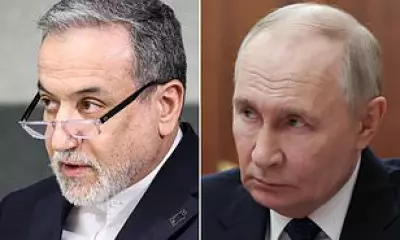
Trump and Netanyahu Forge Renewed Alliance on Iran Policy
The political landscape of the Middle East is undergoing a significant shift as former US President Donald Trump and Israeli Prime Minister Benjamin Netanyahu rekindle their strategic partnership. This renewed collaboration is primarily centered on a coordinated approach towards Iran, raising questions about the future of regional stability and international diplomacy.
Historical Context of the Trump-Netanyahu Relationship
During Trump's presidency from 2017 to 2021, the US-Israel relationship saw unprecedented alignment, marked by policies such as the withdrawal from the Iran nuclear deal and the relocation of the US embassy to Jerusalem. Netanyahu, a long-time ally, leveraged this support to advance Israel's security interests, particularly regarding Iran's nuclear ambitions. Their partnership was characterized by mutual political benefits and a shared hawkish stance on Middle Eastern affairs.
Current Developments and Strategic Coordination
Recent reports indicate that Trump and Netanyahu are actively discussing a joint strategy to counter Iran's influence in the region. This includes potential measures such as increased sanctions, military posturing, and diplomatic isolation of Tehran. The coordination appears to be driven by a common goal of preventing Iran from acquiring nuclear capabilities and curbing its support for proxy groups across the Middle East.

Key aspects of their strategy include:
- Enhanced intelligence sharing between US and Israeli agencies to monitor Iran's activities.
- Advocacy for a tougher international stance, potentially through the United Nations or bilateral agreements.
- Exploration of covert operations aimed at destabilizing Iran's nuclear program.
Implications for Regional and Global Stability
The Trump-Netanyahu alliance has profound implications for the Middle East. On one hand, it could strengthen Israel's security posture and deter Iranian aggression. On the other, it risks escalating tensions, potentially leading to increased conflict with Iran and its allies, such as Hezbollah in Lebanon and Houthi rebels in Yemen. Globally, this partnership may strain relations with European allies who favor diplomatic engagement with Iran, and it could influence US foreign policy in future administrations.
What's Next: Scenarios and Predictions
Looking ahead, several scenarios could unfold. If Trump returns to power in a future US election, a formalized US-Israel pact against Iran might emerge, possibly including military options. Alternatively, if diplomatic efforts gain traction internationally, the Trump-Netanyahu strategy could face opposition, leading to isolated actions. The situation remains fluid, with factors such as Iran's internal politics, economic pressures, and regional alliances playing critical roles.
In conclusion, the renewed alliance between Trump and Netanyahu represents a pivotal development in US-Israel relations, with far-reaching consequences for Iran and the broader Middle East. As both leaders navigate their political futures, their coordinated approach will likely shape regional dynamics for years to come, underscoring the need for careful analysis and proactive diplomacy to mitigate risks of escalation.