US President Donald Trump has requested a delay of approximately one month to his planned visit to Beijing, citing the ongoing Iran war. The summit with Chinese President Xi Jinping was originally scheduled for late March, but Trump told reporters on Monday that he feels he must remain in the United States due to the conflict. 'Because of the war I want to be here, I have to be here, I feel. And so we've requested that we delay it a month or so,' he said.
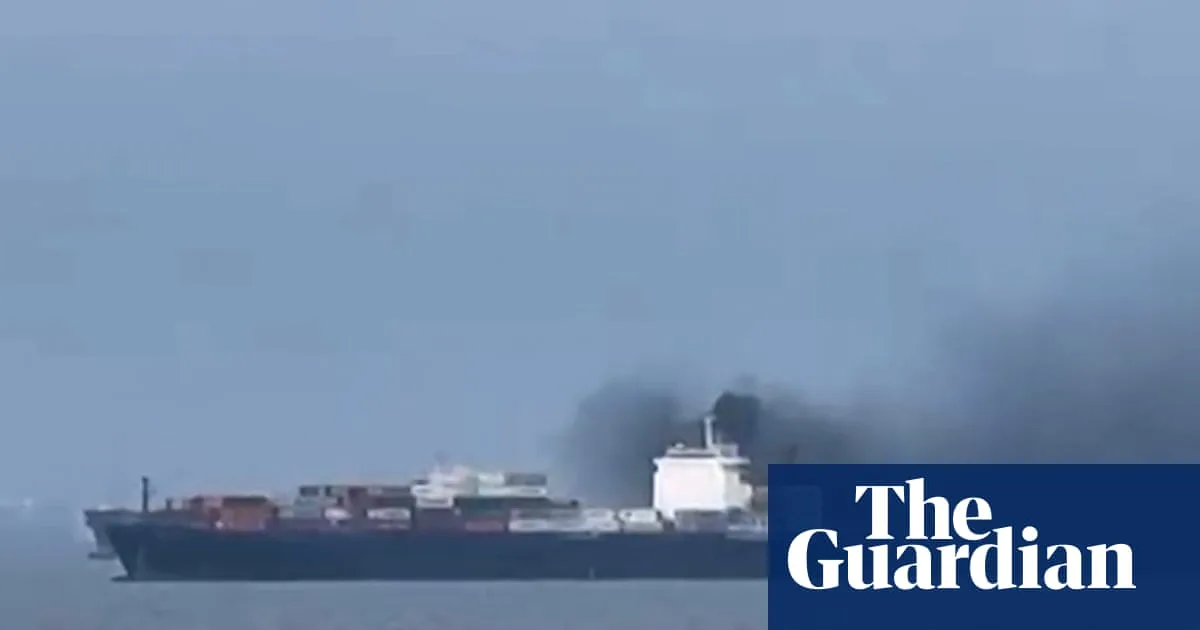
The delay request follows Trump's earlier suggestion that the trip could be postponed if China does not assist in securing the Strait of Hormuz, a vital waterway disrupted by the US-Israeli war with Iran. Trump has called on Beijing to help ensure safe passage through the strait, through which China imports about 50% of its crude oil. 'It's only appropriate that people who are the beneficiaries of the strait will help to make sure that nothing bad happens there,' he told the Financial Times.
China has declined to directly address Trump's requests for naval assistance. Foreign ministry spokesperson Lin Jian called for a ceasefire in Iran to 'prevent further escalation of tensions' and said Beijing is 'maintaining communication with all parties' to promote de-escalation. Meanwhile, reports indicate China is in talks with Iran about allowing oil tankers to pass, but no agreement has been reached.
The White House has indicated the delay is likely. Press secretary Karoline Leavitt said it is 'quite possible' the meeting will be postponed, while Treasury Secretary Scott Bessent emphasised that any delay would not be due to Trump demanding China police the strait. The summit is seen as crucial for stabilising relations between the world's two largest economies, following a temporary trade war truce agreed in October.
Trade talks between Bessent and Chinese Vice-Premier He Lifeng are concluding in Paris, with reports suggesting discussions on agricultural and mineral trade have been 'remarkably stable' despite global tensions. China has not officially commented on whether the Iran conflict could undermine the summit, but state-linked commentators have suggested the meeting may be in question.