Trump's Beijing Summit Faces Postponement Amid Escalating US-Iran Conflict
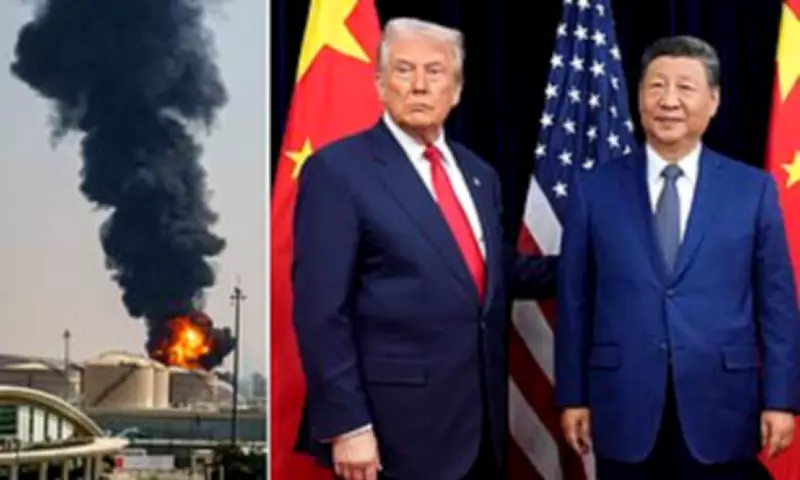
President Donald Trump's highly anticipated three-day visit to Beijing, scheduled from March 31 to April 2, may be delayed indefinitely as the United States' military engagement with Iran intensifies. The potential postponement casts uncertainty over what would have been Trump's second meeting with Chinese President Xi Jinping within six months, highlighting how geopolitical crises can disrupt diplomatic calendars.
Hormuz Strait Security Becomes Global Priority
In a revealing interview with the Financial Times, Trump acknowledged he "may delay" his China trip while simultaneously calling upon China, France, Japan, South Korea, the United Kingdom, and other affected nations to contribute naval assets to protect commercial oil tankers navigating the strategically vital Strait of Hormuz. This narrow maritime passage, measuring just 24 miles at its narrowest point, facilitates approximately 20 percent of global oil shipments, making it an economic artery vulnerable to regional instability.
The President articulated his position clearly on social media: "Hopefully China, France, Japan, South Korea, the UK, and others, that are affected by this artificial constraint, will send Ships to the area so that the Hormuz Strait will no longer be a threat by a Nation that has been totally decapitated." This statement references Iran's leadership crisis following the February 28 strike that killed Ayatollah Ali Khamenei.

Chinese Response Remains Ambiguous
Chinese Foreign Ministry spokesman Lin Jian notably avoided committing to any naval deployment during a Monday briefing, maintaining Beijing's characteristic diplomatic caution. When pressed about potential Chinese vessels patrolling the Hormuz waterway or details regarding Trump's upcoming visit, Lin offered no substantive clarification, leaving both matters shrouded in uncertainty.
Administration Officials Signal Flexibility
White House Press Secretary Karoline Leavitt confirmed the trip's tentative status, stating: "I know President Xi was very excited to welcome President Trump to Beijing, and I know President Trump looks forward to this trip. It's really just a matter of the timing." She emphasized that as Commander-in-Chief, Trump's primary focus remains "Operation Epic Fury," the ongoing military campaign against Iran.
Treasury Secretary Scott Bessent echoed this sentiment during a CNBC appearance, suggesting logistical considerations might necessitate rescheduling. "The President wants to remain in DC to coordinate the war effort, and that traveling abroad at a time like this may not be optimal," Bessent explained, underscoring the administration's prioritization of wartime management over international diplomacy.
Oil Price Surge and Military Escalation
The geopolitical turmoil has triggered significant economic consequences, with Brent crude oil prices skyrocketing over 40 percent since late February. The average price for a gallon of regular gasoline in the United States has climbed from $2.93 to $3.72, according to AAA data. Trump has defended this increase as "a very small price to pay for USA safety and peace," framing it as a temporary sacrifice for long-term strategic gains against Iran.
Military tensions reached new heights when Trump authorized a massive bombing raid on Iran's Kharg Island, a critical hub for the nation's oil exports. While the President claimed to have spared oil infrastructure "for reasons of decency," he issued a stark warning: "However, should Iran, or anyone else, do anything to interfere with the Free and Safe Passage of Ships through the Strait of Hormuz, I will immediately reconsider this decision."
Regional Retaliation and Broader Implications
Iran responded with threats against US-linked energy assets and reportedly struck oil facilities in the United Arab Emirates on Saturday, demonstrating the conflict's expanding regional footprint. The administration expresses concern about escorting tankers through the Hormuz Strait, where US Naval vessels would be vulnerable to Iranian drones and missiles, yet officials maintain that escort operations will commence "soon."

As the situation evolves, the potential postponement of Trump's Beijing visit symbolizes how rapidly unfolding military crises can reshape international diplomacy, while the global community watches anxiously as oil markets and geopolitical alliances face unprecedented strain.