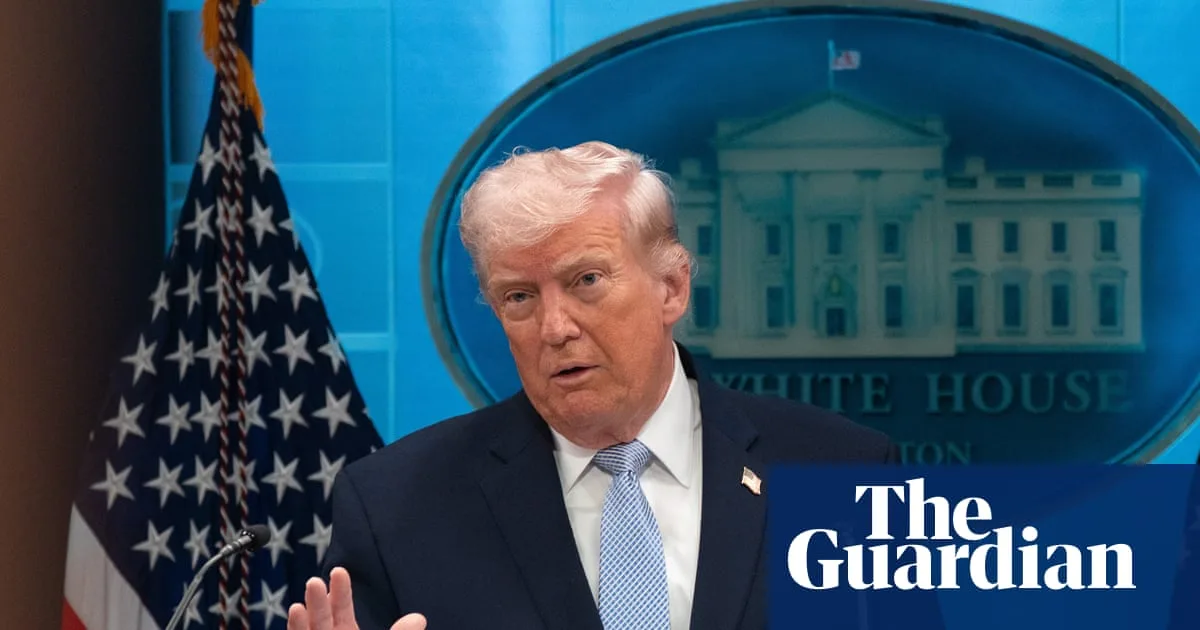
The United States and Iran have agreed to a two-week conditional ceasefire, including the temporary reopening of the Strait of Hormuz, following a last-minute diplomatic intervention by Pakistan. The deal, announced by US President Donald Trump on Tuesday evening, came less than two hours before his self-imposed deadline to bomb Iranian infrastructure, which had been widely condemned as a potential war crime.
Trump had earlier threatened on Truth Social that 'a whole civilization will die tonight,' and American B-52 bombers were reportedly en route to Iran before the agreement. However, the ceasefire was mediated by Pakistani Prime Minister Shehbaz Sharif, who requested the two-week pause to allow diplomacy to proceed. Trump stated that the suspension of bombing was conditional on Iran's complete and safe reopening of the Strait of Hormuz.
Iran's Foreign Minister Abbas Araghchi confirmed the agreement, stating that safe passage through the strait would be coordinated with Iran's Armed Forces. The ceasefire is intended to allow negotiations based on a 10-point plan from Iran, which Trump described as a 'workable basis.' However, confusion arose after Iran released two versions of the plan, with a phrase about uranium enrichment included in the Farsi version but missing from the English translation.
Pakistan has invited both nations to talks in Islamabad on Friday. Iran has accepted, but the US has not yet publicly confirmed attendance. Trump suggested that China had persuaded Iran to negotiate, and he indicated that Tehran's enriched uranium would be 'perfectly taken care of,' without providing details. Israeli Prime Minister Benjamin Netanyahu backed the ceasefire but clarified that it does not cover fighting against Hezbollah in Lebanon, contradicting Pakistan's assertion that the deal applies 'everywhere.'
Despite the provisional ceasefire, airstrikes continued in the hours before the deadline, hitting two bridges and a train station in Iran, as well as military infrastructure on Kharg Island. The sudden agreement sparked a relief rally in global markets, with oil prices falling and stocks rising, amid hopes that oil and gas flows through the Strait of Hormuz could resume.