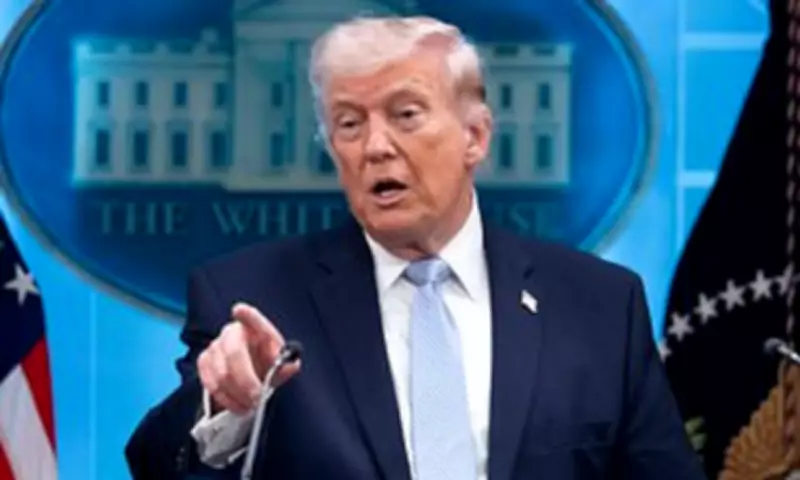
President Donald Trump has publicly stated that the United States is currently engaged in what he described as 'heated negotiations' with Iran. This development comes as both nations review a proposed two-week ceasefire plan, which could potentially de-escalate rising tensions in the region.
Mediation Efforts and Imminent Deadline
The President revealed that he has been briefed on a proposal put forward by Pakistan, which is actively mediating talks between the US and Iranian officials. This diplomatic initiative is unfolding against the backdrop of a critical US deadline, set to expire at 8pm Eastern Time on Tuesday. The urgency of the situation underscores the high stakes involved in these negotiations.
Trump's Stance on Potential Military Action
In a firm declaration, President Trump has vowed to authorise strikes against Iran's civilian infrastructure, including key energy sites, unless the strategically vital Strait of Hormuz is reopened for international shipping. This waterway is a crucial conduit for global oil supplies, and its closure has significant implications for energy markets and geopolitical stability.

When pressed for details on the drafted ceasefire plan during an interview with Fox News, President Trump declined to comment, stating emphatically: 'I can't comment, because right now we're in heated negotiations.' This reticence highlights the sensitive and fluid nature of the ongoing diplomatic discussions.
Iran's Response to the Ceasefire Proposal
According to a report from Reuters, a senior Iranian official has indicated that Tehran is positively considering Pakistan's request for a two-week ceasefire. This suggests a potential openness from the Iranian side to engage in dialogue and explore avenues for temporary de-escalation, which could pave the way for more substantive talks in the future.
The involvement of Pakistan as a mediator adds an interesting dimension to the negotiations, reflecting broader regional diplomatic efforts to address the conflict. As the deadline approaches, the international community is closely monitoring these developments, aware that the outcome could have far-reaching consequences for Middle Eastern politics and global security.