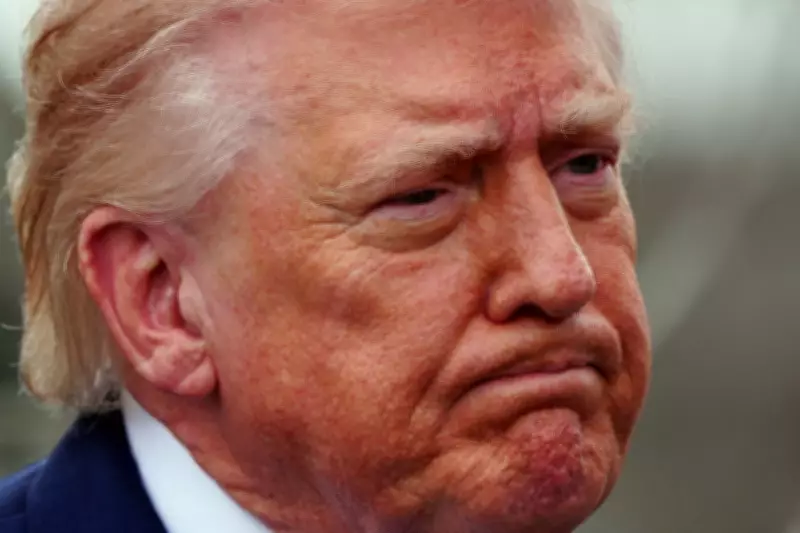
In a dramatic escalation of Middle East tensions, US President Donald Trump has issued a stark 48-hour ultimatum to Iran, demanding the immediate reopening of the strategically vital Strait of Hormuz to international shipping. The American leader, accompanied by Secretary of State Marco Rubio, delivered the warning directly to reporters, threatening catastrophic consequences for Iranian energy infrastructure if Tehran fails to comply.
Trump's Direct Threat to Iranian Power Plants
Through his Truth Social platform, President Trump declared that the United States would "hit and obliterate" Iranian power plants, explicitly stating the campaign would begin with "the biggest one first." The deadline for compliance was set for 23:44 GMT on Monday, giving Iranian authorities less than two days to reverse their restrictions on the crucial maritime passageway.
This aggressive posture represents a significant shift from just one day earlier, when Trump suggested he was considering winding down military operations after three weeks of regional conflict. The ultimatum coincides with the deployment of thousands of additional US Marines to the Middle East theater, signaling a potential major escalation in hostilities.

Iranian Response and Regional Fallout
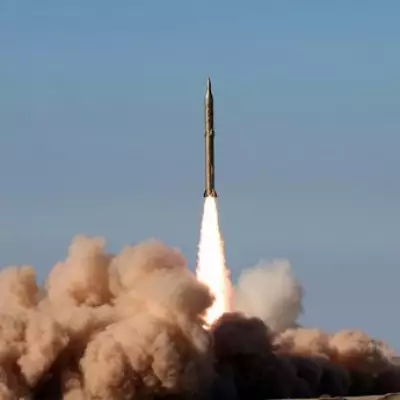
Iranian Foreign Minister Abbas Araghchi responded by asserting that Tehran had only imposed restrictions on vessels from countries involved in attacks against Iran, promising assistance to neutral parties. However, the Iranian military delivered a more confrontational message through the Fars news agency, vowing to target energy and desalination infrastructure belonging to the United States and allied regional governments.
The standoff intensified following two devastating Iranian missile strikes on southern Israel that injured more than 100 people. Israeli Prime Minister Benjamin Netanyahu pledged retaliation "on all fronts" after missiles penetrated Israel's defense systems, damaging residential buildings in Arad and creating massive craters in Dimona.
Nuclear Dimensions and International Concerns
The targeting of Dimona carries particular significance as the location is widely believed to host the Middle East's only nuclear arsenal, though Israel maintains official ambiguity about its nuclear capabilities. Iranian authorities claimed the Dimona strike represented retaliation for Israeli attacks on the Natanz nuclear facility, which houses underground centrifuges for uranium enrichment.
United Nations nuclear watchdog chief Rafael Grossi issued renewed calls for military restraint to prevent potential nuclear accidents, highlighting the dangerous proximity of conflict to sensitive atomic infrastructure. Meanwhile, the Israeli military denied responsibility for the Natanz strike while acknowledging attacks on a Tehran university facility allegedly involved in nuclear weapons development.
Global Economic Implications
The effective closure of the Strait of Hormuz has triggered severe economic repercussions, with the vital waterway normally facilitating approximately one-fifth of global crude oil trade. North Sea Brent crude prices have surged beyond $105 per barrel as markets react to the supply disruption, raising acute concerns about long-term consequences for the worldwide economy.
A coalition of nations including the United Kingdom, France, Italy, Germany, South Korea, Australia, the United Arab Emirates, and Bahrain jointly condemned what they termed the "de facto closure" of the strait by Iranian forces. These governments expressed willingness to contribute to efforts ensuring safe maritime passage through the contested waters.
International Military Considerations
President Trump has criticized NATO allies as "cowards" while urging collective action to secure the strait. In a notable development, Japan indicated potential willingness to deploy military assets for minesweeping operations in the Hormuz region if a ceasefire materializes.

Japanese Foreign Minister Toshimitsu Motegi characterized the possibility as hypothetical but acknowledged that "if a ceasefire were established and naval mines were creating an obstacle, then I think that would be something to consider." This represents a significant statement from a nation constrained by postwar pacifist constitutional provisions, though 2015 security legislation permits overseas military action under specific threat scenarios.
Japan's particular vulnerability stems from approximately 90% of its oil shipments normally transiting the Strait of Hormuz, highlighting the global economic stakes as Tehran maintains restrictions during the fourth week of regional conflict. The United Arab Emirates separately reported facing aerial attacks after Iran warned against allowing strikes from Emirati territory on disputed islands near the strategic waterway.