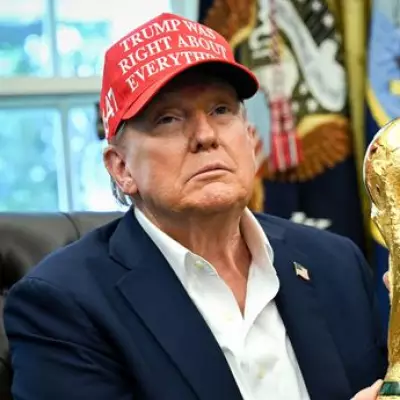
Former US President Donald Trump has intensified his criticism of key allies, including the United Kingdom, over their perceived reluctance to commit naval resources to secure the strategically vital Strait of Hormuz. In a provocative social media post, Trump suggested that the United States might withdraw from defending the waterway, forcing dependent nations to take responsibility.
Trump's Social Media Challenge to Allies
On his Truth Social platform, Trump posted: "I wonder what would happen if we 'finished off' what's left of the Iranian Terror State, and let the Countries that use it, we don't, be responsible for the so called 'Straight?' That would get some of our non-responsive 'Allies' in gear, and fast!!!" This remark directly targets nations like Britain that have not yet deployed warships in response to his repeated requests for support.
Sir Keir Starmer's Cautious Stance
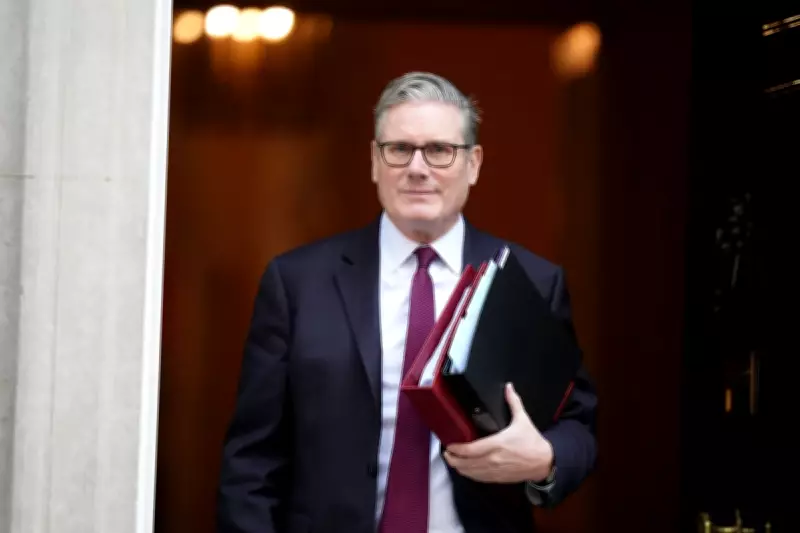
Prime Minister Sir Keir Starmer has firmly defended the UK's position, emphasising during Prime Minister's Questions that he will not allow British forces to be drawn into a broader conflict. "I want to see this war end as quickly as possible," Starmer stated. "The longer it continues, the bigger the impact on the cost of living. And that's why we intervened to support households with costs of heating oil."

Starmer advocated for a diplomatic resolution, asserting that "the best way forward is a negotiated settlement with Iran giving up any aspirations to develop a nuclear weapon." Despite Trump's demands, the UK has resisted sending Royal Navy vessels to the strait, though it maintains unmanned minehunting drones in Bahrain and has deployed air defence destroyer HMS Dragon to assist Cyprus, which recently left Gibraltar.
Regional Escalation and Global Implications
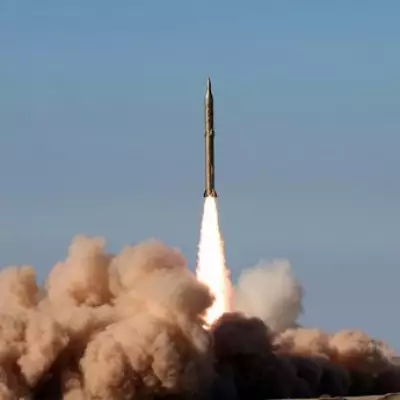
The Strait of Hormuz, a critical chokepoint for global oil and gas shipments, has been largely closed by Iran, with commercial vessels facing attacks in the area. This crisis has escalated amid broader Middle Eastern tensions, including Israel's claim of killing Iranian intelligence minister Esmail Khatib and reported deaths of other Iranian officials.
Further complicating matters, Iran launched attacks on Saudi Arabia's oil-rich eastern province and targets in Kuwait, Bahrain, Qatar, and the United Arab Emirates. These developments underscore the volatile security situation and the high stakes involved in maintaining maritime security in the region.
Strategic and Economic Consequences
The ongoing conflict poses significant risks to global energy supplies and economic stability. Starmer highlighted the direct link between prolonged hostilities and rising living costs, justifying the UK's focus on domestic support measures. Meanwhile, Trump's comments reflect a growing frustration with allied contributions to collective defence efforts, potentially signalling a shift in US foreign policy priorities under his influence.
As diplomatic and military manoeuvres continue, the international community watches closely, balancing the need for security in vital shipping lanes against the risks of escalating into a wider war. The UK's cautious approach, juxtaposed with Trump's assertive rhetoric, highlights the complex dynamics at play in this high-stakes geopolitical standoff.