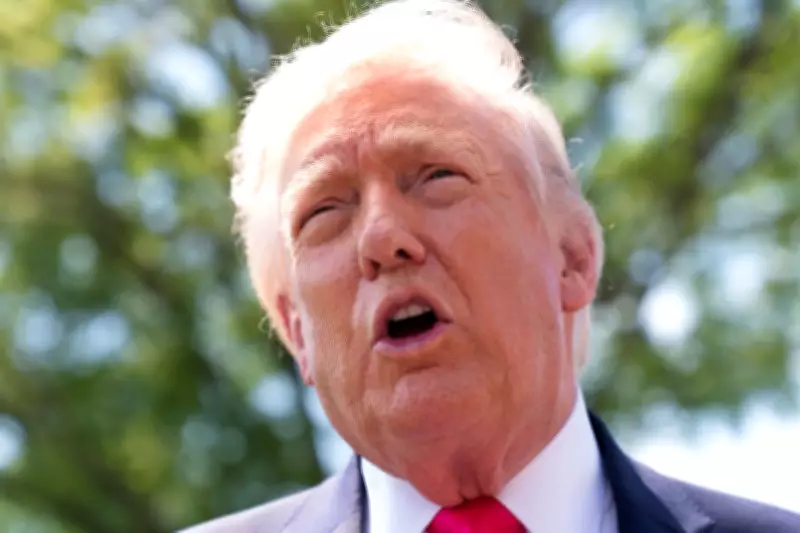
In a sharp escalation of diplomatic tensions, former U.S. President Donald Trump has lashed out at Australia for its refusal to support American military efforts in the Strait of Hormuz. This criticism comes amid ongoing conflict with Iran, with Trump actively working to broker a peace deal to end the hostilities.
Trump's Displeasure with Australian Allies
During a recent public address, Trump expressed clear dissatisfaction with Australia's stance. "I am not happy with Australia because they were not there when we asked them to be there," he stated, responding to queries about Australia's plan to increase defense spending to 3% of GDP by 2033. This remark underscores a broader pattern of Trump targeting U.S. allies verbally since the onset of the Iran war.
Pattern of Verbal Attacks on Allies
Trump's criticism of Australia follows similar rebukes directed at other close allies. Earlier this week, he turned against Italian Prime Minister Giorgia Meloni, expressing disappointment in her leadership. "I'm shocked by her. I thought she had courage. I was wrong," he commented, highlighting a trend of strained international relations under his administration's current foreign policy approach.

Efforts to Resolve the Iran Conflict
Amidst these diplomatic spats, Trump is focused on reopening the Strait of Hormuz and negotiating a peace agreement with Iran. A second round of talks is anticipated to occur as early as this weekend, aiming to de-escalate the war that has drawn global concern. This push for peace contrasts with his aggressive rhetoric towards allies, creating a complex geopolitical landscape.
Broader Implications for Global Diplomacy
The situation raises questions about the stability of U.S. alliances and the effectiveness of Trump's negotiation tactics. As tensions persist, the international community watches closely, with outcomes potentially influencing future defense collaborations and peace efforts in the region.