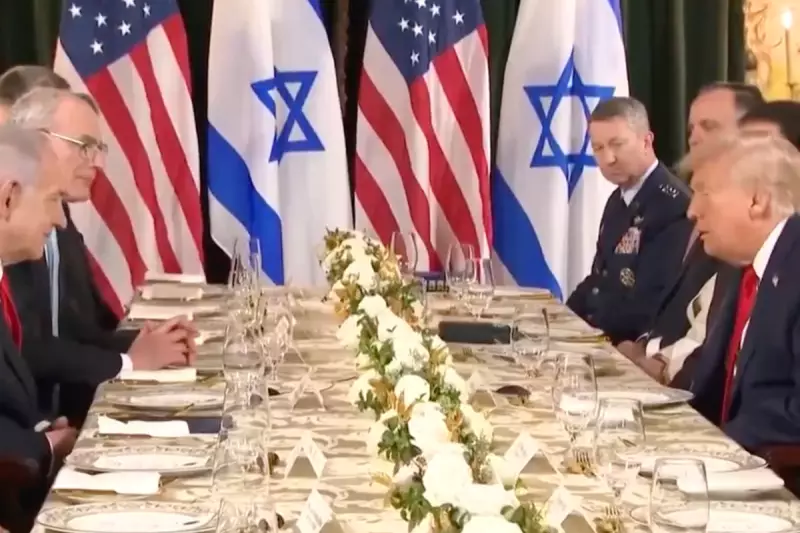
In a private moment that became public, former US President Donald Trump was recorded expressing his frustration at never receiving a Nobel Peace Prize. The incident occurred during a high-stakes meeting with Israeli Prime Minister Benjamin Netanyahu, where the pair were discussing a proposed ceasefire plan for Gaza.
A Candid Moment Captured
The comments, picked up by a live microphone on Tuesday 30 December 2025, revealed Trump's apparent irritation at what he perceives as a lack of recognition for his diplomatic efforts. He was heard boasting about his role in ending multiple international conflicts, specifically citing interventions between India and Pakistan.
Trump claimed credit for halting eight conflicts during his tenure, suggesting his actions were routinely overlooked by the institutions that confer such honours. His remarks were cut off mid-sentence as he began to directly address the topic of the prestigious Nobel award.

Context of the Conversation
The sensitive discussion took place against the backdrop of ongoing efforts to broker a pause in hostilities in Gaza. The presence of Prime Minister Netanyahu underscores the geopolitical weight of the meeting, making Trump's tangential complaint about personal accolades particularly striking.
Such 'hot mic' incidents are not uncommon in politics, but they rarely involve a figure of Trump's stature discussing one of the world's most coveted peace awards during talks on an active war zone. The recording provides a rare, unfiltered glimpse into the former president's preoccupations during official diplomacy.
Reactions and Implications
While the immediate policy focus of the meeting was the Gaza ceasefire plan, this leaked audio shifts public attention to questions of motive and legacy. Analysts may question whether a desire for personal recognition influences diplomatic priorities.
The episode is likely to fuel ongoing debates about Trump's foreign policy legacy and his relationship with global institutions. It also highlights the ever-present risk in modern politics that private grievances can suddenly become public, potentially altering the perception of critical diplomatic engagements.