Trump Lambasts NATO as 'Cowards' Over Strait of Hormuz Standoff
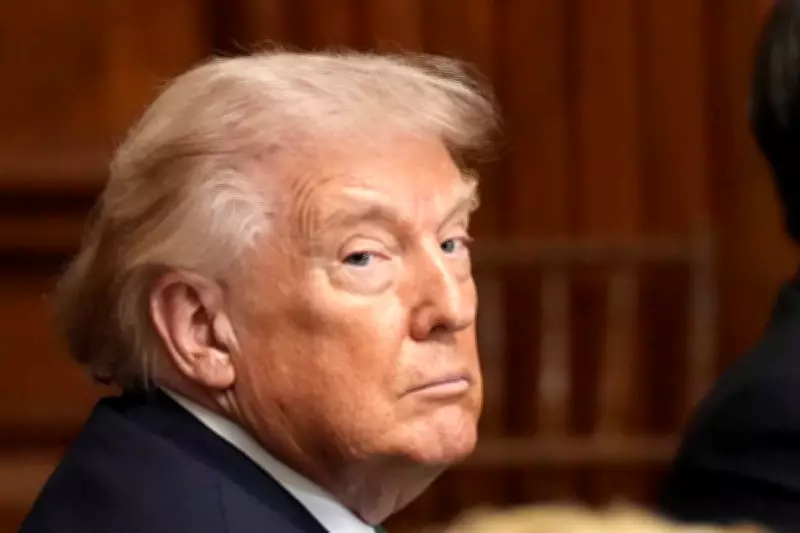
Former United States President Donald Trump has launched a scathing attack on NATO allies, branding them "cowards" for their refusal to commit warships to help reopen the strategically vital Strait of Hormuz. In a fiery post on his Truth Social platform, Mr Trump asserted that the military operation would be a "simple" task with "little risk," directly criticising nations including the United Kingdom for their perceived lack of support.
'Paper Tiger' Alliance Without US Backing
Mr Trump escalated his rhetoric by describing NATO as a "paper tiger" that lacks substance without American involvement. He wrote: "They didn't want to join the fight to stop a Nuclear Powered Iran. Now that fight is Militarily WON, with very little danger for them, they complain about the high oil prices they are forced to pay, but don't want to help open the Strait of Hormuz, a simple military maneuver that is the single reason for the high oil prices."
He concluded with a stark warning: "So easy for them to do, with so little risk. COWARDS, and we will REMEMBER!" This outburst comes amid heightened tensions in the region, where the strait has been effectively closed due to threats of Iranian attacks following US-Israeli bombing campaigns.

UK and NATO Caution Amid High-Risk Environment
British military planners have been collaborating with US Central Command to explore options for safely escorting oil and gas tankers through the perilous waterway. However, defence sources have emphasised the extreme dangers involved, noting that few nations are willing to position warships "in the middle of that threat right now." The rationale behind Mr Trump's claim of minimal risk remains unclear to military analysts and officials.
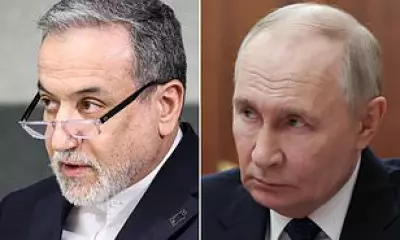
Meanwhile, Tehran has accused the United Kingdom of "participation in aggression" for allowing US forces to utilise British military bases. Iranian Foreign Minister Abbas Araghchi delivered this message during a telephone conversation with UK Foreign Secretary Yvette Cooper, who defended British operations as a direct response to Iranian strikes on Gulf nations.
Diplomatic Exchanges and Defence Postures
In a detailed readout of the call, the Foreign Office stated that Ms Cooper condemned Iran's "reckless attacks" on Gulf partners and critical energy infrastructure, alongside the disruption and closure of the Strait of Hormuz. She called for the immediate restoration of freedom of navigation and reiterated demands for Iran to halt assaults on civilian infrastructure, including oil and gas installations.
"The Foreign Secretary made clear to the foreign minister that the defensive UK operations in the region were a response to the Iranian aggression against Gulf partner countries who had not attacked Iran and she called on Iran to immediately stop these reckless strikes against its neighbours," the statement read.
Ms Cooper also issued a firm warning against targeting UK bases, territory, or interests, reaffirming Britain's commitment to regional stability and security. This diplomatic stance aligns with the UK's authorisation for the US to conduct "defensive" actions from RAF Fairford in Gloucestershire and Diego Garcia in the Indian Ocean against Iranian missile sites.
UK Government Defends Measured Approach
Downing Street has defended its position, asserting that the UK is "not getting drawn into the wider war." A Prime Ministerial spokesman explained: "We have authorised the US to use our bases for a specific defensive and limited purpose in response to Iran's continued and outrageous aggression, and we've always said that this is the best way to eliminate the urgent threat and restore a path to diplomacy."
Housing Secretary Steve Reed echoed this sentiment, praising the Prime Minister for a "very measured" approach. "He took the decision, quite rightly, not to involve the United Kingdom in the initial attacks against Iran, but it is quite right that the UK should defend British nationals," Mr Reed stated.
As tensions simmer, the international community watches closely, with Mr Trump's comments adding fuel to an already volatile situation centred on one of the world's most crucial maritime chokepoints for global energy supplies.