Trump Reverses Position on British Military After Royal Intervention
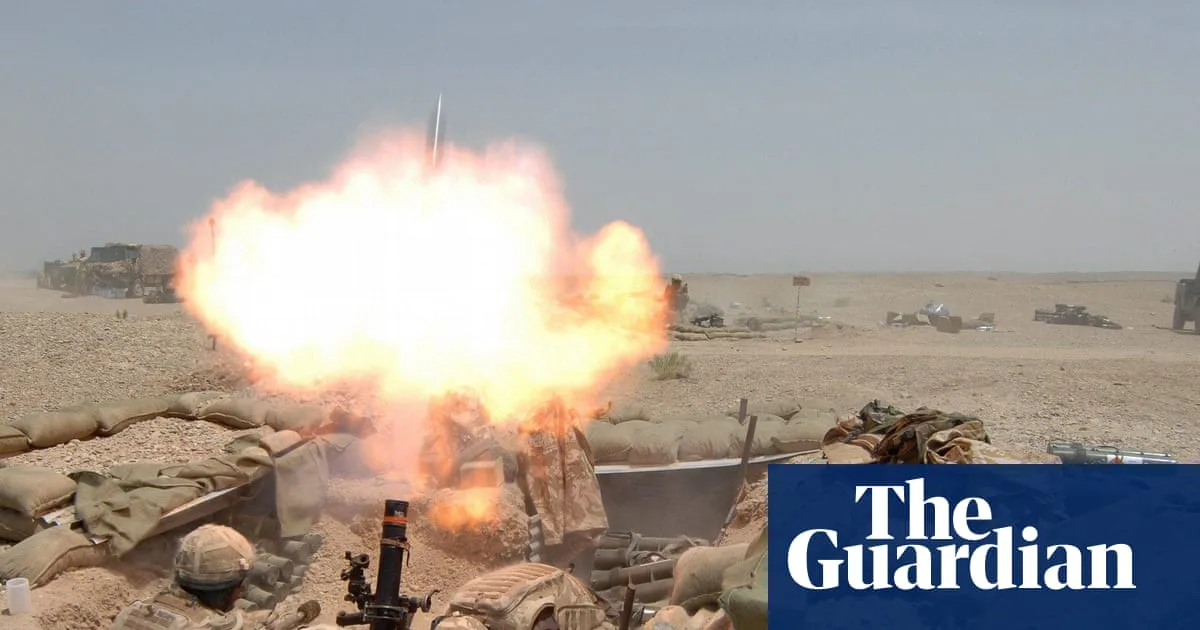
Donald Trump has performed a dramatic U-turn on his controversial claims about British troops avoiding frontline action in Afghanistan, following what sources describe as direct intervention from King Charles III. The American President faced widespread condemnation after suggesting earlier this week that UK service personnel had "stayed a little back, a little off the front lines" during the conflict.
Royal Concerns Prompt Presidential Reversal
According to reports emerging from royal circles, King Charles - who serves as Commander-in-Chief of the British Armed Forces - expressed significant concerns about the impact of Trump's remarks. A source close to the matter revealed that the monarch's unease was communicated to the President before his subsequent reversal.
"It was made very clear that the King's concern over the hurt had been caused by the comments whether inadvertent or not," the source stated. This royal intervention appears to have prompted Trump's complete about-face, with the President now praising British military personnel in glowing terms.
In his revised statement, Trump declared: "The GREAT and very BRAVE soldiers of the United Kingdom will always be with the United States of America! In Afghanistan, 457 died, many were badly injured, and they were among the greatest of all warriors."
Political Fallout and State Visit Controversy
The initial comments triggered immediate political backlash across the British spectrum. Prime Minister Sir Keir Starmer led the condemnation, describing Trump's remarks as "insulting and frankly appalling" and suggesting the President should issue a formal apology.
Conservative leader Kemi Badenoch expressed relief at Trump's reversal, stating she was "pleased" the President had "now acknowledged the role of the British armed forces and those brave men and women who gave their lives fighting alongside the US and our allies." However, she added pointedly: "It should never have been questioned in the first place."
The controversy has placed the King's planned state visit to the United States in April under intense scrutiny. This would mark the first visit to America by a reigning British monarch since Queen Elizabeth II's trip in 2007.
Growing Calls for Visit Cancellation
Pressure is mounting from multiple political quarters for the government to reconsider the royal visit. Conservative MP Simon Hoare voiced serious concerns, stating: "HM is also head of the armed forces. We have seen Trump seek to annex Canada, undermine NATO and offend those who served in Afghanistan. In all conscience I cannot see how the Government could advise for the State Visit to go ahead."
Liberal Democrat Foreign Affairs Spokesperson Calum Miller MP was equally forceful, telling media outlets: "It is a disgrace to see Donald Trump insult our brave veterans and the memory of British soldiers who lost their lives in Afghanistan. By attacking the best of us, he has shown himself to be unreliable and ignorant."
Even former BBC newsreader Simon McCoy has established a petition calling for the visit's cancellation, reflecting broader public sentiment about maintaining diplomatic decorum.
Military Community Reaction
The military community responded with particular vehemence to Trump's original comments. Doug Beattie, a former Army captain awarded the Military Cross for service in Afghanistan, stated emphatically: "I will not allow anybody to trample over the memory of those men and women who I served alongside, who gave so much."
Prince Harry, who served two tours in Afghanistan during his military career, added his voice to the criticism, saying: "I served there. I made lifelong friends there. And I lost friends there. Thousands of lives were changed for ever. Those sacrifices deserve to be spoken about truthfully and with respect."
Diplomatic Balancing Act
Despite the outrage, some commentators urge caution regarding the state visit. Royal expert Richard Fitzwilliams warned that cancellation could have serious diplomatic consequences, stating: "It cannot be without enraging Trump and this is something we cannot afford to do."
He added: "Trump shoots from the hip the whole time and aims his actions at his support base in the United States, which would have little interest in the way he has antagonised Britain. We simply cannot afford to."
The government appears to be walking a diplomatic tightrope, with Downing Street hoping the royal visit might encourage Trump to maintain the special relationship between the two nations. However, sources indicate attitudes toward the American President are hardening within government circles, with some advocating for a more assertive British stance similar to that taken by France.
Broader Context of NATO Tensions
This incident occurs against a backdrop of increasing tension within NATO, following Trump's recent comments questioning the alliance's reliability and his controversial proposals regarding Greenland. The President had previously suggested NATO allies might not support America if needed, before backtracking on threats to impose tariffs over the Greenland dispute.
The Afghanistan conflict saw 457 British military deaths, the second highest toll among coalition forces after the United States. Many commentators noted the particular sensitivity of Trump's remarks given his own history of avoiding military service during the Vietnam War era.
As diplomatic discussions continue behind closed doors, the episode has highlighted the fragile nature of international alliances and the complex interplay between royal protocol, political diplomacy, and military respect in maintaining crucial international relationships.