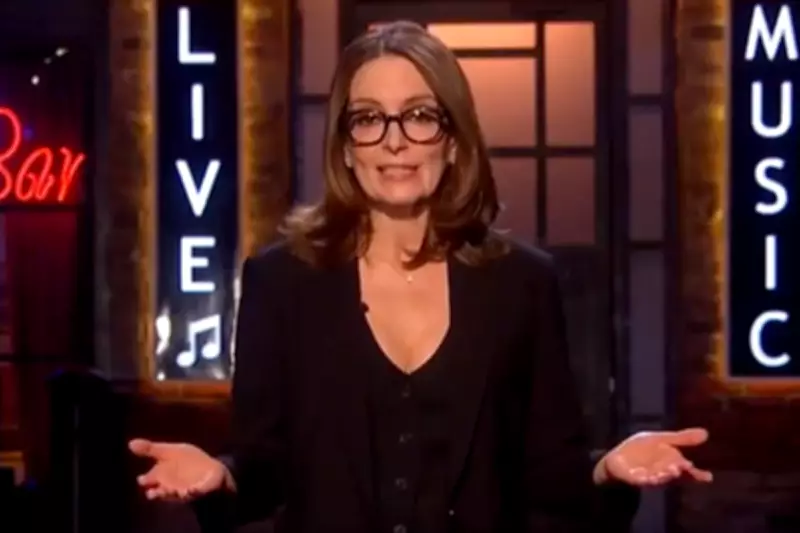
Tina Fey has candidly discussed her time on Saturday Night Live, revealing that she now views some of her past jokes as having been "on the wrong side" of comedy. In a recent interview, the acclaimed comedian and writer reflected on the evolving nature of the long-running sketch show, particularly its handling of sensitive political and social issues over the decades.
Defending the Sarah Palin Impersonation
Despite expressing regrets over certain sketches, Fey staunchly defended her widely discussed impersonation of former Alaska Governor Sarah Palin during the 2008 US presidential election. She described the portrayal as a "fair hit," arguing that it was rooted in observable truths about Palin's public persona and political stance. This iconic sketch, which aired multiple times, became a cultural touchstone and is often credited with influencing public perception during that heated electoral season.
The Evolution of SNL's Political Satire
Fey, who joined the SNL writing team in 1997 and later became head writer, highlighted the show's complex relationship with current events. She specifically mentioned the challenging periods following the September 11 attacks and the anthrax scare, noting how the writers had to navigate a landscape where humour felt both necessary and precarious. According to Fey, effective political sketches must be "based in something that was true" to resonate with audiences and achieve genuine comedic impact.

She elaborated that when jokes lack a foundation in reality, they fail to land with viewers and can come across as mean-spirited or irrelevant. This principle, she suggested, has guided her approach to satire throughout her career, ensuring that comedy serves as a mirror to society rather than a distortion.
Rejecting Claims of Political Influence
Fey firmly rejected the notion that Saturday Night Live aims to sway political outcomes or voter behaviour. She emphasised that the show's primary goal is entertainment, with humour derived from truthful observations. "If a joke isn't true, it won't be funny," she stated, underscoring that the writers focus on crafting material that reflects public sentiment and factual events rather than pushing a partisan agenda.
Her comments shed light on the delicate balance SNL maintains between comedy and commentary, especially in an era of heightened political polarization. Fey's insights offer a rare glimpse into the creative processes behind one of television's most influential programmes, highlighting how it adapts to changing social norms while staying true to its comedic roots.