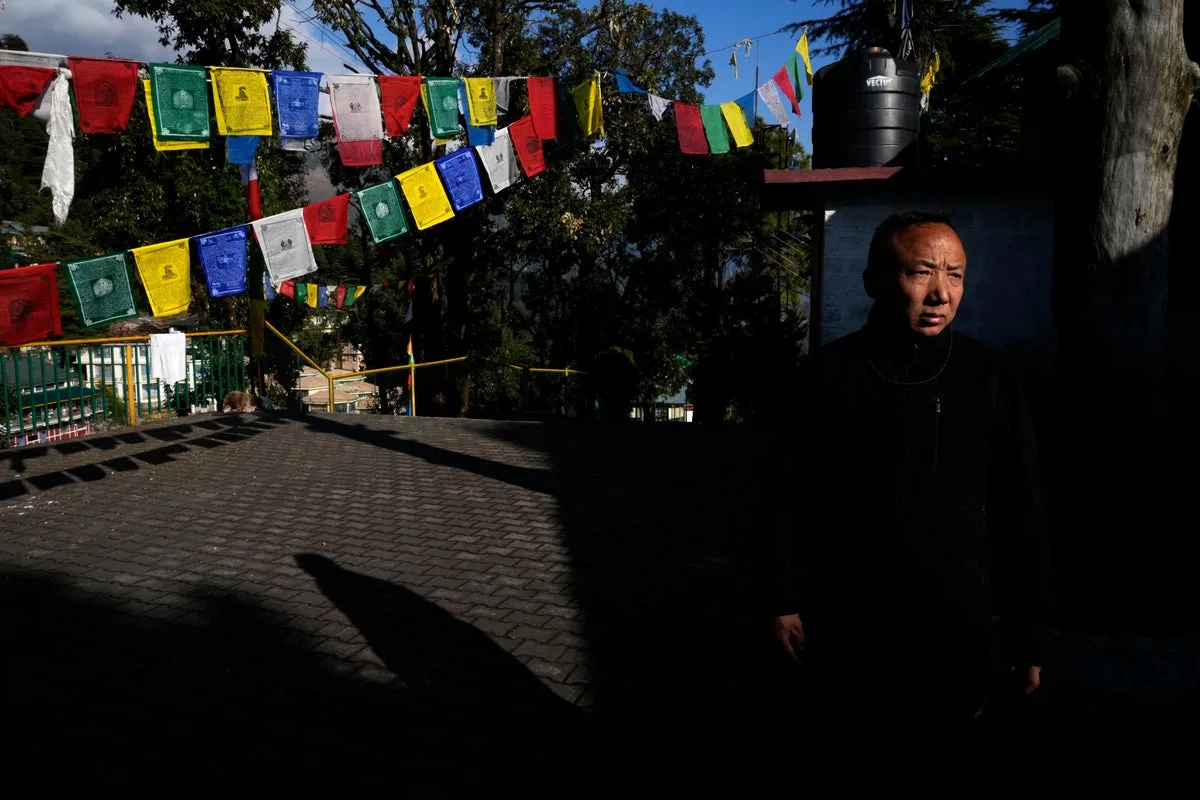
Once a haven for Tibetan exiles, Nepal has transformed under Chinese pressure, with surveillance technology and police crackdowns silencing the Free Tibet movement. Tashi, a Tibetan refugee born in Nepal, spent years protesting outside the Chinese embassy in Kathmandu, but arrests grew longer and crowds thinned. Now 49, he left for India this year so his son could receive an education impossible in Nepal.
An Associated Press investigation found that much of the Chinese surveillance equipment used in Nepal originated from American companies, which built and expanded China's apparatus despite warnings of design theft. Cameras now monitor Tibetan settlements, temples, and private homes, while police preempt protests with questions they should not know to ask.
Sonam, another Tibetan, described a futureless existence under constant watch. "There are cameras everywhere," he said. "There is no future." The number of Tibetans fleeing to Nepal has dropped to single digits last year, according to Tibetan officials, down from thousands annually.
In Washington, D.C., Namkyi, who was imprisoned at 15 for protesting Chinese rule, recounted how silence has become survival for Nepal's dwindling Tibetan community. Her hope, she said, lies in being heard.