
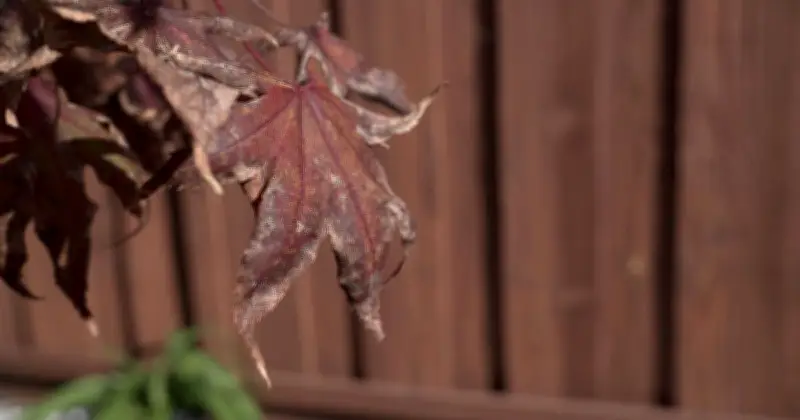
Japanese maples, with their vivid red foliage, are a popular garden plant in the UK but are susceptible to leaf scorch during the summer. The condition causes leaves to turn brown, curl up, and drop prematurely, and in severe cases, can lead to dieback of smaller branches. Once scorched, the leaves will not return until the following year.
Three Causes of Leaf Scorch and How to Fix Them
Gardening expert Michael Griffiths, in a recent TikTok video, explained: "If the leaves on your acer are turning brown and crispy, it's not the end of the world. It's called scorch, but it is fixable. So here are three causes and how to fix them."
Excessive Sunlight
The primary cause is too much direct sunlight. Japanese maples prefer "dappled or partial" shade, according to Griffiths. When exposed to intense heat and direct sun, the leaves can lose their red colour, dry out, and shed entirely. If the plant is in a container, move it to a spot out of direct sunlight.
Dehydration
The second concern is dehydration. Griffiths said: "Acers like moist but well-drained soil. They don't like sitting in the wet, but they hate drying out even more. Potted acers especially can dry out in summer, so keep them well watered and never dry."
Wind Exposure
Windy conditions can also cause scorch. Griffiths noted: "A windy or exposed spot can strip the water from the leaves faster than the roots can replace it, and that is scorch too. That's exactly why acers struggle in coastal or exposed gardens, so give it some shelter."
Expert Advice from the Royal Horticultural Society
The Royal Horticultural Society (RHS) advises that Japanese maples flourish in a cool, lightly shaded spot with fertile, well-draining soil, away from direct summer sun. They do particularly well when sheltered beneath taller deciduous trees. The RHS also warns that strong, cold winds can scorch leaves, so wind exposure should be minimised. Positioning the plant near a fence or larger plant offers additional protection.
By addressing these three factors—sunlight, watering, and wind—gardeners can protect their Japanese maples and enjoy their vibrant foliage all summer long.




