
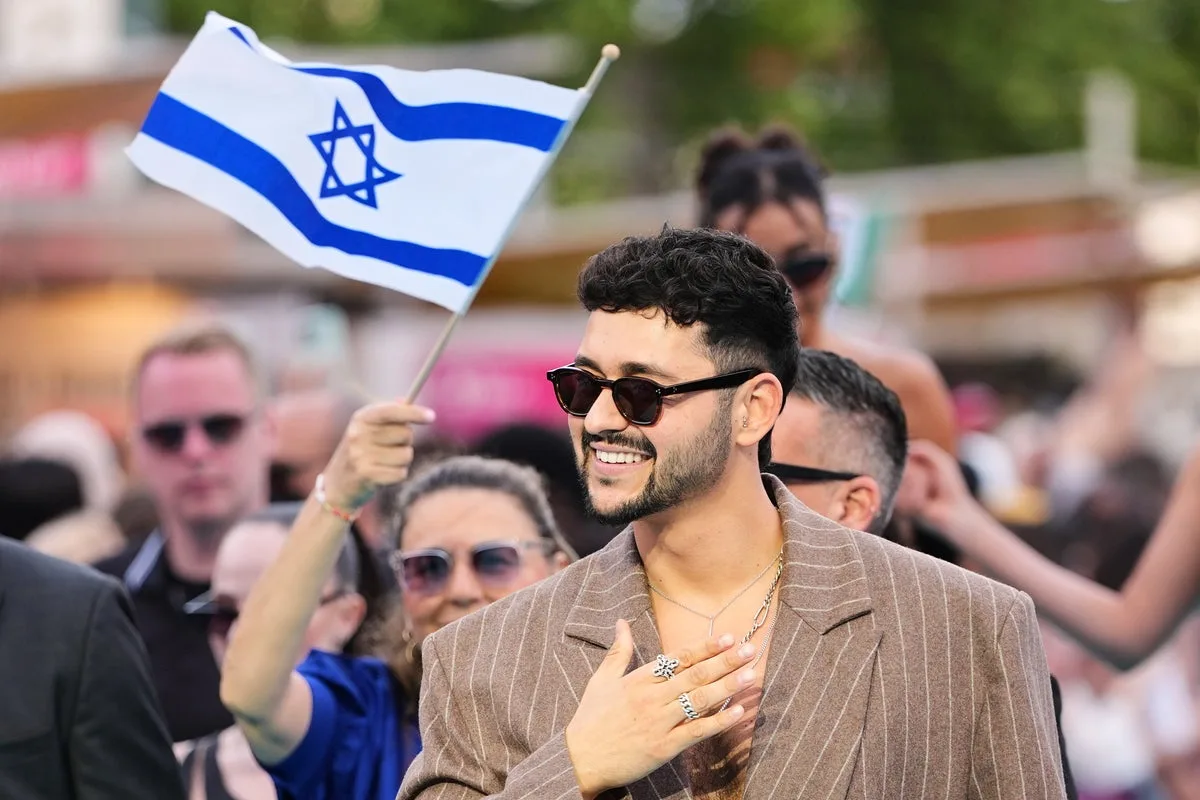
Three countries have withdrawn from the 2026 Eurovision Song Contest in protest at Israel's participation, escalating a controversy that has dogged the competition for three years. Spain, one of the 'Big Five' nations guaranteed a spot in the final, is among those boycotting, alongside other unnamed nations. The European Broadcasting Union (EBU) has faced repeated calls to ban Israel but has allowed it to remain, citing the event's apolitical nature.
Israel's actions in Gaza have been described as genocide by a UN Commission, Amnesty International, and the International Association of Genocide Scholars, a charge Israel denies. José Pablo López, chair of Spanish broadcaster RTVE, said: 'As joint organisers of the Eurovision song contest, we share a collective responsibility. While Israel has regularly participated, the current events and the genocide currently taking place make it impossible for us to look the other way.' He added that the contest carries 'significant political implications' which Israel leverages.
The EBU has not held a vote on Israel's participation for 2026, instead introducing new rules to prevent voting manipulation after claims Israel encouraged ex-pat citizens to use 20 allocated votes in 2025. A 'large majority' of members decided against another vote, with the EBU stating the contest 'should proceed as planned, with the additional safeguards in place'.
On 9 May, Eurovision issued a formal warning to Israel's broadcaster Kan after it shared videos urging fans to 'vote 10 times' for its act, singer Noam Bettan with his song 'Michelle'. Contest director Martin Green said Kan acted immediately to remove the clips, but the call to action breached rules designed to limit third-party campaigns. Kan responded by saying the campaign was not part of a large-scale funded effort.
The controversy highlights tensions within Eurovision, which banned Russia in 2022 after its invasion of Ukraine but only after other nations threatened a boycott. Some observers note that Israeli beauty company Moroccanoil is a major sponsor, while Germany and others had threatened to withdraw if Israel were banned. Israel's broadcaster has been warned but remains in the competition, with the final set for tonight.




