Louis Theroux's Manosphere Documentary Exposes Hollow Reality of Misogynist Influencers
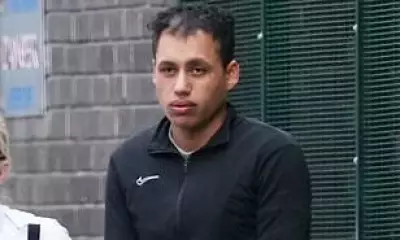
Louis Theroux's new Netflix documentary, Inside the Manosphere, provides a stark glimpse into the hollow reality of online influencers like Harrison Sullivan, known as HSTikkyTokky, whose misogynistic views are sharply questioned by the women around them. The film delves deep into the paradox of these figures, who profit from rage-bait content until faced with personal accountability.
The Paradox of Misogyny on Display
In the documentary, veteran documentarian Louis Theroux explores the world of online hatred, driven by influencers seeking quick money through social media broadcasts targeting women, Jews, and the LGBTQIA+ community. Harrison Sullivan confesses on camera, "I wouldn't say that around my Mum," regarding his self-described misogynistic, homophobic, and racist views. This admission highlights the performative nature of his persona, which falters in the presence of his mother, Elaine.
Harrison, aged 24, reveals that his mother would be disappointed if she knew he would disown a daughter for doing OnlyFans or a son for being gay. Yet, he claims to live for himself, not others—unless his mother asks him to mop up a spill in his Marbella villa, where he complies. This toe-curling insight underscores the disconnect between his online bravado and real-life vulnerabilities.

Background and Legal Issues
Known by his birthname Harrison Sullivan to authorities, HSTikkyTokky was arrested for dangerous driving and driving without insurance. In November 2024, he pleaded guilty and received a 12-month prison sentence, suspended for two years, along with a two-year driving disqualification and 300 hours of unpaid work. This legal trouble adds a layer of recklessness to his public image.
The Manosphere as a Capitalist Endeavour
The documentary positions the Manosphere not just as a cult-like movement, but as a desperate capitalist pyramid scheme. Influencers like Harrison punch down on others to gain traction, evident in a live-streamed assault. In this subculture, women are both commodities and objects of repulsion. Harrison owns an agency managing OnlyFans creators yet expresses disgust for the sex work he profits from, showcasing a hypocritical stance.
Comparisons and Interactions
Louis Theroux draws a sharp comparison between Harrison and extreme sex worker Bonnie Blue. In a viral clip, Harrison denigrates Bonnie, calling her a "dumb blonde" and a "tart," while she retorts that he is "actually boring." Harrison later reflects, "I think she is absolutely repulsive as a person," yet Louis challenges his work ethic as similar to Bonnie's—both making money from rage-bait content.
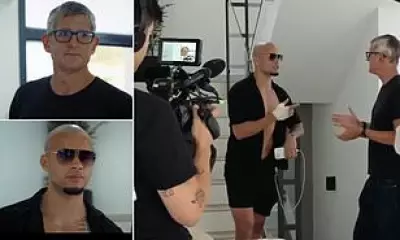
Across the pond, Theroux interviews Myron Gaines, an influencer advocating for one-sided monogamy. Myron claims to know what women want more than they do, but his girlfriend Angie's body language tells a different story. When asked about his desire for many wives, Angie steps away, and Louis notes, "I don't think she is as on board. I saw a little bit of pain in her." Later, it's revealed they are no longer in a relationship, with Angie shown rollerblading happily alone.
Maternal Confrontation and Vulnerability
In the concluding scene, Louis visits Harrison's Marbella villa, where his mother Elaine challenges his sexism. When Harrison claims most women are "thick," Elaine shuts him down, asking, "Most women? I'm sorry—but in the handful that you've met?" Her eyebrows jump at his desire to marry a virgin, and she criticizes the stereotyping of women versus men.
A live-streamed pre-game warm-up reveals a vulnerable side: Harrison, needing ginger juice, is placated by Elaine like a toddler. This behind-the-scenes glimpse shows young boys trapped in a desperate need for greatness, their vulnerability morphing into dangerous ideology when unchallenged and rewarded on social platforms.

Broader Implications
The documentary highlights the irony of male influencers surrounded by bikini-clad OnlyFans creators while parroting conservative values. Women are boxed into roles—either as OnlyFans creators or trad-wives—revealing a deep-seated misogyny. Through interviews with women on the periphery, the film exposes the emptiness of these influencers' claims, making it a poignant critique of online culture and capitalism's role in fueling hatred.