Tankers Resume Transit Through Strait of Hormuz as Iran Issues Warning Over US Blockade
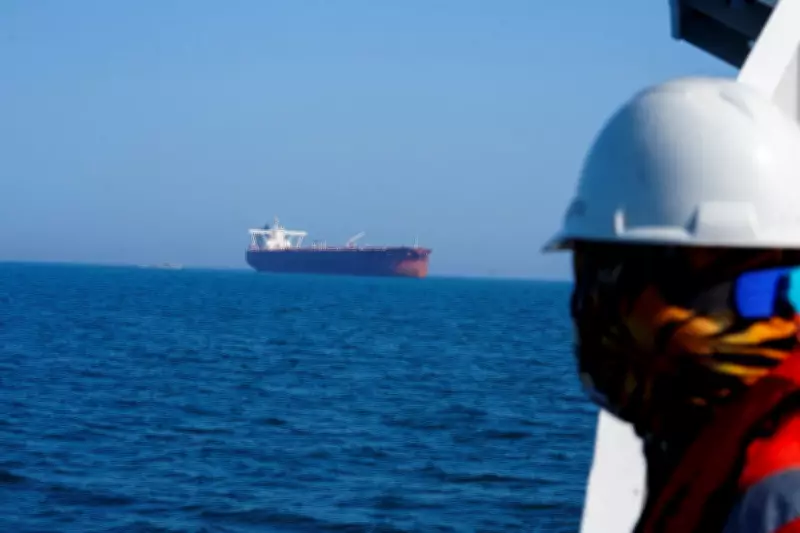
In a significant development, oil tankers have begun moving through the Strait of Hormuz, marking the first major maritime activity in this crucial waterway since the onset of the US-Israel war against Iran seven weeks ago. According to reports from Reuters and MarineTraffic data, a convoy including four liquefied petroleum gas carriers and several oil product and chemical tankers passed through Iranian waters south of Larak Island, with additional vessels following from the Gulf.
Iran's Conditional Reopening and Threats
Iran reopened the strait following a separate ceasefire agreement brokered between Israel and Lebanon on Thursday. However, the reopening comes with a stern warning from Mohammad Baqer Qalibaf, Iran's speaker of parliament and senior negotiator, who stated via social media that the Strait of Hormuz "will not remain open" if the US blockade continues. This threat underscores the fragile nature of the current truce, which is set to last for 10 days.
Foreign Minister Abbas Araqchi had earlier announced that the strait was open for all commercial vessels during this period, but with strict conditions. All ships must now coordinate with the Islamic Revolutionary Guard Corps, a requirement not in place before the conflict. Additionally, the Iranian Defence Ministry, as quoted by state television, has prohibited military vessels and ships linked to "hostile forces"—specifically the US and Israel—from passing through.

US Stance and Ceasefire Uncertainty
Former US President Donald Trump added to the tension by stating on Friday that he may not extend the ceasefire with Iran unless a long-term deal to end the war is agreed upon by Wednesday. Speaking to reporters aboard Air Force One, Trump emphasized, "Maybe I won't extend it, but the blockade on Iranian ports is going to remain. So you have a blockade, and unfortunately we have to start dropping bombs again." This hardline position highlights the ongoing diplomatic challenges, with peace talks in Islamabad last weekend failing to resolve key issues, particularly concerning Iran's nuclear ambitions.
Economic and Global Implications
The resumption of tanker traffic has already had a positive impact on global markets. Oil prices fell by approximately 10% on Friday, and US stocks reached record highs, reflecting relief over the potential easing of supply disruptions. The Strait of Hormuz, which carried a fifth of the world's oil trade before the war, is a critical choke point for global energy supplies.
In related developments, UK fuel prices dropped for the first time in 46 days, with petrol averaging 158.1p per litre, offering some respite to motorists. Meanwhile, Spirit Airlines in the US has reportedly requested an emergency bailout from the Trump administration due to soaring fuel costs exacerbated by the conflict, highlighting the broader economic ripple effects.
Ongoing Peace Talks and Nuclear Stalemate
Uncertainty persists over the peace talks, with significant gaps remaining on Iran's nuclear program. Iran maintains its right to a civilian nuclear energy program, while the US has demanded the removal of enriched uranium stockpiles. Trump told Reuters that the US might "go in with Iran, at a nice leisurely pace, and start excavating with big machinery" to address these stockpiles, but Iranian officials have rejected such transfers.
Despite Trump's optimism about weekend negotiations, logistical challenges and unresolved issues cast doubt on immediate progress. Iranian sources indicate that "gaps remained to be resolved" before any preliminary agreement, with senior clerics like Ahmad Khatami striking a defiant tone, asserting that "our people do not negotiate while being humiliated."
Maritime Safety Concerns
Shipping companies remain cautious, seeking clarifications on risks such as mines before fully resuming operations. The US Navy has warned seafarers that the mine threat in parts of the waterway is not fully understood and advised avoiding the area if possible. This caution was evident on Friday when a group of around 20 ships, including container ships and tankers, turned back while heading toward the strait, though reasons were unclear.

In a positive note, the cruise ship Celestyal Discovery, which was stranded in Dubai, successfully crossed the strait and headed to Oman on Saturday morning, according to Marine Traffic data. This movement, along with the tanker convoy, signals a tentative step toward normalcy, but the situation remains volatile with Iran's warnings and US threats looming large.