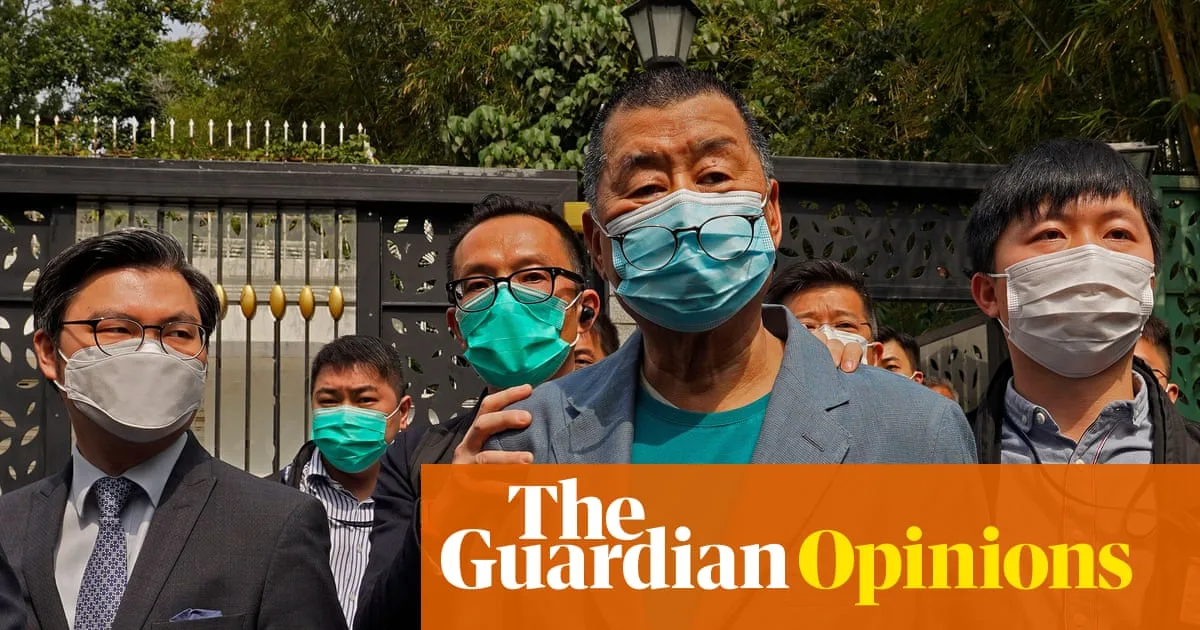
Prime Minister Sir Keir Starmer is facing mounting criticism over his planned trade visit to Beijing and Shanghai in January, following the conviction of British citizen Jimmy Lai in Hong Kong and ongoing security concerns about China's activities. The visit, which Starmer has described as a “duty” to improve relations with a country he called “a defining force in technology, trade and global governance”, comes as Beijing's recent actions have heightened tensions with the UK.
Last week, a Hong Kong court found Jimmy Lai, a newspaper publisher and former pro-democracy activist, guilty on charges of conspiring to “destabilise” the Chinese Communist Party. UK Foreign Secretary Yvette Cooper condemned the trial as “politically motivated”, but analysts expect no change in Beijing's position. The case underscores the fragile state of UK-China relations, which have been further strained by frequent warnings from MI5 about Chinese espionage, cyber-attacks, and intimidation of dissidents.
Chancellor Rachel Reeves visited China in January, securing a £1bn investment package for jobs and growth. However, critics argue that the economic benefits come at too high a price, potentially undermining UK sovereignty and security. The Commons intelligence and security committee recently complained that the government is “dragging its heels” over designating China a major threat to national security. Meanwhile, the prosecution of two Britons accused of spying for China collapsed this autumn, raising questions about the government's approach.
MI6's new chief, Blaise Metreweli, in his first public appearance, avoided directly addressing China as a threat. MI5 has warned that British businesses, parliament, and MPs are routinely targeted by Chinese intelligence. The Foreign Office itself was reportedly hacked by China just last week. Despite these incidents, Starmer maintains that protecting national security is “non-negotiable” but insists that engagement with China is necessary for trade and global governance.
The Human rights abuses in Hong Kong, Xinjiang, and Tibet, along with China's aggressive trade policies and military assertiveness in the Indo-Pacific, have led many to question the wisdom of deepening economic ties. Starmer's balancing act—separating politics from business—has been compared to trying to separate politics from sport, with no clear resolution in sight.