Starmer Urges US and Iran to Find Diplomatic Path After Failed Peace Talks
Starmer Urges US-Iran Diplomatic Path After Failed Talks

Prime Minister Keir Starmer Urges Diplomatic Resolution After US-Iran Peace Talks Collapse

Prime Minister Sir Keir Starmer has issued a direct appeal to both the United States and Iran to "find a way through" their diplomatic impasse, following the complete breakdown of crucial peace negotiations held in Pakistan over the weekend. The Prime Minister's intervention comes alongside a stark warning against any further escalation in the region and a plea to maintain the fragile two-week ceasefire currently in place.

Failed Negotiations and Regional Tensions

The high-stakes peace talks, which lasted for an intense 21-hour session in Islamabad, concluded in the early hours of Sunday without any agreement being reached. US Vice-President JD Vance departed Pakistan empty-handed, citing Iran's steadfast refusal to commit to halting its nuclear weapons programme as the primary obstacle. This failure has cast significant doubt over the sustainability of the shaky truce that has temporarily halted hostilities.

In a detailed readout from Downing Street following Sir Keir's diplomatic call with His Majesty Sultan Haitham bin Tarik al Said of Oman, a spokeswoman revealed the substance of their discussion. "They discussed the peace talks held in Pakistan over the weekend and urged both sides to find a way through," the statement confirmed. "It was vital there was a continuation of the ceasefire, and that all parties avoided any further escalation, the leaders agreed."

Wide Pickt banner — collaborative shopping lists app for Telegram, phone mockup with grocery list

The Critical Strait of Hormuz Crisis

A central focus of the conversation was the escalating crisis in the Strait of Hormuz, the vital global oil and gas shipping lane that has been effectively blockaded by Iran. This closure has sent energy prices soaring worldwide, creating economic instability. The Sultan updated the Prime Minister on the dire situation, while Sir Keir expressed gratitude for Oman's humanitarian efforts in rescuing sailors from distressed vessels trapped in the region.

Britain is now taking a leading role in international efforts to resolve this maritime crisis. The UK government will host further high-level talks next week with a coalition of nations, aiming to coordinate a strategy for reopening the strategic pinch-point. This follows earlier meetings convened by the Foreign Secretary and British military planners with over 40 nations participating virtually, alongside a separate gathering of allied military officers.

"Reflecting on international efforts to co-ordinate safe passage for shipping in the region, the Prime Minister said that following meetings convened by the Foreign Secretary and British military planners, partners continued to work towards restoring freedom of navigation for the long term," the readout stated.

Strategic Objectives and International Pressure

The upcoming meeting in London is expected to pursue a dual strategy: seeking a sustainable end to the broader conflict while intensifying international diplomatic pressure on Iran to reopen the Strait of Hormuz. According to an official with knowledge of the planning, discussions will explore a range of coordinated measures, including:

  • Potential economic and political sanctions against Iran
  • Collaboration with the International Maritime Organisation
  • Securing the release of thousands of commercial ships and their crews currently trapped

This will mark the third meeting hosted by Britain this month specifically addressing the Strait of Hormuz crisis, underscoring the UK's commitment to resolving this critical international issue.

Regional Context and Diplomatic Strains

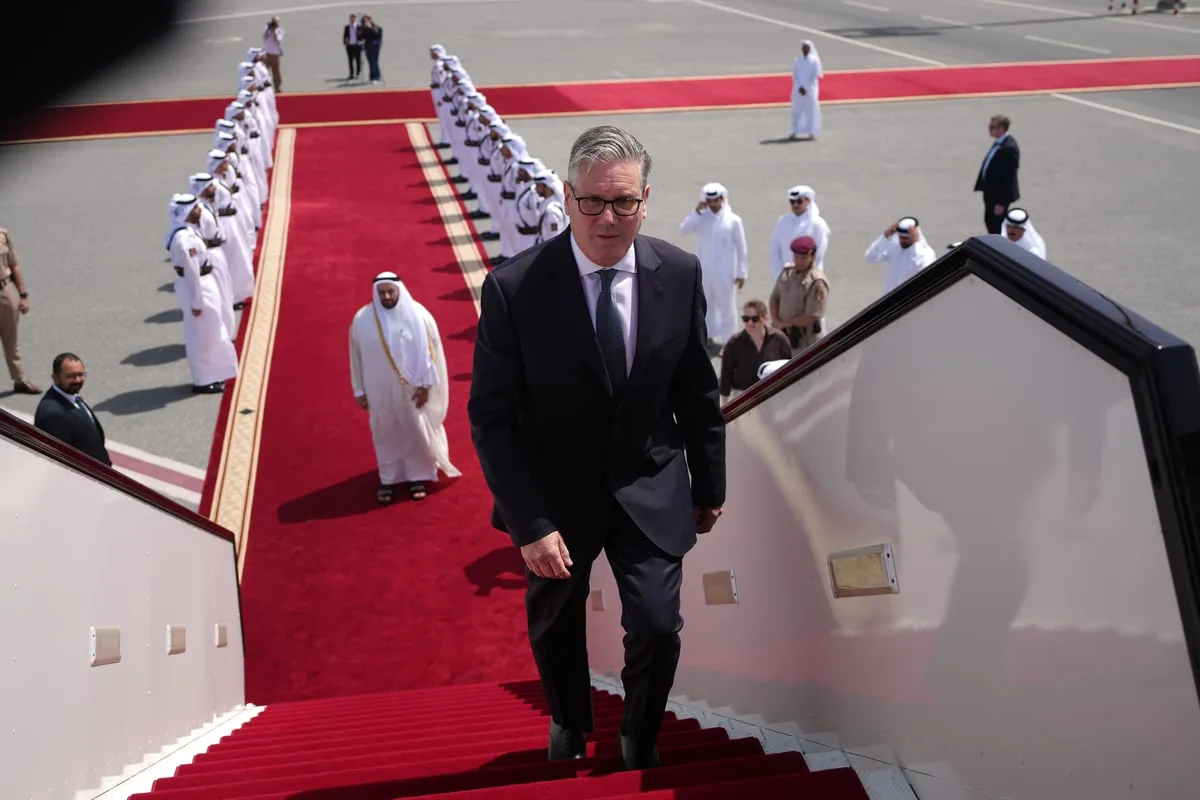
Sir Keir's diplomatic push follows his recent visit to Gulf allies, where he discussed how to support what he described as a "fragile" ceasefire. Gulf nations have suffered significantly from Tehran's retaliation against the US-Israeli campaign, enduring thousands of missile and drone attacks targeting American military installations and vital energy infrastructure.

The current two-week ceasefire was agreed earlier this week by US President Donald Trump, with the reopening of the Strait of Hormuz established as a key condition. President Trump had previously issued a stark warning to Iran, stating that "a whole civilisation will die" if his demands were not met.

Pickt after-article banner — collaborative shopping lists app with family illustration

This rhetoric has drawn sharp criticism from within the UK government. Health Secretary Wes Streeting condemned President Trump's "incendiary, provocative, outrageous" language, suggesting that ministers had learned to distinguish between "what the American leader says and what he does." Streeting further noted that disagreements over multiple issues, including the Iran conflict, Greenland, the Chagos Islands, and the US president's repeated criticisms of the UK, had "undoubtedly strained" the traditionally close UK-US relationship.

As diplomatic efforts continue, the international community watches anxiously to see whether Sir Keir Starmer's appeal for a diplomatic path can help bridge the deep divide between Washington and Tehran, while preventing a catastrophic return to full-scale conflict in the Middle East.