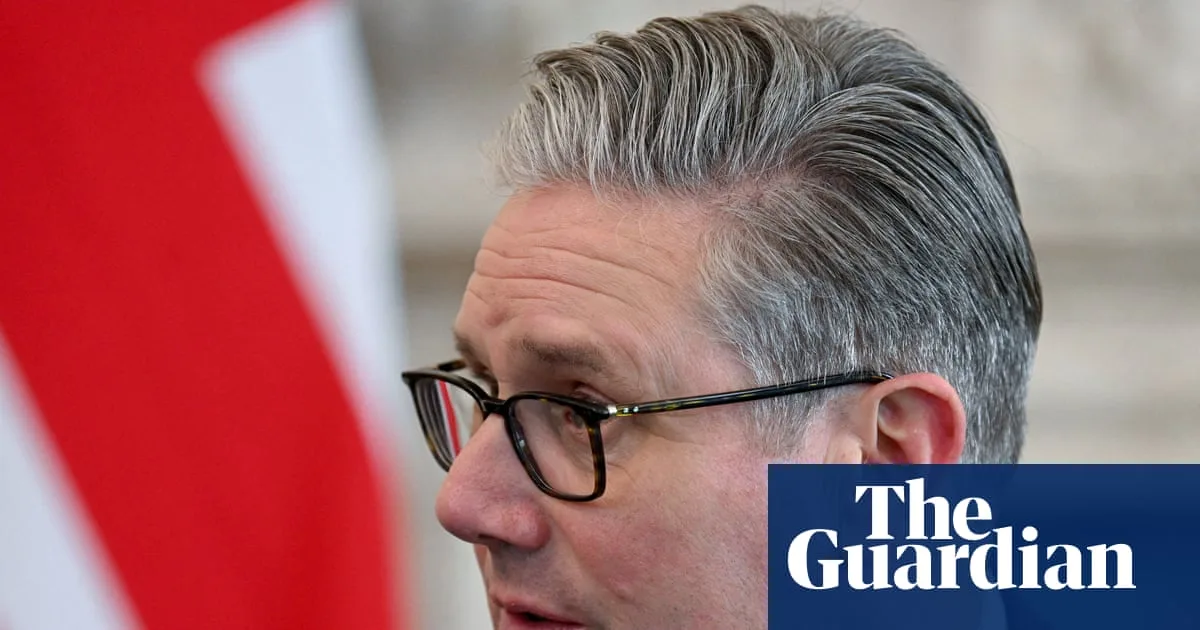
Starmer Firmly Rejects Iran's Warning Over UK Military Bases
Prime Minister Keir Starmer has emphatically stated that the United Kingdom is not being dragged into the broader Middle East conflict, following a stark warning issued by Tehran regarding the use of British military installations. The diplomatic tension escalated after Iran's Foreign Minister, Abbas Araghchi, declared that permitting US forces to utilise UK bases would be interpreted as an act of aggression.
A Tense Diplomatic Exchange
The Iranian official reportedly delivered this forceful message during a tense telephone conversation with Foreign Secretary Yvette Cooper on Friday, as confirmed by the regime's state media. In a detailed post on Telegram, written in Farsi, Mr Araghchi asserted that he explicitly informed Ms Cooper: "These actions will definitely be considered as participation in aggression and will be recorded in the history of relations between the two countries. At the same time, we reserve our inherent right to defend the country's sovereignty and independence."
UK Government's Clear and Consistent Stance
Responding directly to these provocative comments, Mr Starmer's official spokesman articulated the government's position with unwavering clarity on Friday. "So our position is very clear. We didn't participate in the initial strikes, and we're not getting drawn into the wider war," the spokesman stated firmly. "We have authorised the US to use our bases for a specific defensive and limited purpose in response to Iran's continued and outrageous aggression, and we've always said that this is the best way to eliminate the urgent threat and restore a path to diplomacy."
When pressed by journalists on whether the Iranian foreign minister's remarks were a cause for concern, the spokesman reiterated the government's steadfast position. "Our position has been crystal clear from the outset - we didn't participate in the initial strikes and we're not getting drawn into the wider war."
Background of the Conflict and UK Decisions
The Prime Minister has consistently defended his initial decision, made almost four weeks prior, to deny a US request to use UK bases for launching the first wave of missile strikes against Tehran. Those initial strikes tragically resulted in the death of Iran's Supreme Leader, Ali Khamenei. However, following Iran's retaliatory actions—which involved launching missiles and drones at allies across the Gulf states in response to joint American-Israeli strikes—the UK government later granted permission for US aircraft to use British airfields, but strictly for defensive operations.
Housing Secretary Steve Reed publicly supported the Prime Minister's measured strategy on Friday. "He took the decision quite rightly, not to involve the United Kingdom in the initial attacks against Iran, but it is quite right that the UK should defend British nationals," Mr Reed commented, describing the Prime Minister's approach as "very measured."
Evacuation Efforts and Public Assurance
In a related development earlier this week, Foreign Secretary Yvette Cooper announced a significant evacuation achievement. Over 100,000 British nationals, who found themselves stranded in the region at the outbreak of hostilities, have now been successfully repatriated to the UK via a combination of commercial and government-chartered flights. Since the initial strikes began, a total of 300,000 British citizens have registered their presence in the Middle East, highlighting the scale of the crisis.
Simultaneously, Downing Street moved to reassure the British public amidst growing international concerns about potential major disruptions to the global oil market due to the conflict. The International Energy Agency (IEA) suggested on Friday that governments should consider advising citizens to work from home more frequently to reduce oil demand. However, Mr Starmer's spokesman dismissed the need for such measures in the UK. "This is the IEA's general advice for countries across the world. It is not in place in the UK. We have a diverse and resilient supply. People in the UK should continue to go about their days in normal fashion."
The government's message remains one of cautious defence, diplomatic resolve, and a commitment to avoiding further escalation, even as it navigates complex international pressures and security threats.






