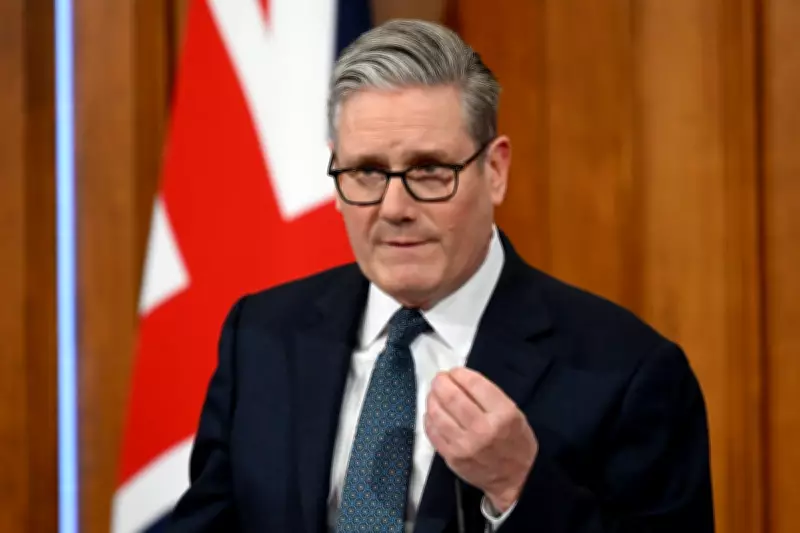
Prime Minister Sir Keir Starmer is set to reassure the British public as the escalating conflict in the Middle East enters its tenth day, with significant implications for national security and international relations.
Community Engagement Amid Crisis
Sir Keir will visit a London community centre on Monday to directly address concerns from UK residents about the ongoing turmoil. Ahead of his visit, he emphasised that the government is "working round the clock to keep British citizens safe" and acknowledged that many Britons are "worried sick" for friends and family caught up in the region.
The Prime Minister outlined key measures being taken:

- Government staff are on the ground providing support to those in need.
- Chartered flights are assisting British nationals in returning home safely.
- UK armed forces are actively engaged in defensive operations across the Middle East.
Military Deployments and Diplomatic Strains
The conflict has triggered substantial military activity, with RAF Typhoons and F-35 jets conducting defensive sorties. UK forces recently engaged an attack drone fired from Iran towards Iraq, highlighting the direct threats being countered.
A Merlin helicopter, capable of flying up to a mile high to provide early warning of incoming drones or missiles, is due to join these efforts shortly.
Tensions with the United States
Diplomatic relations with the US have become strained under President Donald Trump. Sir Keir initially declined to grant permission for the first wave of military action against Iran, a decision that drew repeated criticism from Mr Trump.
Subsequently, the Prime Minister authorised "defensive" US actions against Iranian missile sites using UK bases, leading to four American bombers landing at RAF Fairford in Gloucestershire. Despite this cooperation, Mr Trump has publicly dismissed the need for UK support, stating "we don't need them any longer" and criticising perceived late involvement.
Domestic Political Reactions
Foreign Secretary Yvette Cooper has robustly defended Sir Keir's approach, asserting he is "right to stand up for Britain and Britain's interests" and that the UK should not be "outsourcing our policy to foreign countries."
She also countered criticism from former Prime Minister Sir Tony Blair, who argued the UK "should have backed America from the beginning," by referencing lessons learned from the Iraq War.
Evacuation Efforts and Regional Impact
Evacuation operations continue at pace, with a third government charter flight scheduled to depart from Muscat, Oman, and plans for a commercial flight from Dubai early this week. To date, more than 32,000 British nationals have left the region by air since March 1.
The conflict's repercussions extend beyond immediate security concerns, with growing speculation about its potential impact on the global economy. The situation intensified after Iran's supreme leader was killed in an Israeli strike, leading to his son Mojtaba Khamenei being named as successor—a move likely to provoke further tension with the US administration.
Broader Political Calls
Liberal Democrat leader Sir Ed Davey has urged the Prime Minister to cancel the King's state visit to the US in protest at what he terms Mr Trump's "illegal war" and repeated insults towards the UK.
Despite these pressures, Sir Keir has sought to downplay the rift with Washington, affirming that the special relationship remains "in operation right now" through shared intelligence and collaborative efforts in the Middle East.