Prime Minister Condemns Iranian Aggression Following Regional Missile Strikes
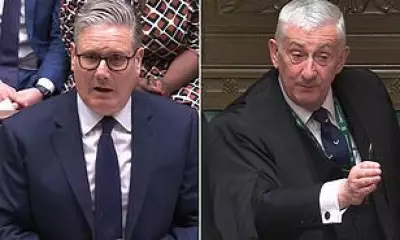
Prime Minister Keir Starmer has issued a strong condemnation of Iran's missile attacks on neighbouring countries, calling for immediate de-escalation and a return to diplomatic negotiations. The statement comes as retaliatory strikes continue to destabilise regions across the Middle East, following coordinated military action by United States and Israeli forces against Iranian targets.
Emergency Cobra Meeting Precedes Diplomatic Response
Starmer's public condemnation followed his chairing of an emergency Cobra committee meeting, convened to address the rapidly deteriorating security situation. The Prime Minister subsequently joined French President Emmanuel Macron and German Chancellor Friedrich Merz in issuing a joint statement that urged Iranian leadership to "seek a negotiated solution" and cease its destabilising military activities.
The tripartite statement emphasised: "France, Germany and the United Kingdom have consistently urged the Iranian regime to end its nuclear program, curb its ballistic missile development, refrain from destabilising regional activity, and cease the appalling violence against its own people."

Background to the Escalating Conflict
The current crisis stems from what US and Israeli authorities described as "pre-emptive" strikes against Iranian nuclear facilities on Saturday morning. Dubbed Operation Epic Fury by American forces and Operation Roaring Lion by Israel, these attacks targeted what both nations characterised as an existential threat from Tehran's nuclear weapons development program.
Iran responded with immediate retaliatory missile launches targeting Israel and various locations across the Middle East, prompting travel warnings from multiple governments and shelter-in-place advisories for British nationals in several Gulf states.
UK Position and Regional Concerns
A Government spokesperson clarified that while Britain maintains close contact with international partners including the United States and Israel, the UK did not participate in the initial strikes against Iran. The spokesperson stressed: "We do not want to see further escalation into a wider regional conflict" while reiterating Britain's firm position that "Iran must never be allowed to develop a nuclear weapon."
The Foreign Office has issued comprehensive travel warnings, advising against all travel to Israel while British embassies in Bahrain, Qatar, Kuwait and the United Arab Emirates have instructed nationals to shelter in place due to security concerns.
Parliamentary and Expert Reactions
Dame Emily Thornberry, chairwoman of the Commons Foreign Affairs Committee, supported the government's decision not to participate in military action, stating there was "no legal basis for this attack." She expressed grave concerns about regional destabilisation, warning: "We need to prepare for shipping, oil facilities and military bases with western troops, including British, to be attacked."
The diplomatic statement from European leaders concluded with a firm commitment: "We reiterate our commitment to regional stability and to the protection of civilian life. Ultimately, the Iranian people must be allowed to determine their future." This position reflects ongoing efforts to balance security concerns with diplomatic engagement amid one of the most serious Middle East crises in recent years.