Starmer and Trump Hold Diplomatic Call on Middle East Military Cooperation
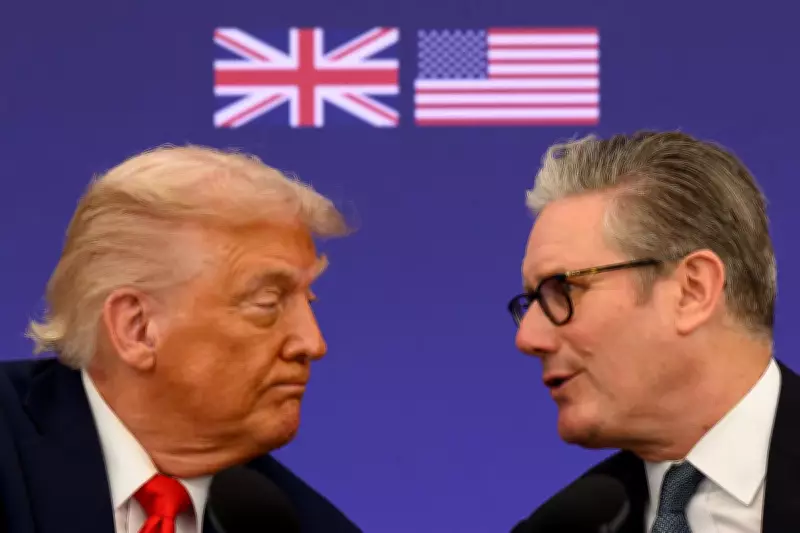
Prime Minister Sir Keir Starmer has engaged in a direct conversation with US President Donald Trump, focusing on the military collaboration between their nations amidst ongoing tensions in the Middle East. This discussion follows a series of pointed criticisms from President Trump regarding the United Kingdom's initial reluctance to support American military actions against Iran.
Trump's Criticism and Starmer's Defensive Stance
In recent days, President Trump launched a personal rebuke against Prime Minister Starmer, notably comparing him unfavorably to Winston Churchill. This criticism stemmed from Starmer's decision to withhold permission for the first wave of offensive military operations from UK bases. However, the Prime Minister has since authorized defensive US actions, allowing strikes against Iranian missile sites from Royal Air Force bases such as Fairford in Gloucestershire and Diego Garcia in the Indian Ocean.
A Downing Street spokeswoman confirmed that the leaders spoke on Sunday afternoon, discussing the latest developments in the Middle East and the strategic use of RAF bases to support collective self-defence efforts in the region. Additionally, Starmer extended his condolences to President Trump and the American people following the tragic deaths of six US soldiers.

Defending National Interests and Learning from Past Conflicts
Foreign Secretary Yvette Cooper robustly defended Prime Minister Starmer's approach, emphasizing the importance of the UK making independent decisions that align with its national interests. In an interview with the BBC's Sunday with Laura Kuenssberg, Cooper stated that while the US president determines American interests, it is the UK government's responsibility to do the same for Britain, rather than simply aligning with or outsourcing foreign policy to other nations.
Cooper also addressed criticism from former Prime Minister Sir Tony Blair, who argued that Britain should have supported America from the outset. Reflecting on lessons from the Iraq War, Cooper underscored the necessity of cautious and lawful decision-making in military engagements.
Military Operations and Regional Developments
In response to the escalating conflict, the UK has enhanced its defensive measures. Four American bombers have arrived at RAF Fairford, and US forces are now utilizing British bases for specific defensive operations aimed at preventing Iranian missile launches. The Ministry of Defence reported that UK forces successfully intercepted a one-way attack drone fired from Iran towards Iraq, with RAF Typhoons and F-35 jets conducting defensive sorties across the region.
Furthermore, a Merlin helicopter capable of detecting incoming drones or missiles from up to a mile in height is set to join these efforts. While the preparedness of aircraft carrier HMS Prince of Wales has been increased, no final decision has been made regarding its deployment.
Evacuation Efforts and Diplomatic Outreach
The UK government continues to prioritize the safety of its citizens in the region. A third charter flight is scheduled to depart from Muscat, Oman, to bring British nationals home, with plans for an additional commercial flight from Dubai early next week. Since March 1, over 32,000 British nationals have evacuated from Gulf countries, Israel, and Lebanon by air.
Prime Minister Starmer also spoke with the President of the United Arab Emirates, His Highness Sheikh Mohamed bin Zayed Al Nahyan, updating him on British counter-drone advisers working alongside UAE military specialists to bolster defensive operations.

Additional Regional Updates
- President Trump indicated that "everything is on the table," including the potential use of special forces to seize Iran's enriched uranium, in an interview with ABC.
- Bahrain has accused Iran of attacking a desalination plant, escalating regional tensions.
- Iranian President Masoud Pezeshkian has threatened to intensify attacks on American targets throughout the Middle East.
Despite the public rift, Prime Minister Starmer has downplayed tensions with the US, affirming that the special relationship remains active through shared intelligence and collaborative efforts in the Middle East conflict. He defended his initial decision by suggesting that offensive actions could have been unlawful, highlighting a commitment to legal and strategic prudence in international engagements.