Starmer and Trump Hold Crisis Call After US President's Public Rebuke Over Iran
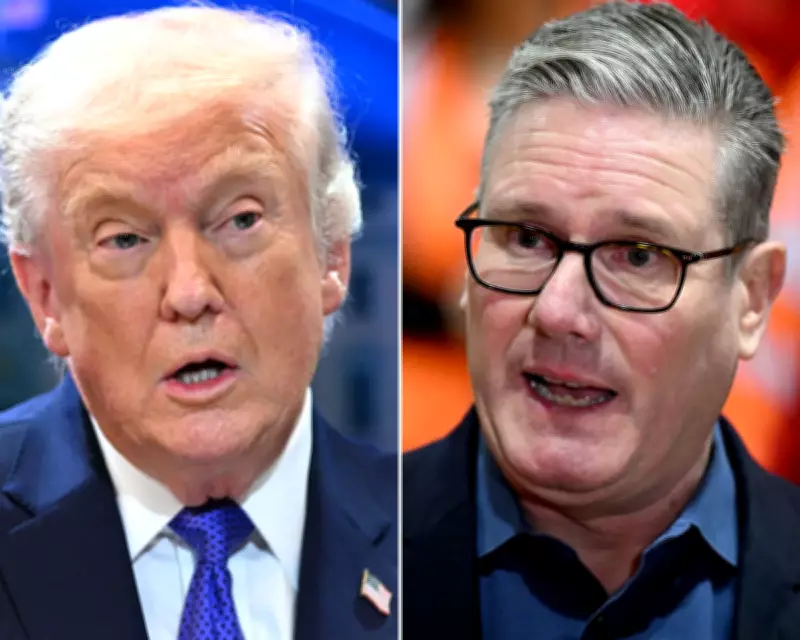
Prime Minister Keir Starmer engaged in a crucial telephone conversation with US President Donald Trump on Sunday, aiming to repair fraught diplomatic relations following Trump's public criticism of the United Kingdom's lack of immediate support for American airstrikes against Iran. The discussion occurred against a backdrop of escalating tensions and a growing Labour party backlash over former Prime Minister Tony Blair's controversial remarks.
Trump's Social Media Criticism Precedes Diplomatic Outreach
The call was necessitated by a direct and pointed rebuke from President Trump, who took to his Truth Social platform on Saturday night to express his displeasure. In a post that quickly garnered international attention, Trump stated, "We don't need people that join wars after we've already won," a clear reference to the UK's perceived hesitation in backing the initial US military actions. This public admonishment highlighted a significant strain in the transatlantic alliance, even as the United States continued to utilise Royal Air Force bases for its ongoing defensive operations in the region.
Downing Street Details the Conversation's Focus
A spokesperson from 10 Downing Street provided details of the leaders' discussion, noting that the conversation "began by discussing the latest situation in the Middle East and the military cooperation between the UK and US through the use of RAF bases in support of the collective self-defence of partners in the region." The spokesperson further revealed that Prime Minister Starmer extended his "heartfelt condolences with President Trump and the American people following the deaths of six US soldiers" in recent conflicts. Both leaders concluded the call by expressing a mutual desire to "speak again soon," signalling a tentative step towards diplomatic reconciliation.

Internal Labour Strife Over Blair's Intervention
The diplomatic manoeuvring unfolded concurrently with internal discord within the Labour Party. Former Prime Minister Tony Blair ignited controversy by telling a private gathering that Starmer "should have backed America from the very beginning" and should have permitted the Trump administration to use British airbases without delay. Blair argued, "If they are your ally and they are an indispensable cornerstone for your security … you had better show up when they want you to."
This stance was swiftly rejected by senior Labour figures. Shadow Home Secretary Yvette Cooper publicly stated her disagreement, emphasising the need to "learn the lessons" from past mistakes, notably the Iraq War. "I don't think either of those positions is in the UK national interest, and it is the responsibility for Keir Starmer to act in the UK's national interest for British citizens," Cooper asserted during an appearance on Sky News. When pressed on whether she was labelling Blair a "poodle," Cooper clarified her focus was on ensuring past errors were not repeated, a path she believes Starmer is following.
Military Developments Underpin Diplomatic Tensions
The political and diplomatic drama was underscored by tangible military movements. On Sunday afternoon, the Ministry of Defence confirmed that four US B-1 Lancer bombers had landed at RAF Fairford in Gloucestershire. One aircraft arrived on Friday evening, with three more following on Saturday morning. These deployments are part of "specific defensive operations" authorised by Prime Minister Starmer, aimed at preventing Iran from launching missiles into the Middle East. This action comes just days after Washington issued warnings that strikes on Iran would "surge dramatically," highlighting the volatile and rapidly evolving nature of the crisis.
The convergence of public criticism, private diplomatic efforts, internal political conflict, and real-time military strategy paints a complex picture of the UK-US relationship at a critical juncture. The outcome of Starmer's outreach to Trump and the management of dissent within his own party will likely have significant implications for future allied cooperation in global conflicts.