Starmer and European Allies Issue Strong Condemnation of Iranian Maritime Attacks
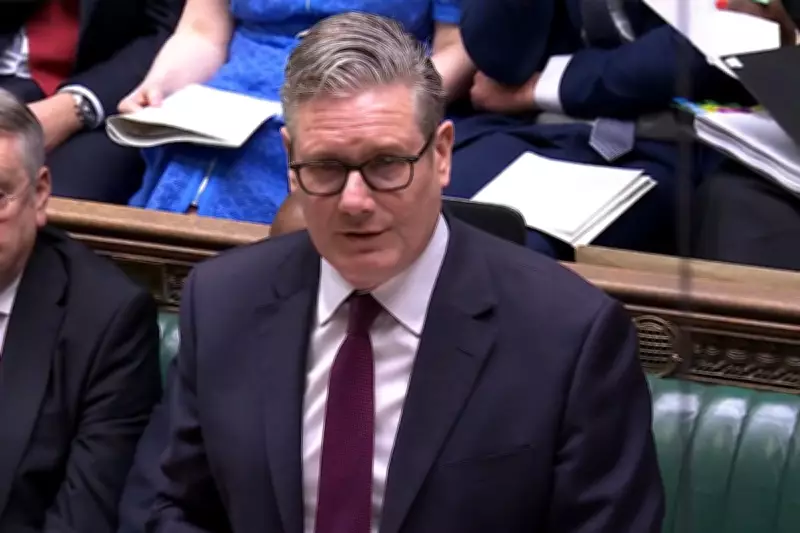
Sir Keir Starmer, the British political leader, has joined forces with the heads of five other nations to issue a powerful joint statement condemning recent Iranian aggression in the Gulf region. The coordinated diplomatic move comes as tensions in the Middle East continue to escalate dramatically, with significant implications for global energy markets and international security.
Unified International Response to Escalating Conflict
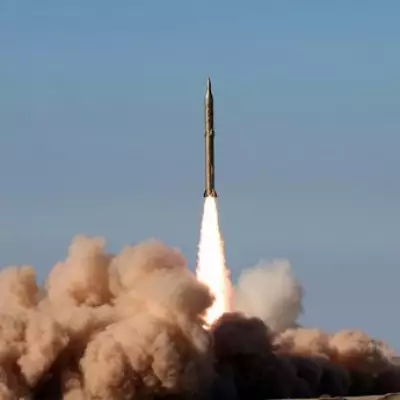
The leaders of France, Germany, Italy, the Netherlands, and Japan have aligned with Starmer in expressing their "deep concern" about the rapidly deteriorating situation. Their collective statement calls on Iran to "cease immediately its threats, laying of mines, drone and missile attacks, and other attempts to block the strait to commercial shipping." This represents a significant multilateral response to what the leaders describe as unacceptable behavior that threatens global stability.
In their formal declaration, the six leaders stated: "We condemn in the strongest terms recent attacks by Iran on unarmed commercial vessels in the Gulf, attacks on civilian infrastructure including oil and gas installations, and the de facto closure of the Strait of Hormuz by Iranian forces." The statement further emphasizes the international community's expectation that Iran comply with United Nations Security Council resolution 2817, highlighting the legal framework that Tehran is allegedly violating.

Economic Consequences and Global Impact
The timing of this diplomatic intervention coincides with significant turbulence in global energy markets. As attacks on critical energy facilities have intensified, oil prices have experienced dramatic spikes. On Thursday morning, the price of Brent crude oil surged by approximately 7 percent, crossing the $114 (£85) per barrel threshold and approaching the highest levels seen since the conflict escalated in late February.
The leaders' statement explicitly acknowledges that the effects of Iranian actions will be felt in all parts of the world, with particular concern expressed for the most vulnerable populations who may suffer disproportionately from energy price increases and supply disruptions. This recognition underscores the global nature of the crisis and its potential humanitarian consequences.
Commitment to Maritime Security and Future Actions
Beyond condemnation, the joint statement signals a readiness to take concrete action to ensure the security of vital shipping lanes. The leaders expressed their "readiness to contribute to appropriate efforts to ensure safe passage through the strait" and welcomed "the commitment of nations who are engaging in preparatory planning" for such operations.
This represents a clear indication that the diplomatic statement may be followed by practical measures to protect commercial shipping through one of the world's most critical maritime chokepoints. The Strait of Hormuz serves as a passage for approximately one-fifth of the world's oil supply, making its security a matter of urgent global economic importance.
The coordinated response led by Starmer and his international counterparts demonstrates growing concern among Western and allied nations about Iran's increasingly assertive military posture in the region. As the situation continues to develop, this joint statement establishes a unified diplomatic position that may shape future international responses to the crisis.