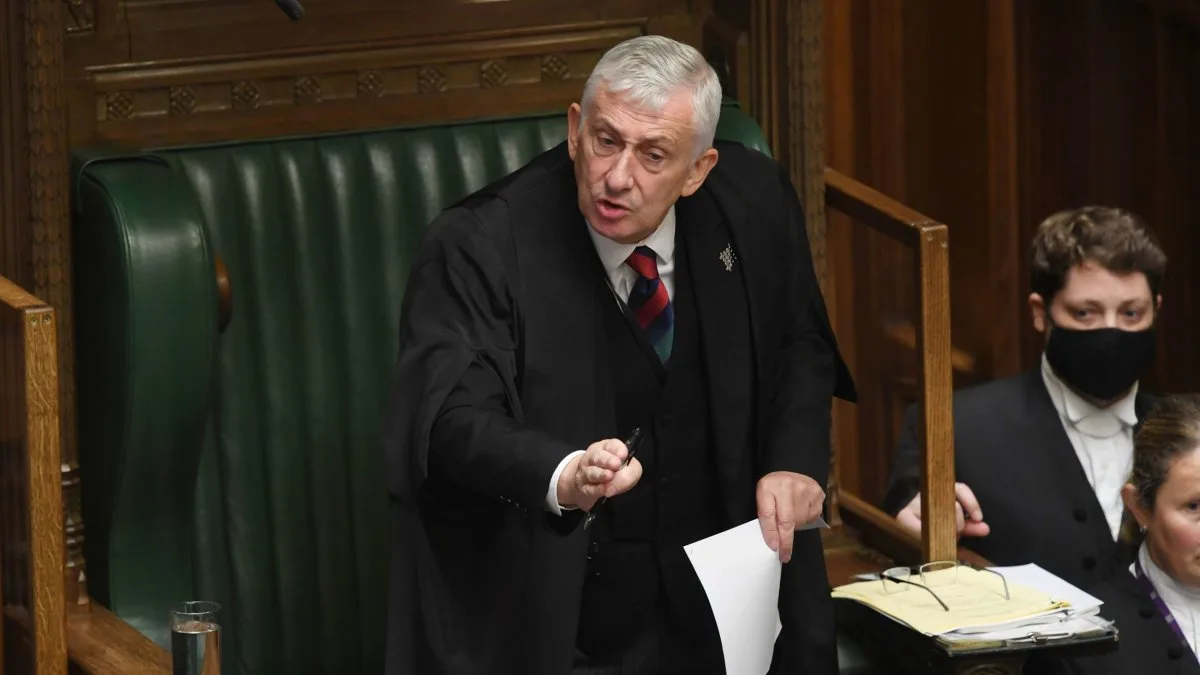
Prime Minister Keir Starmer has received a stark warning that Chinese President Xi Jinping could be prohibited from delivering an address to Parliament should a state visit to the United Kingdom proceed. The caution from Commons Speaker Lindsay Hoyle has ignited fresh controversy, following Downing Street's indication that it was open to welcoming the Chinese leader.
Speaker's Firm Stance on Parliamentary Protocol
In an interview with The Times, Speaker Hoyle emphatically stated that he would not permit President Xi the honour of speaking within the Palace of Westminster while British parliamentarians remain under Chinese sanctions. 'I'm the guardian of MPs. I'm there to protect them from sanctions,' Hoyle declared. 'It would be wrong to let Xi into their workplace while these sanctions are in place.' This position underscores the ongoing diplomatic strain, with several prominent MPs and peers sanctioned by Beijing for criticising China's human rights record and its extensive espionage activities.
Starmer's Beijing 'Charm Offensive' Under Scrutiny
The potential invitation to President Xi formed part of Sir Keir's diplomatic outreach during his recent trip to Beijing, the first by a British premier in eight years. However, the overture has been met with condemnation from various quarters. Critics argue that the Prime Minister's visit yielded minimal substantive gains, especially when compared to agreements already secured by other European nations.
While the trip resulted in a reduction of duties on Scotch whisky and the extension of visa-free travel to China for short British visits, similar privileges are already enjoyed by citizens of over 50 countries, including France and Germany. Notably absent from the outcomes were commitments on several key issues of concern to the UK.
Key Diplomatic Shortfalls and Transatlantic Tensions
Sir Keir failed to secure assurances regarding the release of British democracy activist Jimmy Lai, who is imprisoned in Hong Kong, or the lifting of sanctions on UK parliamentarians. Discussions on the war in Ukraine also concluded without any indication that President Xi would cease China's support for Russia. Furthermore, Downing Street declined to confirm whether the Prime Minister, who has faced criticism for perceived acquiescence to Beijing, raised allegations of Chinese intelligence services attempting to infiltrate Parliament or hack the phones of aides to former Conservative prime ministers.
The diplomatic manoeuvring has also sparked transatlantic unease. Former US President Donald Trump, when asked about Sir Keir's efforts, remarked, 'Well, it's very dangerous for them to do that,' highlighting broader international concerns over the UK's engagement with China.
A Deteriorated Relationship and Uncomfortable Ministers
The current tensions mark a significant shift from the so-called 'golden era' of UK-China relations a decade ago under Prime Minister David Cameron. Since President Xi's last state visit to Britain, bilateral ties have deteriorated considerably, despite Sir Keir's latest attempt at a diplomatic 'reset'.
The government's position appears internally fraught, as evidenced by Trade Minister Chris Bryant's visibly uncomfortable response during media interviews. When questioned about the prospect of a Chinese presidential visit, Minister Bryant, bound by collective responsibility, stated, 'I'm a government minister... of course we take all those issues that you just raised extremely seriously and I'm sure that they would factor into any discussions.' His careful wording reflects the delicate balancing act facing the Starmer administration as it navigates complex geopolitical and domestic political pressures.




