SNL Faces Intense Criticism for Controversial Tourette's Sketch
Saturday Night Live is confronting significant backlash following the release of a controversial sketch that humorously addresses the recent Tourette's syndrome incident at the Bafta Film Awards. The sketch, which was edited out of the latest broadcast due to time constraints but later published online, has been labelled as "shameful" and "vile" by numerous critics and viewers alike.
The Baftas Incident That Sparked the Controversy
Last month, during the prestigious Bafta Film Awards, Scottish campaigner John Davidson, who lives with Tourette's syndrome, involuntarily shouted a racial slur while actors Delroy Lindo and Michael B Jordan were presenting an award. The BBC broadcast the pre-recorded moment, which had occurred two hours earlier, leading to widespread debate and distress for Davidson. He expressed being "upset and distraught" by the situation, having been assured that any offensive involuntary tics would be edited out prior to transmission.
SNL's Controversial Take on the Situation
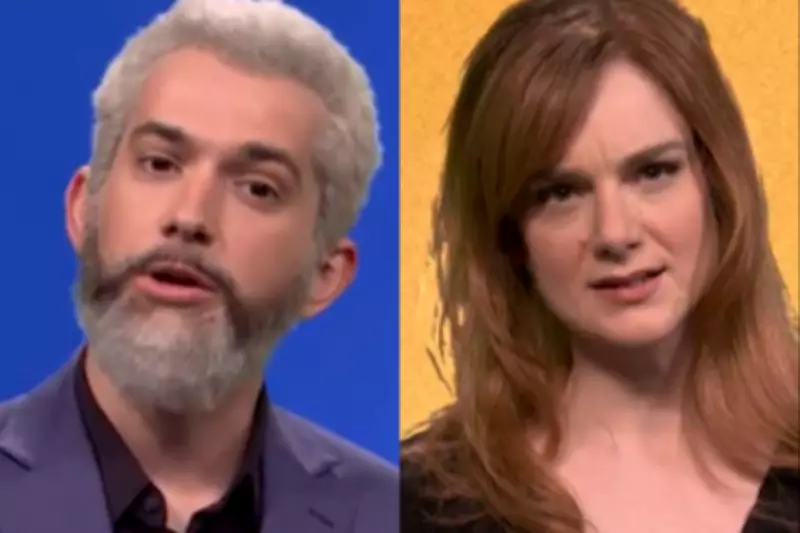
In the sketch, which aired during an episode hosted by Connor Storrie, cast members portrayed controversial celebrities such as Mel Gibson, JK Rowling, Bill Cosby, and Kanye West. These characters absurdly claimed that Tourette's syndrome was responsible for their past problematic behaviours and remarks. For instance, Andrew Dismukes, playing Mel Gibson, stated, "I'm Mel Gibson, and as I probably should have pointed out decades ago, I too suffer from Tourette's which explains a lot of the things I've said or yelled through the years."

Similarly, Ashley Padilla, as JK Rowling, commented on trans issues, while Kenan Thompson's Bill Cosby referenced "drink Tourette's," and Kanye West claimed to have "three different kinds of Tourette's." The sketch concluded with a fake public service announcement from the "National Workforce of Rethinking Disabilities," directly referencing Davidson's involuntary tic.
Widespread Condemnation from Critics and Viewers
The response to the sketch has been overwhelmingly negative, with many accusing SNL of mocking a serious disability and perpetuating harmful stereotypes. Lewis Goodall, host of The News Agents podcast, condemned it as "genuinely shameful," while comedian Al Murray called it "vile." Goodall further criticised the sketch on social media, stating, "The joke is basically nothing more sophisticated than 'people with serious disabilities make it up.' That's before they compare a disabled man, mocked his entire life, to Bill Cosby. Whole thing deserves to become infamous."
Eric Michael Garcia, The Independent's DC bureau chief, added, "This is honestly gross and punching down in the worst possible way. And ironically, it proves the necessity for the work people like John Davidson do to erase stigma around Tourette's." Many viewers echoed these sentiments, expressing disappointment and concern that the sketch undermines efforts to educate the public about Tourette's syndrome.
Defence and Clarifications Amid the Outcry
Some defenders of the sketch argued that it was intended to satirise the celebrities by highlighting their inappropriate use of Tourette's as an excuse, rather than mocking the condition itself. However, this perspective has been largely overshadowed by the criticism. The Independent has reached out to NBC for comment, but no official response has been issued at this time.
Background on John Davidson and the Baftas Aftermath
John Davidson suffers from coprolalia, a specific form of Tourette's syndrome characterised by involuntary cursing or making socially inappropriate remarks. During the Baftas, he left the auditorium after realising that Lindo and Jordan had heard his tic from the stage. Following the incident, the BBC apologised, stating that the slur aired "in error" and had been removed from BBC iPlayer. Bafta also issued an apology, announcing a "comprehensive review" and taking "full responsibility for putting our guests in a very difficult situation."
This controversy highlights ongoing challenges in media representation of disabilities and the fine line between humour and harm in comedy sketches.