Shadow Fleet Defies Strait of Hormuz Conflict, Continuing Oil Transit
In a dramatic development amid escalating tensions in the Middle East, the Strait of Hormuz has witnessed a staggering collapse of more than 90 per cent in oil tanker traffic since February 28, 2026. This sharp decline follows a conflict involving the United States, Israel, and Iran, with Iranian forces threatening to destroy vessels transiting the critical waterway.
Maritime Gridlock and Insurance Withdrawals
By March 6, over 400 oil tankers were reported stranded in the Persian Gulf, unable to proceed due to heightened risks. Mainstream insurance providers have become increasingly hesitant to offer coverage for the high-risk area, citing the volatile security situation and potential for military engagements. This insurance vacuum has created a significant bottleneck, disrupting global oil supplies and driving up energy prices.
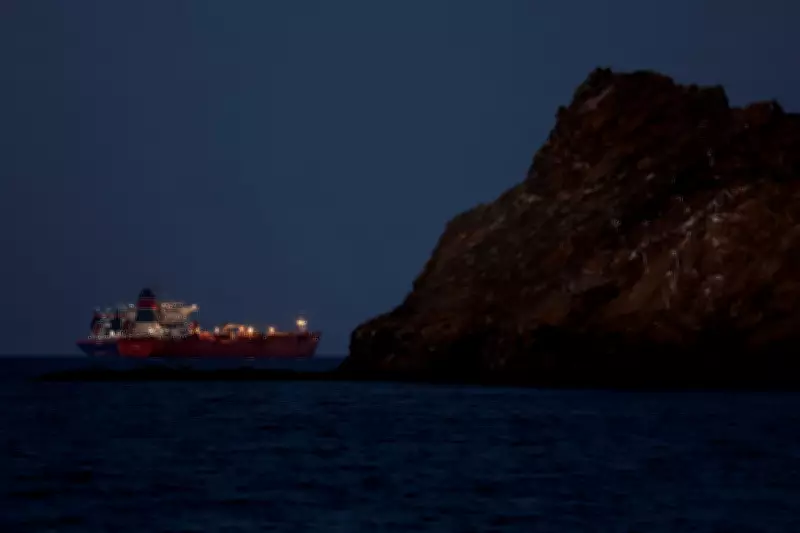
However, a clandestine network of vessels continues to operate through the strait, defying international norms and regulations. These ships, often referred to as the "shadow fleet" within maritime circles, exploit loopholes in voluntary maritime law to maintain their transit routes.

The Mechanics of the Shadow Fleet
The shadow fleet operates by deliberately ignoring restrictions and frequently violating anti-pollution rules, while also engaging in smuggling activities to maximise profits. Key tactics employed by these vessels include:
- Switching off Automatic Identification System (AIS) transponders to avoid tracking and monitoring by authorities.
- Registering under flags of convenience from nations with lax regulatory oversight.
- Utilising opaque insurance providers that operate outside mainstream financial systems.
This approach allows the shadow fleet to bypass the compliance costs and regulatory burdens that have grounded conventional tankers. The global shadow fleet is estimated to comprise approximately 1,100 vessels, with a significant portion active in the Strait of Hormuz region.
Root Causes and International Implications
The rise of the shadow fleet is directly attributed to stringent international sanctions, particularly those targeting nations like Iran and Russia. For some countries, compliance with these sanctions has become prohibitively expensive, prompting them to opt out of the voluntary international maritime system altogether.
This development poses serious challenges to global maritime security and environmental protection efforts. The inability to effectively monitor and regulate these vessels increases the risk of accidents, oil spills, and illicit activities in one of the world's most strategically important waterways.
As the conflict in the region shows no signs of abating, the shadow fleet's continued operations highlight the limitations of current international maritime law and the urgent need for coordinated action to address these regulatory gaps.