Europe's Safest Havens if World War 3 Erupts Amid Iran Conflict
Safest European Countries if World War 3 Breaks Out

Fears of a third world war have intensified dramatically in the wake of the joint US-Israeli military assault targeting Iran's nuclear capabilities. This escalation has sparked global anxiety, with Europeans and Britons abroad already reporting harrowing experiences of bombardment in crossfire incidents, particularly in regions like the United Arab Emirates. Amidst this turmoil, many are seeking sanctuaries, prompting an in-depth examination of which European nations might provide the greatest safety should a full-scale global conflict erupt.

The Criteria for Safety in a Theoretical World War 3

Safety in such a catastrophic scenario hinges on several critical factors: a nation's historical and political neutrality, its geographical insulation from potential frontlines, and its strategic value or lack thereof to warring factions. Nations that avoid alliance entanglements or possess natural defensive barriers are considered prime candidates for refuge.

Switzerland: The Bastion of Eternal Neutrality

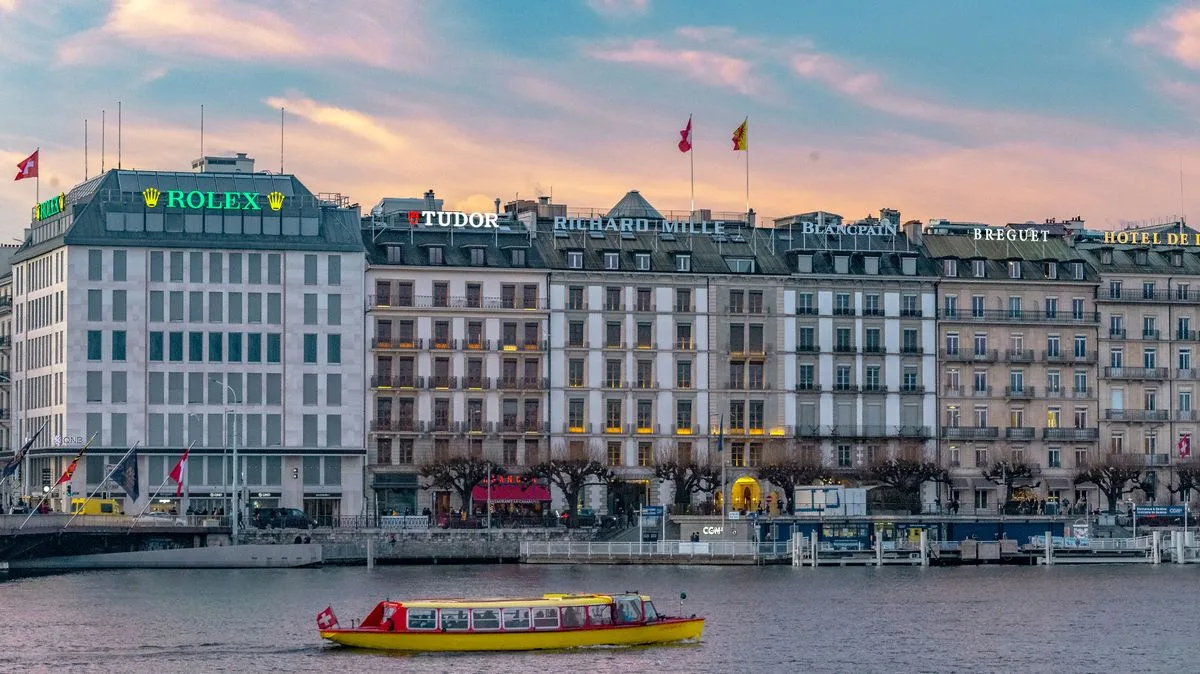
Switzerland stands as the quintessential neutral state, having maintained an official stance of non-involvement in international conflicts for over two centuries, with roots tracing back to the 16th century. This enduring neutrality, though controversial during World War II due to dealings with Nazi Germany, positions Switzerland as an improbable combatant in any future global war. Its mountainous terrain further enhances its defensive capabilities, making it a top contender for safety.

Ireland: A Stalwart of Non-Alignment

Ireland boasts a neutrality record second only to Switzerland, steadfastly refusing to engage in conflicts for more than 85 years. This policy persisted through World War II, as the nascent nation recovered from British rule, and continues despite the rise of alliances like NATO. As a non-NATO member, Ireland is less likely to be targeted in a conflict where the alliance plays a central role, offering a relatively secure haven.

Austria: Constitutionally Insulated but Geographically Exposed

Austria shares a neutral tradition, enshrined in its constitution since 1955, which also keeps it outside NATO. This political stance reduces its likelihood of becoming a direct target. However, its safety is tempered by geographical exposure; while protected by the Alps to the southwest, its eastern border with Ukraine—a potential flashpoint with Russia—poses a significant risk.

Denmark: Strategic Yet Secure Within NATO

Despite being a NATO member, Denmark's strong social cohesion and disciplined military, ranked 45th globally, could make it one of the alliance's safer locations. Its control over strategic access points like the Baltic Sea and North Atlantic, plus possession of Greenland—a critical territory in wartime scenarios—adds to its defensive value, though its alliance ties inherently involve some risk.

Portugal: Geographically Sheltered in Western Europe

As a founding NATO member, Portugal would likely participate in any conflict but benefits from its secluded position in western Europe, attached to Spain. Armies would need to traverse the continent to reach it, making it an unlikely primary target. Additionally, its remote Azores islands in the North Atlantic could serve as a vital evacuation point if mainland Portugal were threatened.

In summary, while no nation can guarantee absolute safety in a world war, countries like Switzerland and Ireland, with their deep-rooted neutrality, offer promising refuges. Others, such as Austria, Denmark, and Portugal, provide varying degrees of security based on geography and political alignment, highlighting the complex calculus of survival in an increasingly volatile global landscape.




