Russian Meteorologist Forecasts 'Favourable' Conditions for Nuclear Strike on UK Town
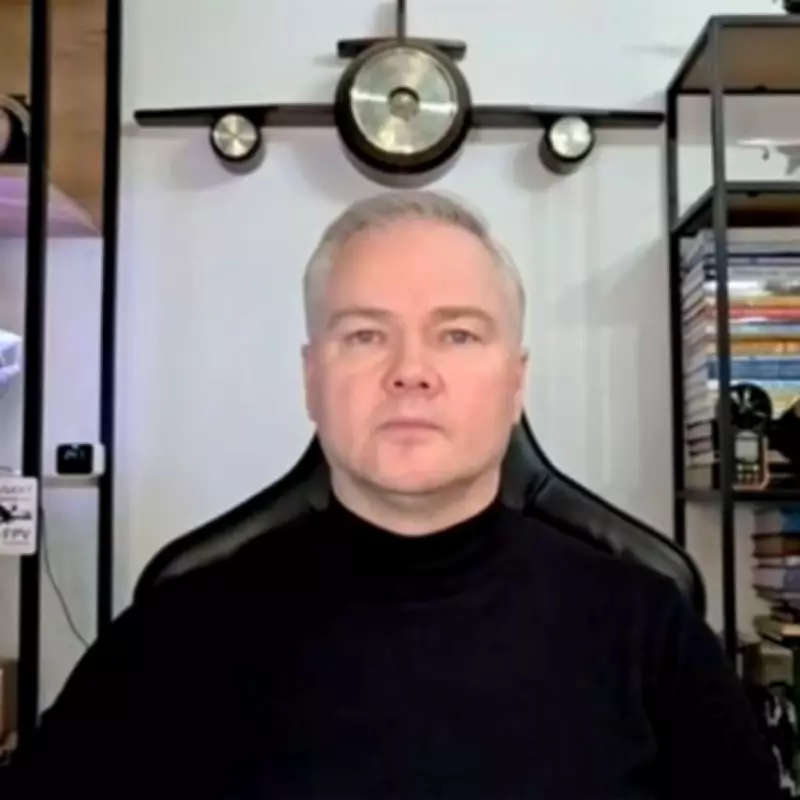
In a chilling development, a Russian weatherman has forecasted "favourable" meteorological conditions for a potential nuclear strike on a town in the United Kingdom. The meteorologist, Yevgeny Tishkovets, who served in the Russian army for two decades before transitioning to a career in weather reporting, now uses his state television platform to make predictions about military attacks against Britain and Europe.
Weather Patterns as a Tool for Military Strategy
Yevgeny Tishkovets, often described as Putin's favourite weatherman, recently urged a missile strike on Farnborough in Hampshire, basing his recommendation on specific wind patterns. During one of his broadcasts, which reach viewers across Russia's vast expanse covering 11 time zones, Tishkovets made a stark declaration.
He stated, "By the way, the wind pattern today is favourable for the use of a full range of weapons, including even low-yield nuclear weapons. Because the wind in the lower troposphere is currently blowing strictly east-west. From a height of one and a half to five kilometres, east to west." This analysis suggests that current atmospheric conditions could facilitate the deployment of nuclear arms towards Western targets.

Background of the Meteorologist
Tishkovets' background adds a layer of concern to his forecasts. With 20 years of experience in the Russian military, his insights are not merely meteorological but are framed within a context of strategic warfare. His role on state television allows him to blend weather reporting with provocative military commentary, raising alarms about the normalization of such rhetoric in Russian media.
The town of Farnborough, located in Hampshire, is now highlighted in these forecasts, though it is unclear why this specific location was targeted. This incident underscores the ongoing tensions between Russia and Western nations, with weather forecasting being weaponized in public discourse.
Implications for UK Defence and International Relations
This report comes amid heightened global anxieties over nuclear proliferation and military posturing. The use of a weather forecast to discuss nuclear strikes represents a disturbing escalation in rhetoric, potentially influencing public perception and international relations. It highlights how seemingly benign platforms like weather reports can be co-opted for geopolitical messaging.
Authorities in the UK and other European countries are likely monitoring such statements closely, as they reflect broader strategies within Russian media to test boundaries and spread disinformation. The blending of meteorological science with military threats blurs lines between civilian and defence matters, posing challenges for diplomatic responses.
As this story develops, it serves as a reminder of the complex interplay between climate data, media influence, and global security. The international community must remain vigilant against such tactics, which aim to destabilize through unconventional means.