Russia Deploys New Cruise Missile in Deadly Kharkiv Strike
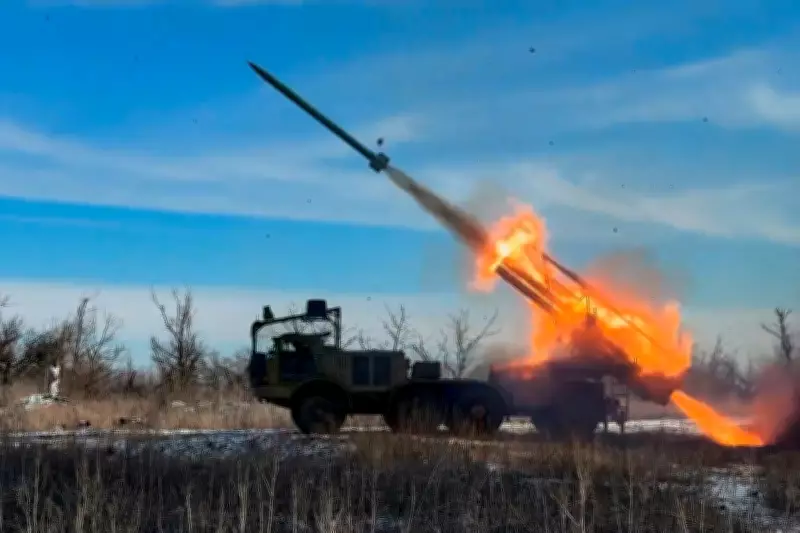
Russian forces have utilised a new weapon system in a devastating overnight assault on Ukraine, resulting in significant civilian casualties. Officials in Kyiv confirmed that a residential building in Kharkiv was struck by a previously unseen Russian cruise missile, identified as the Izdeliye-30. This attack forms part of a broader offensive targeting energy infrastructure and urban centres across the nation.
Details of the Kharkiv Attack
The missile strike on a five-storey apartment block in Kharkiv claimed the lives of ten individuals, including two children, and left sixteen others wounded. Among the deceased were a primary schoolteacher and her second-grade son, along with an eighth-grade student who perished alongside her mother. Kharkiv mayor Ihor Terekhov provided these harrowing details as emergency services combed through the rubble for survivors.
Regional governor Oleh Syniehubov reported extensive damage, with nineteen residential buildings, commercial properties, administrative structures, electricity lines, and vehicles affected by the barrage. The assault included a combination of missiles and drones, with Ukrainian air defences intercepting a substantial number but failing to prevent all impacts.

Specifications of the New Russian Weapon
Ukrainian intelligence sources indicate that the Izdeliye-30 is a subsonic, air-launched cruise missile with an operational range of approximately 1,500 kilometres. A key feature of this new armament is its advanced satellite navigation system, engineered to be more resilient to electronic jamming techniques. This development suggests an escalation in Russia's technological capabilities within the conflict.
President Volodymyr Zelensky disclosed that the overnight onslaught involved twenty-nine missiles and four hundred and eighty drones, primarily aimed at energy facilities in Kyiv and central regions. Preliminary assessments indicate damage at no fewer than seven locations nationwide.
Ukraine's Strategic Defence Offers
In a related development, President Zelensky has engaged in diplomatic discussions concerning Ukraine's burgeoning defence expertise. Following a conversation with Saudi Crown Prince Mohammed bin Salman, Zelensky reiterated Kyiv's offer to assist allies in countering Iranian-designed Shahed drones, which Russia employs extensively.
Ukraine, having developed cost-effective interceptor systems specifically designed to neutralise such drones, is now positioning this knowledge as valuable geopolitical currency. The nation has formally received a request from the United States for support in protecting Middle Eastern bases from similar drone threats.
Zelensky has proposed a reciprocal arrangement: Ukraine would provide its specialist personnel and low-cost interceptor technology to the US and Gulf partners, and in return, seek the high-end Patriot missile systems it currently cannot produce domestically. This initiative highlights Ukraine's transformation into a significant producer of drone defence systems since the full-scale invasion began four years ago.
International Context and Reactions
The British government concurrently announced that it operates four maintenance facilities within Ukraine, repairing donated military equipment including armoured vehicles and artillery systems. This underscores the ongoing international support for Kyiv, with Britain having committed over £21.8 billion in aid.
Meanwhile, the conflict's shadow extended to the sporting world, where the International Paralympic Committee's decision to allow the Russian flag at the Milano Cortina 2026 Paralympics sparked controversy, given the ongoing war and previous doping sanctions.
As the war persists, President Zelensky, in a separate interview, admitted the personal toll, stating it remains too dangerous for him to see his own children, and hinted he may not seek re-election, emphasising that securing peace remains the paramount objective.