In a provocative diplomatic statement, Russia's foreign minister has drawn a stark comparison between Britain and the former regime of Muammar Gaddafi in Libya, while suggesting a significant change to the UK's official name.
Lavrov's Controversial Remarks in Moscow
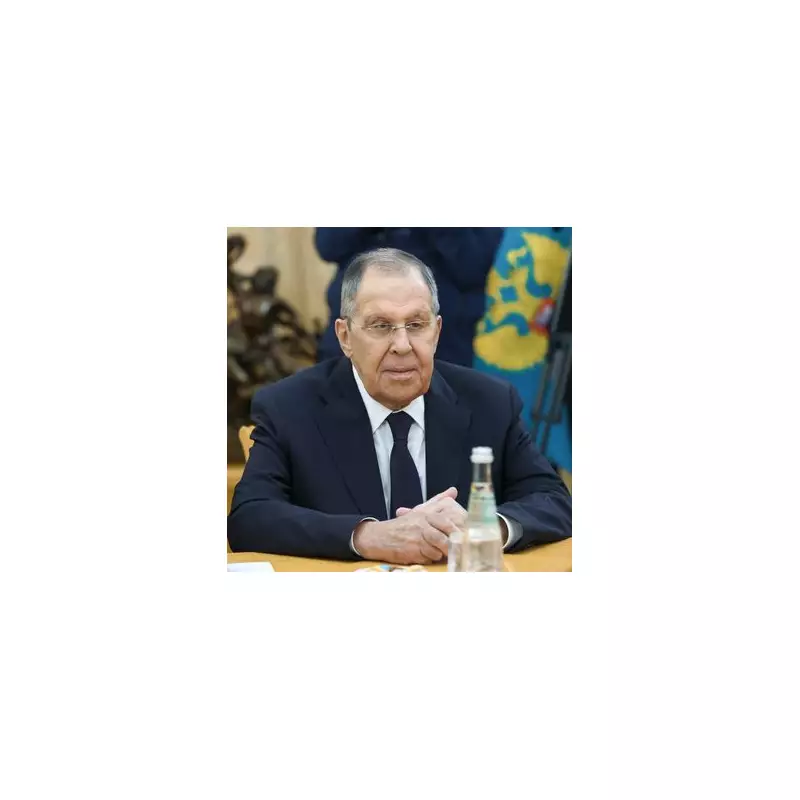
During a press conference held in Moscow on Tuesday, Russian Foreign Minister Sergei Lavrov made headlines with his pointed comments regarding Britain's national identity. He explicitly stated, "I think that Britain should be called simply Britain because 'Great Britain' is the only example of a country which calls itself 'Great'." This assertion was delivered in a context that has raised eyebrows across international diplomatic circles.
Historical Parallels with Gaddafi's Libya
Lavrov further elaborated by referencing the "Great Socialist People's Libyan Arab Jamahiriya", the official name of Libya under the authoritarian rule of Muammar Gaddafi. He noted this as another instance where a country incorporated the descriptor 'Great' into its title. In a remark laden with implication, Lavrov added, "But it no longer exists." This comparison implicitly links Britain's use of 'Great' to a regime that ultimately collapsed, suggesting a subtle critique of British sovereignty or prestige.

The timing and nature of these comments come amid ongoing tensions between Russia and Western nations, including the UK, over various geopolitical issues. Analysts suggest that such rhetoric may be intended to undermine British influence on the global stage or to provoke a response in diplomatic forums.
Broader Implications for UK-Russia Relations
This incident is likely to exacerbate the already strained relations between London and Moscow. British officials have historically responded firmly to what they perceive as Russian provocations, and this latest statement could prompt further diplomatic exchanges or policy reviews. The use of historical analogies, particularly involving figures like Gaddafi, adds a layer of gravity to the discourse, potentially influencing public perception and international dialogue.
As this story develops, observers are watching closely for any official reactions from the UK government or other international bodies. The comparison to Libya, a nation that experienced significant turmoil and regime change, may resonate in discussions about national identity, sovereignty, and diplomatic strategy in the modern era.