Russia Supports Iran in Aggressive Campaigns Against US Allies
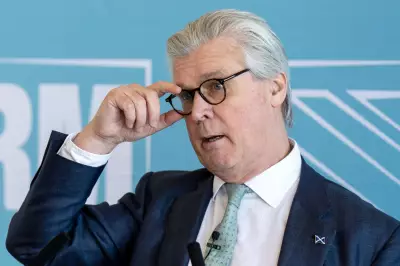
Western intelligence agencies, including the United Kingdom's Defence Secretary John Healey, have identified Russia and Iran as forming an "axis of aggression." This partnership involves Russia providing Tehran with drones, electronic warfare capabilities, and tactical insights gained from the conflict in Ukraine. By definition, this positions Russia as an adversary of the United States, marking a continuation of Moscow's assistance to Iran in targeting US and Israeli interests, as well as allies like the UK in the Gulf region and beyond.
Trump's NATO Criticism Amidst Global Tensions
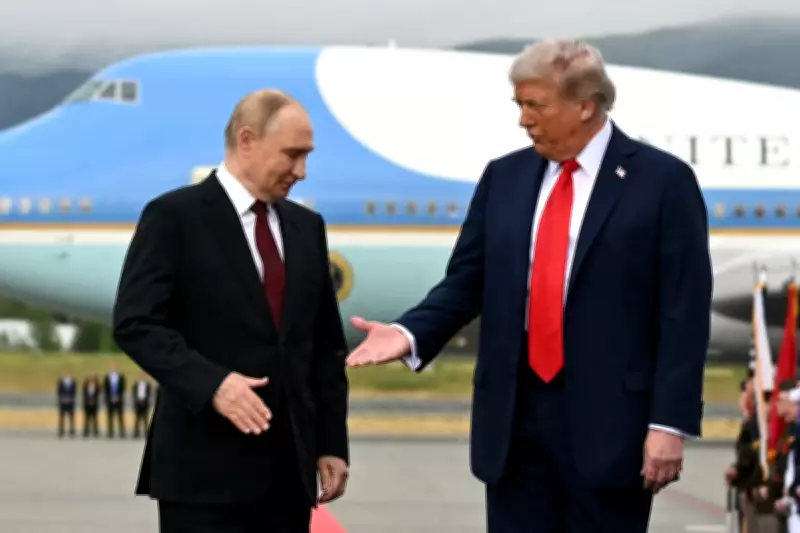
President Donald Trump has responded to these developments by intensifying his criticism of NATO allies. In a recent Truth Social post, he asserted that NATO nations have done "absolutely nothing" to help with Iran, claiming the USA needs nothing from the alliance. This rhetoric comes despite NATO's historical support, including the UK's involvement in US-led wars and the invocation of Article Five for mutual defence. Trump's comments ignore contexts such as the US's neutrality during the UK's Falklands War, highlighting a pattern of dismissing allied contributions.
US Policy Shifts and Russian Alignment
Further complicating matters, reports from the Washington Post indicate the US may renege on commitments to supply air defence missiles to European countries for use in Ukraine, redirecting them to Gulf allies to counter drone and missile attacks aided by Russia. Trump's administration has taken a pro-Russian stance in peace negotiations, endorsing demands for additional Ukrainian territory and portraying President Volodymyr Zelensky as inflexible. Military aid to Ukraine was cut over a year ago, and Trump has made controversial statements about annexing NATO members Greenland and Canada, actions that undermine alliance stability and align with Kremlin interests.

Domestic and International Repercussions
Trump's adoption of the "great replacement theory" and claims of decimating Iran's military—misunderstanding the term's meaning—add to the strategic confusion. European leaders are increasingly recognising that the West's future may require distancing from a president who prioritises Russian interests over those of Americans. This stance could backfire domestically, potentially weakening Republican support in upcoming mid-term elections as candidates reassess Trump's liability on the global stage.