US Secretary of State Marco Rubio to Deliver Pivotal Munich Security Conference Address
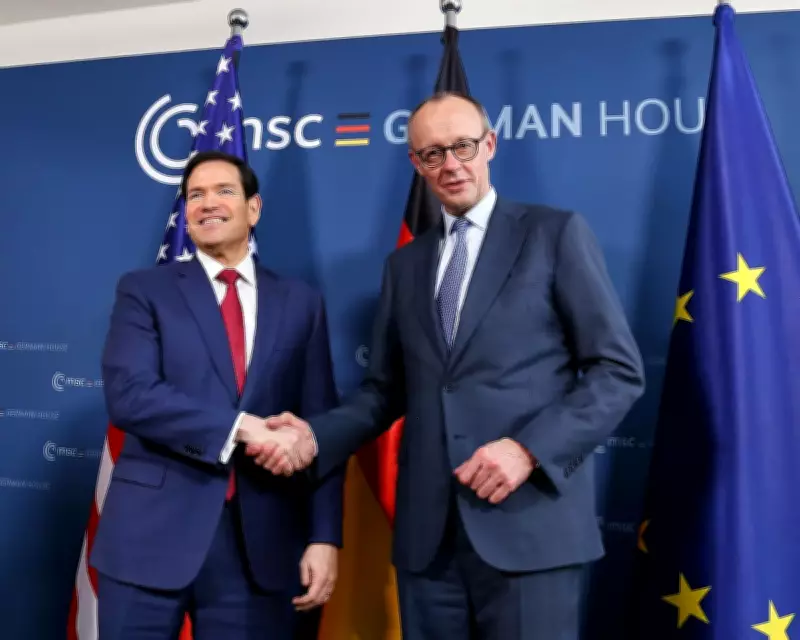
US Secretary of State Marco Rubio is set to open the second day of the Munich Security Conference this morning, presenting the United States' official response to Friday's speeches by German Chancellor Friedrich Merz and French President Emmanuel Macron. These European leaders had highlighted the increasingly precarious state of transatlantic relations, setting the stage for a crucial moment in international diplomacy.
The Diplomatic Tightrope: Confrontation or Conciliation?
The central question dominating the conference halls is whether Rubio will deliver a confrontational address reminiscent of US Vice-President JE Vance's speech last year, or whether he will employ diplomatic finesse to smooth over the already rocky relationship between Washington and its European allies. This decision carries significant weight as global leaders observe how the United States positions itself on the world stage.
The obvious paradox confronting Secretary Rubio is that while his primary audience consists of European diplomats and policymakers, his words will be scrutinized equally carefully back in the United States. President Donald Trump, who maintains a firm grip on foreign policy direction, expects his administration's agenda to be expressed in clear, unambiguous terms—creating a delicate balancing act for America's top diplomat.

European Expectations and American Realities
Before departing for Munich, Rubio offered a glimpse of his approach, suggesting that while Europeans value and admire honesty, they would appreciate what he has to say. This sentiment was reportedly reinforced during meetings with European delegations in Munich yesterday, though the practical implications remain to be seen as he takes the main stage.
The Munich Security Conference represents more than just another diplomatic gathering—it serves as a barometer for international relations at a time of geopolitical uncertainty. Rubio's address will establish the tone for subsequent discussions involving other global power players scheduled to speak throughout the day.
A Star-Studded Lineup of Global Leaders
Following Rubio's keynote, the conference will feature addresses from Chinese Foreign Minister Wang Yi, European Commission President Ursula Von der Leyen, and British Prime Minister Keir Starmer. Each leader brings distinct perspectives to the complex web of international security concerns.
Prime Minister Starmer is expected to characterize Europe as "a sleeping giant" that must reduce its dependency on United States military protection. According to prepared remarks from his office, Starmer will advocate for "a vision of European security and greater European autonomy that does not herald US withdrawal but answers the call for more burden sharing in full and remakes the ties that have served us so well."
Live Coverage and Analysis from Munich
As the Munich Security Conference unfolds on this Saturday, February 14, 2026, comprehensive coverage will include:
- Complete transcripts of all major speeches from global leaders
- Behind-the-scenes insights and diplomatic color from conference corridors
- Immediate analysis of policy positions and their potential implications
- Contextual understanding of how today's addresses fit within broader geopolitical trends
The international community watches with keen interest as Secretary Rubio steps to the podium, knowing his words could either mend fraying alliances or further strain the transatlantic partnership that has underpinned Western security for decades.