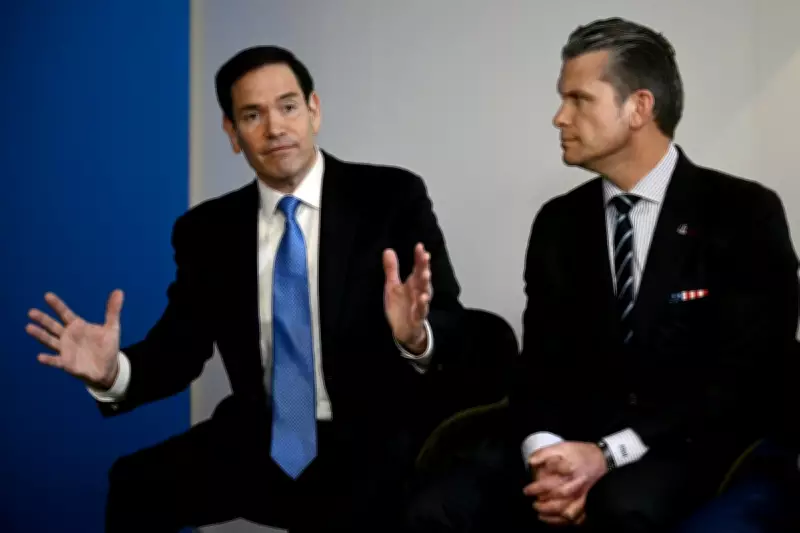
Secretary of State Marco Rubio has ignited a political firestorm after being photographed with Enrique Tarrio, a far-right activist and former leader of the Proud Boys, at the inaugural Shield of the Americas summit in Miami, Florida. The controversial image, which shows Rubio and Tarrio posing together, was posted online by Tarrio himself, who praised the Secretary of State in the accompanying caption.
Criticism from Political Figures and Groups
The photograph has drawn sharp condemnation from a range of critics, including former Democratic congresswoman Debbie Mucarsel-Powell, liberal advocacy groups such as Occupy Democrats, and former Ambassador Luis Moreno. These critics argue that by posing with Tarrio, Rubio is effectively legitimising the actions of a man convicted of serious crimes related to the January 6 attack on the US Capitol.
Tarrio's Criminal Background and Trump's Commutation
Enrique Tarrio was sentenced to 22 years in prison for seditious conspiracy and obstruction of Congress, charges stemming from his involvement in the January 6 insurrection. However, his sentence was commuted by former President Donald Trump, a move that has been widely debated. Critics highlight that Rubio's association with Tarrio, despite this criminal record, sends a troubling message about accountability and political alliances.

Focus of the Shield of the Americas Summit
The summit, which also featured an appearance by Donald Trump, centred on strategies to utilise military capabilities in combating drug cartels across Latin America and applying pressure to anti-capitalist regimes in the region. While the event aimed to address significant geopolitical issues, the photo controversy has overshadowed its intended focus, shifting public attention to the ethical implications of Rubio's actions.
Broader Implications for Political Discourse
This incident raises broader questions about the normalisation of far-right figures in mainstream political circles and the potential impact on public trust. As Rubio faces mounting criticism, the episode underscores the ongoing tensions within American politics regarding extremism, justice, and the boundaries of acceptable political engagement. The backlash serves as a reminder of the delicate balance politicians must maintain in their public associations.