Marco Rubio Condemns Jimmy Lai's 20-Year Sentence as Unjust and Tragic
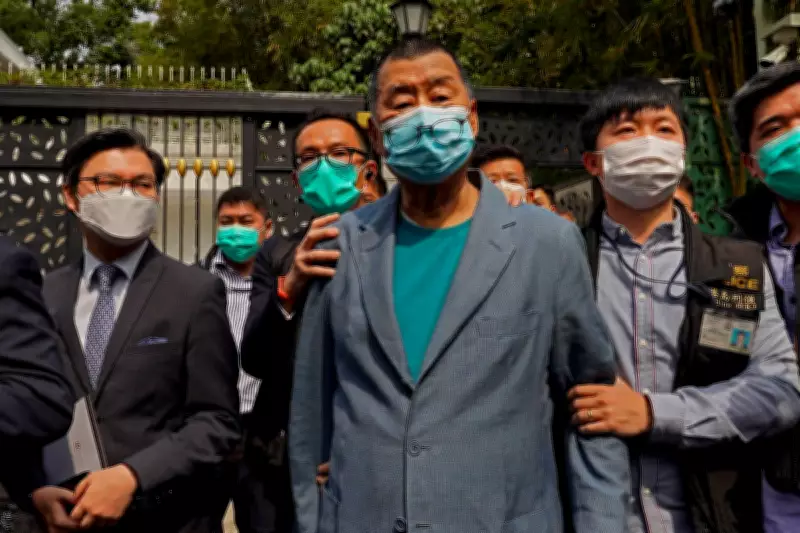
U.S. Secretary of State Marco Rubio has publicly labelled the 20-year prison sentence handed to Hong Kong media tycoon Jimmy Lai as "unjust and tragic." In a strong statement, Rubio urged authorities to grant the 78-year-old pro-democracy campaigner humanitarian parole, highlighting international concern over the case.
Details of the Sentence and Charges
Jimmy Lai, the founder of the now-shuttered Apple Daily newspaper, was sentenced on Monday after being found guilty in December of conspiracy to collude with foreign forces and conspiring with others to publish seditious articles. His co-defendants, who pleaded guilty to the collusion-related charge, received prison terms ranging from six years and three months to 10 years.
Lai has consistently denied all wrongdoing, maintaining his innocence throughout the trial. Hong Kong leader John Lee has accused Lai of using Apple Daily to "poison" residents and incite hatred, a claim that has been central to the prosecution's case.

International Reactions and Diplomatic Engagement
The British government has vowed to "rapidly engage further" with Chinese authorities over Lai's sentence, which represents the heaviest penalty ever handed out under Hong Kong's national security law. This law, implemented in 2020, has been a point of contention globally, with critics arguing it suppresses dissent and freedom of speech.
Rubio's condemnation adds to a growing chorus of international voices expressing alarm over the sentencing. The case has drawn attention to the broader implications for media freedom and human rights in Hong Kong, with many viewing Lai's punishment as a severe crackdown on pro-democracy activism.
Background on Jimmy Lai and Apple Daily
Jimmy Lai is a prominent figure in Hong Kong's pro-democracy movement, known for his outspoken criticism of the Chinese government. Apple Daily, which he founded, was a major pro-democracy newspaper that was forced to shut down in 2021 amid increasing pressure from authorities.
The trial and sentencing have been closely watched by human rights organizations and foreign governments, who see it as a test of Hong Kong's judicial independence under the national security law. Lai's supporters argue that the charges are politically motivated, aimed at silencing opposition voices.
As the situation develops, international observers are calling for transparency and fairness in the handling of such cases, with Rubio's plea for parole underscoring the humanitarian concerns surrounding Lai's advanced age and health.