Russian Nuclear Agency Defends Capability to Operate Seized Ukrainian Atomic Facility
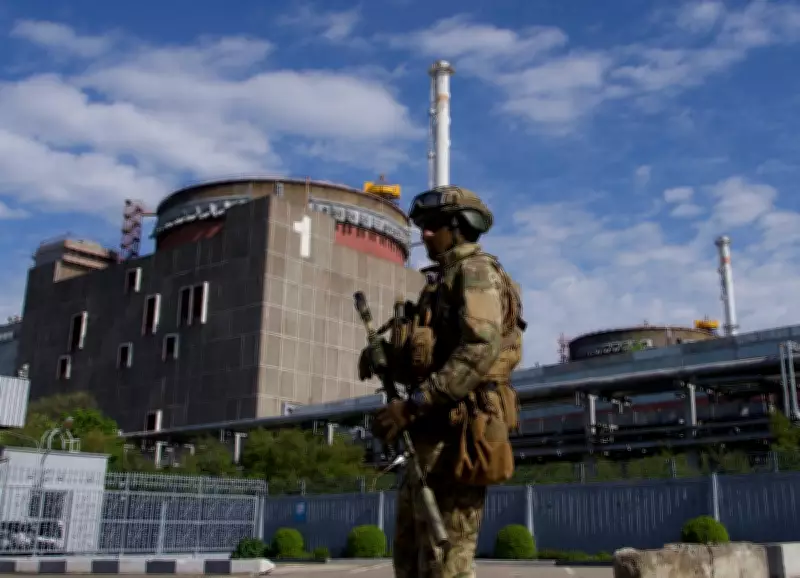
Russia's state nuclear corporation, Rosatom, has firmly dismissed Ukrainian allegations that it lacks the necessary equipment and components to safely manage the Zaporizhzhia nuclear power plant, which was seized by Russian forces from Ukraine in 2022. The dispute centers on Europe's largest atomic power station, a Soviet-built facility with six VVER-1000 pressurised water reactors currently in a "cold shutdown" state.
Ukrainian Warnings of Potential Nuclear Accident
Pavlo Kovtoniuk, head of Ukraine's state nuclear firm Energoatom, told Reuters in Kyiv that Russia's alleged deficiencies in equipment and spare parts could lead to a catastrophic nuclear accident if attempts were made to restart the reactors. He specifically highlighted concerns about control equipment and monitoring systems being Ukrainian-made, the need to replace US fuel in the reactors, and insufficient water supplies for cooling if operations resumed.
"Rosatom categorically rejects claims that Russia lacks the equipment and components required to ensure the safe operation of the Zaporozhskaya Nuclear Power Plant," the corporation stated in an English-language response to Reuters. "Russia operates one of the world's largest nuclear fleets, including VVER-1000 units identical to those installed at Zaporozhskaya NPP, and has full capacity to produce equipment, components and nuclear fuel."

Rosatom's Counterarguments on Safety and Operations
Rosatom, ranked among the world's biggest nuclear corporations in construction, enrichment services, and mining, argued that the primary threat to nuclear safety at the plant is ongoing shelling in the area, not equipment shortages. The agency provided detailed rebuttals to Ukrainian claims:
- Fuel Compatibility: Rosatom dismissed suggestions that the plant's systems are incompatible with Russian fuel as "technically unfounded," noting that reactor No. 1 received a 10-year operating licence from Russia's nuclear safety authority, Rostechnadzor, in late 2025.
- Cooling Water Supply: The corporation asserted that the plant's cooling system has never relied exclusively on the Kakhovka reservoir. It described a closed-loop cooling pond with sufficient water, supplemented by a reserve system including eleven artesian wells providing up to 270 cubic metres per hour—adequate for cooling shutdown reactors and spent fuel pools.
- Future Plans: A floating pumping station project is under development to support future full-power operation, further ensuring water availability.
Geopolitical Stakes in Plant's Future
The Zaporizhzhia nuclear plant's control remains a critical point of contention in peace negotiations between Moscow and Kyiv, with both nations vying for authority over the facility. The ongoing technical and political debate underscores the high stakes involved in ensuring nuclear safety amid the conflict, as any mishap could have severe regional and global consequences.