
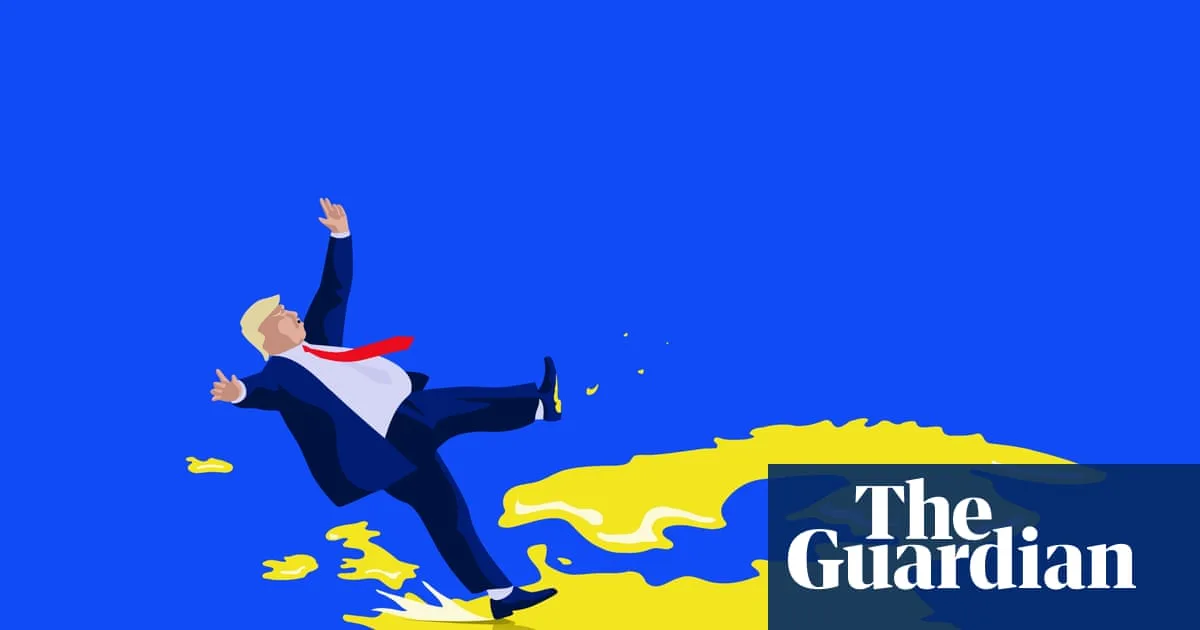
In February last year, Donald Trump convened the first full cabinet meeting of his second term and announced plans to impose sweeping tariffs on Europe. When asked if Europe might retaliate, Trump confidently said, 'They can't.' He described Europe as weak and feckless compared to the American economic juggernaut. Since then, Trump has repeatedly used US economic might to coerce Europe, from lopsided trade deals to pressuring Denmark to sell Greenland, and his assessment that Europe would cave has been vindicated.
To survive another three years of Trump, European leaders need a new approach. Drawing on experience as a state department official designing sanctions, I have seen how economic pressure works and how it can fail when the target absorbs pain and pushes back. India, Brazil and China have faced similar coercion and survived by combining three elements: resolve, resilience and retaliation. Europe must adopt all three to withstand Trump with dignity.
The first step is rallying public support for defiance. Last summer, Trump slapped a 50% levy on India after Prime Minister Modi refused to nominate him for a Nobel prize. Modi declared, 'India will never compromise on the interests of its farmers, livestock rearers and fisherfolk,' galvanising the public. Lawmakers boycotted US products, businesses refused to cut prices, and Trump eventually turned his attention elsewhere. By rejecting appeasement, India gained grudging respect in the White House.
The second step is redirecting trade. When Trump picked a fight with Brazil's President Lula over the prosecution of Jair Bolsonaro, he imposed steep tariffs and sanctions. Brazil responded by reorienting exports to China, the Gulf and south-east Asia, aided by state-backed finance. By year's end, Brazilian exports hit a record high, US consumers faced rising coffee prices, and Trump removed the tariffs and sanctions. Brazil's resilience stripped Trump of his leverage.
The third step is retaliation. During Trump's first term, Chinese President Xi Jinping told CEOs, 'In our culture, we punch back.' Beijing meticulously mapped US vulnerabilities and targeted tariffs on politically sensitive goods like soybeans and pork, hitting Trump's rural base. This forced Trump to negotiate a truce. Europe must be willing to retaliate in kind, targeting US exports that hurt Trump's political support.
Europe has the tools to push back: a large consumer market, economic heft, and the ability to coordinate retaliation. By showing resolve, building resilience and preparing to retaliate, European leaders can stop Trump's bullying and protect their interests.




