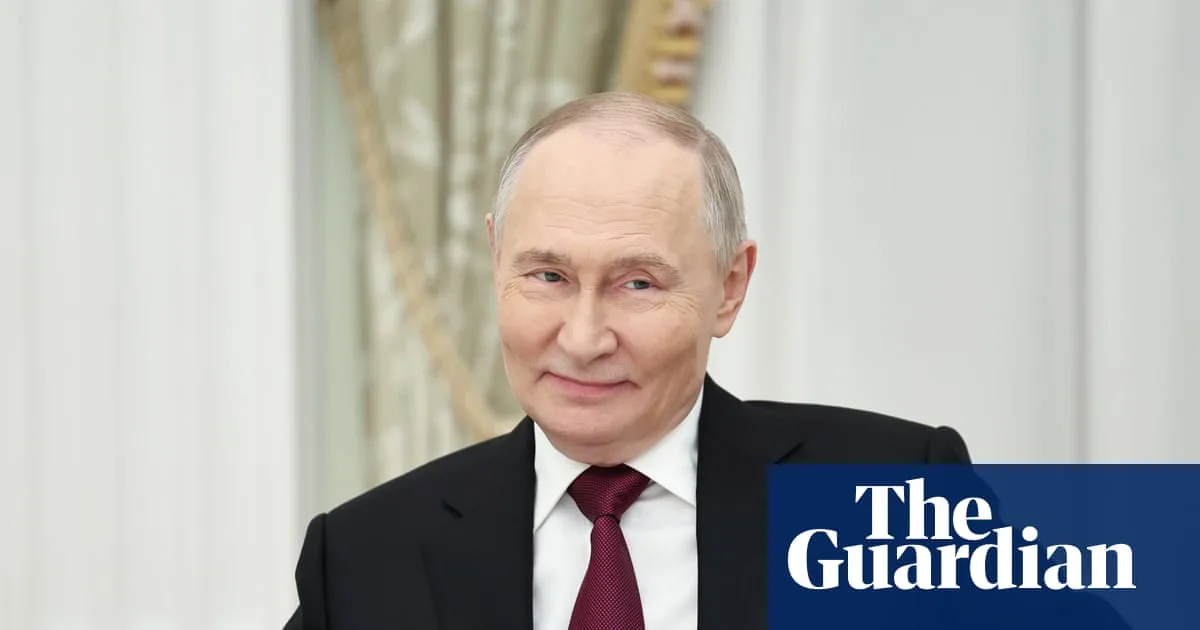
High-level talks in Moscow between Vladimir Putin and Donald Trump's special envoy have concluded without tangible progress towards ending the war in Ukraine, leaving a US-brokered peace initiative in a state of deadlock.
A Summit of Stalemate
On Tuesday, the Russian president welcomed Steve Witkoff, President Trump's envoy, for discussions aimed at resolving the nearly four-year-old conflict. The meeting followed intense diplomatic activity, including recent US-Ukrainian negotiations in Geneva and Florida to revise an initial 28-point American peace proposal widely viewed as favourable to Moscow.
While Ukraine's President Volodymyr Zelenskyy stated the updated offer "looks better" and the White House expressed optimism, the Kremlin's post-summit assessment was starkly different. A spokesperson declared the sides were "neither further nor closer to resolving the crisis", emphasising that substantial work remained.
Military Posturing and Uncompromising Demands
The diplomatic impasse was foreshadowed by Putin's deliberate military posturing. On the eve of the talks, Russian state television broadcast images of the president in military fatigues at a command post, where he claimed control of the strategic city of Pokrovsk—a claim swiftly denied by Ukrainian officials.
According to Pjotr Sauer, the Guardian's Russian affairs reporter, the message was clear: "We're winning this war, so it's better to pressure Ukraine into peace... or wait for us to continue fighting." Kremlin demands, reiterated ahead of the summit, include severe limitations on Ukraine's sovereignty, such as deep cuts to its armed forces, a ban on Western military aid, and the formal cession of occupied eastern territories.
Putin further complicated proceedings with hawkish remarks moments before meeting Witkoff, accusing European governments of sabotaging peace and warning, "Russia does not intend to fight Europe, but if Europe starts, we are ready right now." Analysts interpreted this as an attempt to drive a wedge between Washington and its European allies.
The Envoy's Role and Russia's Strategic Calculus
The choice of envoy has raised questions about the US approach. Steve Witkoff, a former property developer with no formal diplomatic experience, was recently exposed coaching a Kremlin aide on how to win Trump's favour. A leaked phone call revealed his sympathetic stance towards Moscow's position.
"He thinks: 'If only Ukraine just gives up this land, then we can get a deal with everyone.' That's Witkoff's philosophy," said Sauer. This contrasts sharply with the reported pressure applied to Ukrainian negotiators in previous meetings.
Russia's strategy appears to be one of patience and perceived advantage. Sauer notes that Moscow views the situation as a "win-win": either the original, Russia-friendly plan is accepted, or they continue a slow, grinding military advance, believing their position will only strengthen with time. State-aligned media in Russia has framed the latest US-Ukrainian consultations as a "dead end," blaming Kyiv's refusal to capitulate.
Prospects for a Viable Agreement
The path to a mutually acceptable peace remains deeply uncertain. While Ukraine has signalled a cautious openness to negotiation, Putin has shown minimal appetite for compromise, recently questioning Zelenskyy's legitimacy as a leader. The Trump administration, facing domestic political challenges, may find the Ukraine conflict a far more intractable problem than initially hoped.
"At some point he might just walk away," Sauer speculated regarding President Trump. "That is not something that Russia is scared of... But it would leave Ukraine quite vulnerable and exposed."
For now, the fighting continues unabated. The failure of the Moscow summit underscores a grim reality: despite diplomatic theatre and revised proposals, the fundamental positions remain irreconcilable, with Russia seeing little incentive to settle for anything less than total victory on its own terms.




