Kremlin Declines to Comment on Secret Medical Evacuation Claims
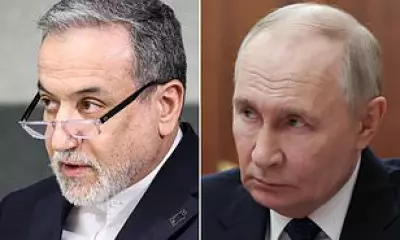
Vladimir Putin's official spokesman has refused to address mounting speculation that Iran's new supreme leader was secretly transported to Russia for emergency medical treatment. Dmitry Peskov, the Kremlin's press secretary, stated categorically that "We do not comment on such reports" when questioned about the alleged covert operation.
Reports of Critical Injuries and Covert Flight
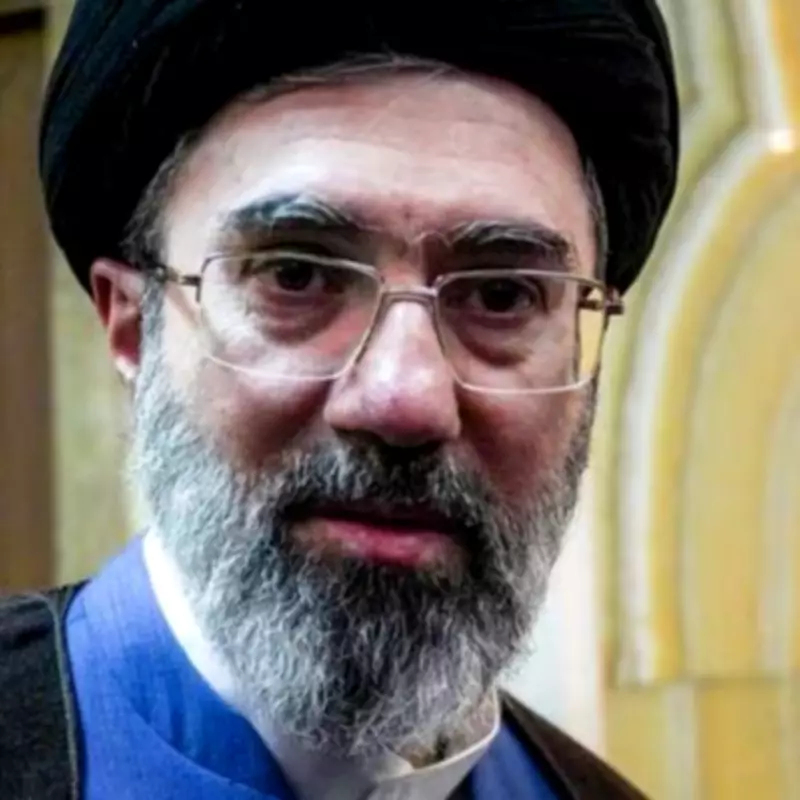
According to emerging reports from Kuwaiti media outlet Al-Jarida, Mojtaba Khamenei, the 56-year-old successor to his late father Ali Khamenei, sustained critical wounds during the same Israeli military strike that killed the former Iranian leader. The publication, citing what it described as "Iranian sources", claimed the injured new supreme leader was evacuated from Iran aboard a Russian military aircraft in what was characterized as a "highly secret operation" necessitated by both health concerns and security considerations.
The reports further suggest that upon arrival in Moscow, Khamenei underwent what was described as a successful surgical procedure before receiving subsequent medical care at a hospital facility located within one of President Putin's presidential palace compounds. These claims, however, remain entirely unverified by independent sources and have not been substantiated through official channels.
International Reactions and Intelligence Implications
The alleged medical evacuation has sparked significant international attention, particularly following comments from former US President Donald Trump questioning whether Mojtaba Khamenei remains alive. Israeli officials have notably stated they "know where he is", though they have not provided specific details regarding his location or condition.
This development occurs against a backdrop of growing concerns about intelligence sharing between Moscow and Tehran. Western security analysts have long suspected Russia of providing critical intelligence support to Iranian operations targeting Western military installations across the Middle East region. The potential medical evacuation, if confirmed, would represent yet another dimension to the increasingly complex relationship between the two nations.
The complete absence of official confirmation from either Russian or Iranian authorities has created an information vacuum filled with speculation and unverified claims. Kremlin officials have maintained their position of non-commentary, while Iranian state media has remained conspicuously silent on the matter of their new leader's whereabouts and health status following the deadly strike that killed his predecessor.
International observers continue to monitor the situation closely, recognizing that the health and location of Iran's new supreme leader carries significant implications for regional stability and the ongoing geopolitical tensions between Iran, Israel, and Western powers. The medical capabilities of Russian facilities and the nature of Moscow-Tehran cooperation remain subjects of intense scrutiny as this developing story continues to unfold without official verification from the involved parties.