
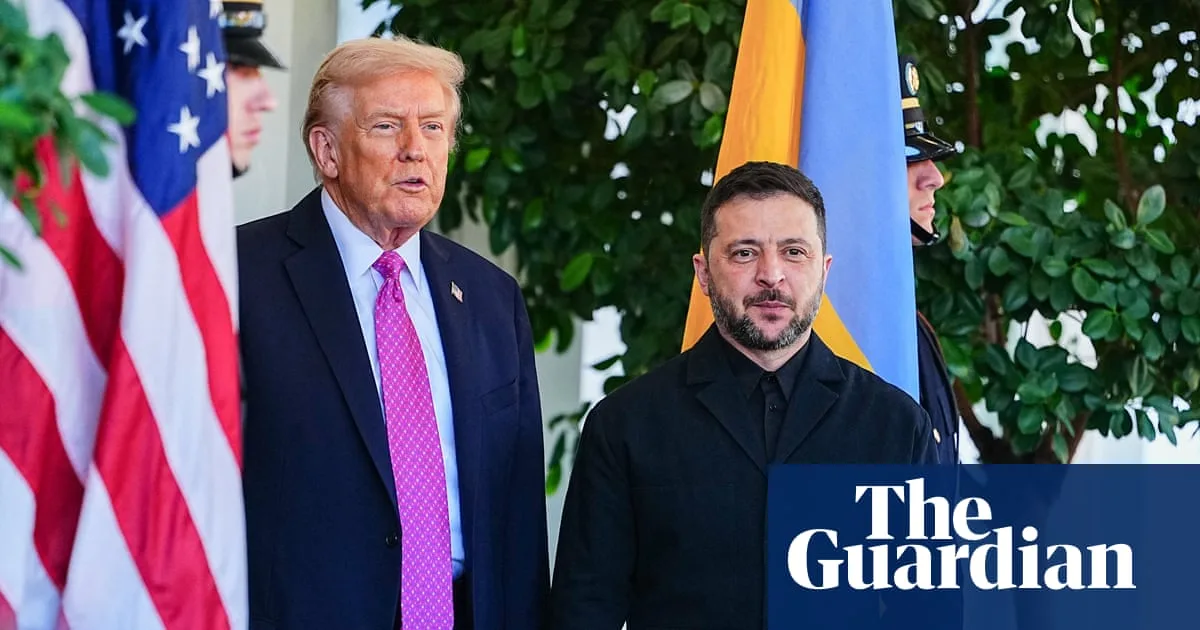
European governments are confronting a critical juncture as leaked US-backed proposals for ending Russia's war in Ukraine appear heavily skewed in Moscow's favour. The 28-point plan, reportedly so slanted that some suspect Kremlin involvement, would freeze battle lines, require Kyiv to cede territory it still controls, curb its army size, grant amnesty for Russian atrocities, and bar Ukraine from NATO. President Zelenskyy described the terms as leaving Ukraine facing one of its most difficult moments.
Donald Trump gave Ukraine an ultimatum to accept the plan by Thanksgiving or risk losing US military and intelligence support, though he later softened his language after emergency talks in Geneva. European nations, including France, Germany, and the UK, helped push back, potentially improving the deal's terms. However, analysts warn that Moscow sees no problem continuing the war and may not accept any plan short of Ukrainian capitulation.
Europe's leverage may hinge on a controversial EU proposal for a €140bn 'reparations loan' for Ukraine, secured against frozen Russian central bank assets held in Belgium. The plan could transform Ukraine's finances but requires urgent EU decisions. Meanwhile, Brussels suspects Russia's economy is weaker than admitted, bolstered by measures like a new EU ban on Russian gas imports.
Experts urge Europe to assert itself more forcefully. 'Europeans complain about not being at the table, but they have agency,' said Jana Kobzova of the European Council for Foreign Relations. 'They can put their foot in the door and say these are the things that we are not going to tolerate.' With the US and Russia potentially cutting a deal, Europe's own security is at stake if an unjust peace rewards Putin and undermines continental stability.




