Pope Leo Condemns War-Mongering Leaders in Scathing Palm Sunday Homily
Pope Leo Condemns War-Mongering Leaders in Palm Sunday Message

Pope Leo Delivers Forceful Palm Sunday Message Condemning War-Mongering Leaders

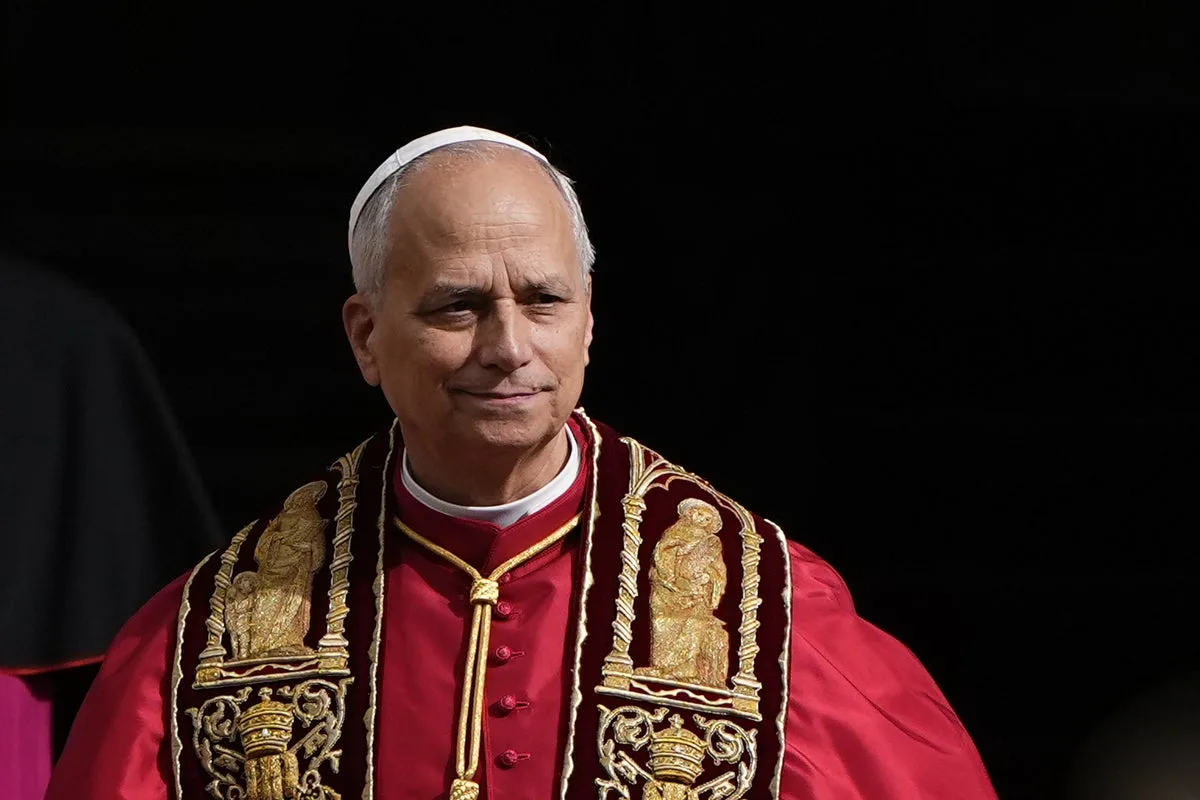
Pope Leo, the first U.S. pontiff, delivered a scathing and forceful message on Palm Sunday, directly stating that God rejects the prayers of leaders who initiate wars and possess "hands full of blood." Speaking to tens of thousands of faithful gathered in St. Peter's Square to mark the start of the holiest week of the Christian calendar, the pontiff asserted that Jesus cannot be invoked to justify any form of warfare.

Biblical Rebuke Against Justifying Conflict

"This is our God: Jesus, King of Peace, who rejects war, whom no one can use to justify war," Pope Leo told the massive crowd. He emphasized that Jesus "does not listen to the prayers of those who wage war, but rejects them, saying: 'Even though you make many prayers, I will not listen: your hands are full of blood'." This direct citation from the Bible served as a stark rebuke against using religious faith to sanction military actions.

Context of Pentagon Remarks and Ongoing Iran Conflict

The pontiff's message arrives in the wake of controversial remarks made by U.S. Defense Secretary Pete Hegseth. During a Christian worship service held at the Pentagon just days prior, Hegseth prayed for "every round to find its mark" against American adversaries, a statement that has drawn significant criticism and raised ethical questions.

Wide Pickt banner — collaborative shopping lists app for Telegram, phone mockup with grocery list

Concurrently, the conflict in Iran has now entered its second grueling month. Pope Leo has previously called for an immediate ceasefire in the region and has strongly condemned indiscriminate military airstrikes that endanger civilian lives. His Palm Sunday homily appears to be a continuation and intensification of his diplomatic and moral stance against the violence.

A Pontiff's Moral Authority in Global Politics

As the first American pope, Leo's words carry considerable weight in international discourse, particularly concerning U.S. foreign policy. His unequivocal condemnation serves as a powerful reminder of the Catholic Church's longstanding position on peace and the ethical responsibilities of those in power. The message underscores a clear theological boundary: faith must not be weaponized to endorse bloodshed.

The timing of this address, during the solemn observances of Holy Week, amplifies its significance, framing the critique not just as political commentary but as a core spiritual teaching for billions of Catholics worldwide.

Pickt after-article banner — collaborative shopping lists app with family illustration