Pope Leo XIV Advocates for Peace Amid Escalating Iran Conflict
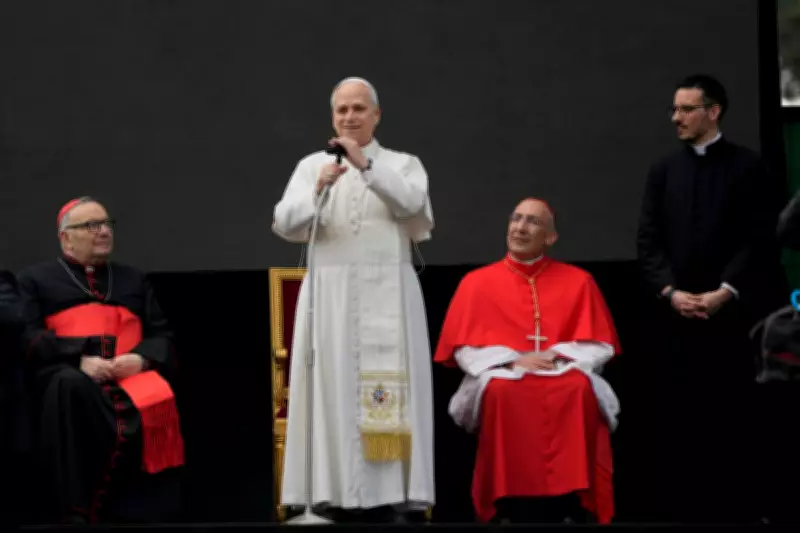
Pope Leo XIV has issued a renewed appeal for an immediate cessation of hostilities in the ongoing US-Israeli military engagement in Iran. The pontiff expressed profound sorrow for the loss of life, particularly among innocent children, as the conflict enters a critical phase. Vatican spokesman Matteo Bruni released an after-hours statement confirming the pope's deep concern and his prayers for a swift resolution to the violence.
Vatican Maintains Diplomatic Neutrality While Bishops Voice Strong Opposition
While Pope Leo XIV has consistently emphasized dialogue and diplomacy in his public statements, carefully avoiding inflammatory rhetoric, senior clergy within the Catholic Church have adopted a more confrontational stance. Cardinal Robert McElroy, Archbishop of Washington, delivered a scathing assessment, declaring that the United States and Israel failed to meet the essential moral criteria for a just war. McElroy argued that the absence of an imminent threat, unclear strategic objectives, and the disproportionate risk of catastrophic harm rendered the military intervention illegitimate under Catholic teaching.
Cardinal Blase Cupich, Archbishop of Chicago, launched a fierce critique of the US government's portrayal of the conflict on social media. He condemned the integration of action movie clips with real combat footage, accusing officials of treating the profound suffering of the Iranian people as trivial entertainment akin to a video game. This sensationalist approach, Cupich asserted, dangerously detaches the public from the grim realities of warfare.

Global Church Leaders Echo Concerns Over Dehumanizing Warfare
The criticism extends beyond American borders. Filipino Cardinal Pablo Virgilio David, vice president of the Federation of Asian Bishops' Conferences, highlighted the alarming detachment fostered by modern military technology. He described operators in distant command centers engaging with conflicts through sterile interfaces—clicking cursors on screens to launch missiles—a process that reduces human tragedy to abstract, game-like interactions.
Despite the Vatican's longstanding tradition of diplomatic neutrality, its leadership has explicitly rejected the Trump administration's rationale for a preventive war against Iran. Cardinal Pietro Parolin, the Vatican Secretary of State, warned that endorsing such a doctrine without a robust international legal framework could ignite global conflagration.
Navigating Complex Diplomatic Relations in a Time of Crisis
The Vatican's newly appointed ambassador to the United States, Archbishop Gabriele Caccia, faces the formidable task of articulating the Holy See's position while managing delicate relations with both the US episcopal conference and the White House. Vatican analyst Massimo Faggioli noted that Caccia must navigate a unique tension between the Vatican under Pope Leo XIV—the first American pontiff—and a US administration employing nationalistic and religious rhetoric to justify military action.
The pope's muted appeals for peace contrast sharply with the forceful condemnations from his cardinals, revealing a strategic division within the Church's response. This internal dynamic underscores the broader challenge of advocating for diplomacy in a conflict increasingly framed in ideological and religious terms by political leaders.