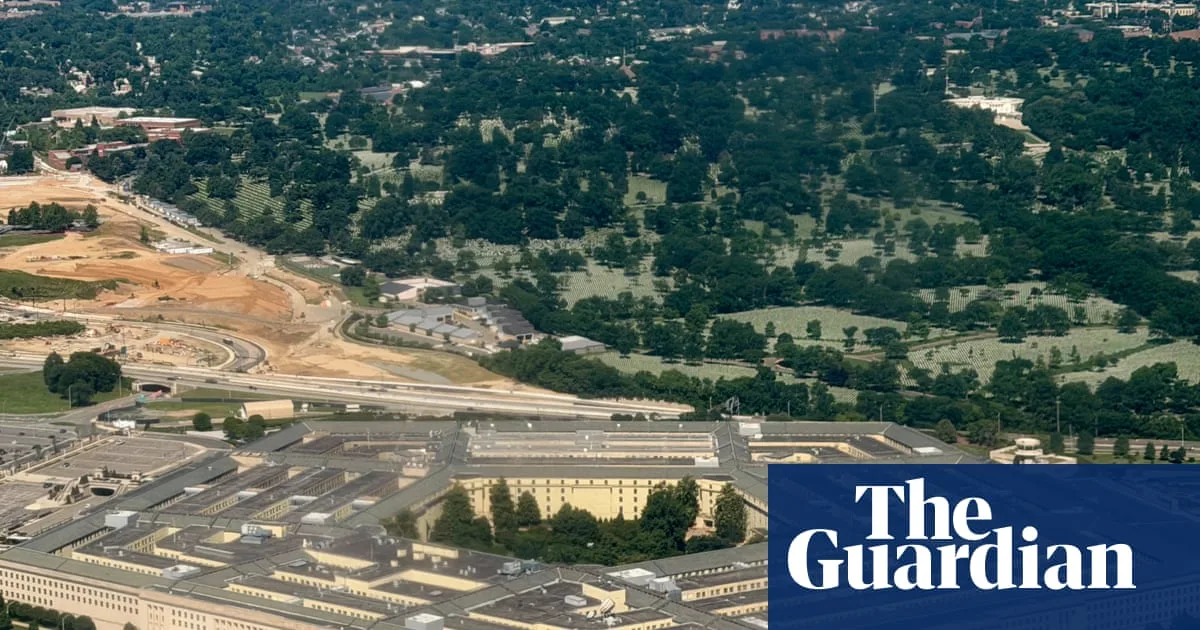
Pentagon to Relocate Media Offices and Issue New Credentials After Court Ruling
Pentagon Moves Media Offices After Court Ruling on Press Access

The United States Department of Defense has announced a significant restructuring of its media operations, confirming it will issue new press credentials while simultaneously removing journalist offices from within the Pentagon building itself. This major policy shift comes directly in response to a federal court ruling that found previous restrictions on reporter access to be unlawful.

Court Ruling Forces Pentagon's Hand

This substantial change follows a judicial decision by U.S. District Judge Paul Friedman in Washington, D.C., who ruled last week that the Pentagon's credentialing policy illegally restricted press access for reporters who declined to accept new rules. The judge specifically sided with The New York Times in their lawsuit against the Defense Department, which argued that the policy violated constitutional protections for free speech and due process.

New Media Annex Announced

Pentagon spokesperson Sean Parnell detailed the new arrangements, revealing that journalists will now operate from what he described as an "annex" facility situated on Pentagon grounds but located outside the main building structure. Parnell stated this new workspace "will be available when ready," though he provided no specific timeline for when this transition will be fully completed.

Wide Pickt banner — collaborative shopping lists app for Telegram, phone mockup with grocery list

Parnell made clear the Defense Department's position on the court decision, stating unequivocally that the agency disagrees with the ruling and fully intends to pursue an appeal through the judicial system. Despite this planned appeal, the Pentagon is proceeding with the operational changes mandated by the court's findings.

Continued Access with Restrictions

Journalists will maintain some level of access to the Pentagon building itself for scheduled press conferences and interviews that are arranged through the department's public affairs team. However, Parnell confirmed that reporters entering the main building will now be required to have escorts at all times, a significant change from previous protocols that allowed more independent movement within the facility.

Background of the Legal Challenge

The New York Times initiated legal action against the Pentagon and Defense Secretary Pete Hegseth in December, challenging what they characterized as unconstitutional restrictions on journalistic access. The lawsuit specifically targeted credentialing policies that the newspaper argued improperly limited reporters' ability to cover military affairs and defense matters.

The current Pentagon press corps composition has become increasingly notable, with most participating outlets representing conservative media organizations that agreed to the previous policy terms. Meanwhile, reporters from outlets that refused to consent to the rules—including journalists from The Associated Press—have continued their military coverage despite the access limitations.

Broader Legal Context

Separately, The Associated Press awaits a decision from a three-judge panel of the U.S. District Court of Appeals regarding its own lawsuit against the administration of President Donald Trump. The AP contends that Trump's White House team retaliated against the news organization by deliberately reducing its access to presidential events, allegedly because the outlet declined to follow the administration's lead in renaming the Gulf of Mexico.

This Pentagon media policy change represents a significant development in the ongoing tension between government institutions and press organizations regarding access and transparency. The relocation of media offices outside the main Pentagon building, coupled with new credentialing procedures and escort requirements, will fundamentally alter how journalists cover defense matters in the nation's capital.

Pickt after-article banner — collaborative shopping lists app with family illustration




