Pentagon Officials Contradict Trump's Claims of Imminent Iranian Threat
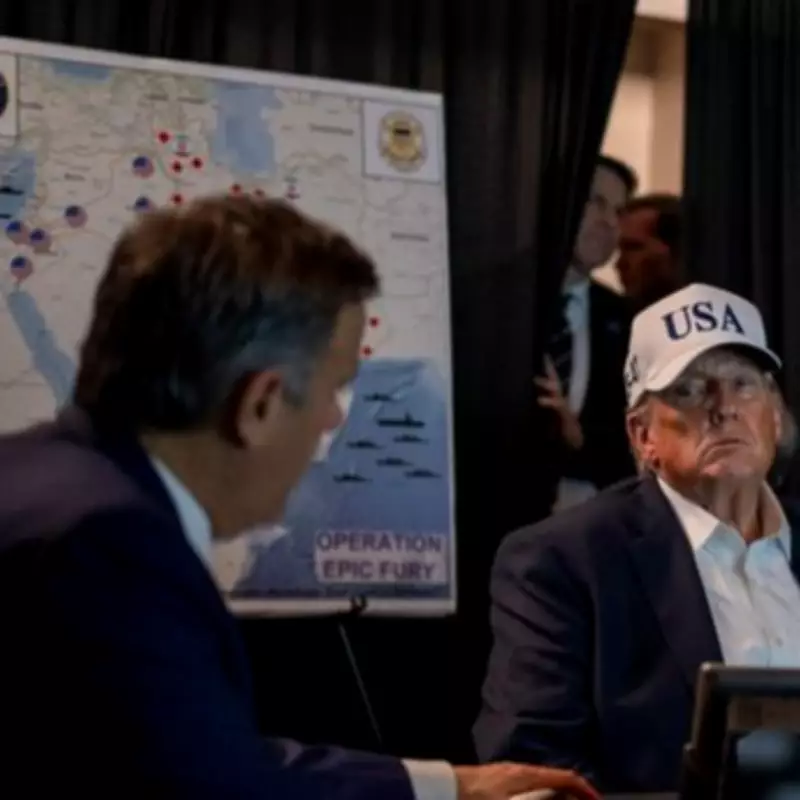
In a closed-door briefing to congressional staff on Sunday, Pentagon officials explicitly stated there was no evidence Iran was planning a pre-emptive strike against US forces or bases in the region. This disclosure directly undermines President Donald Trump's justification for launching joint military action with Israel, casting fresh doubt on the decision that has already resulted in American casualties and escalated tensions in the Middle East.
Contradictory Intelligence Assessments Emerge
According to multiple reports, including from Politico, attendees of the briefing confirmed that no clear evidence of an imminent Iranian attack was presented. This stands in stark contrast to White House statements issued just a day earlier, which claimed Washington had received indications Tehran was preparing missile strikes against US bases. The Pentagon's account appears to significantly weaken the sense of immediate peril that President Trump described when announcing the assault.
Trump had asserted that the Iranian regime was developing missiles that "could soon reach the American homeland," yet a US Defence Intelligence Agency assessment from last year concluded Iran was years away from possessing intercontinental ballistic missiles (ICBMs) required to strike the United States. That assessment found no intelligence suggesting Iran was actively working on an ICBM programme at the time of the strikes.

Long-standing Capabilities Versus Imminent Threat
During the briefing, officials pointed to Iran's existing ballistic missile arsenal and its network of proxy forces across the region as evidence of an enduring threat. However, these capabilities have been in place for years and were not presented as proof of an imminent strike requiring urgent military action. This distinction raises critical questions about the timing and necessity of the US-led attacks.
Sources familiar with the meeting noted that officials also failed to outline what would follow inside Iran after the bombing, an omission likely to intensify concerns about whether Washington has a coherent strategy beyond the initial wave of attacks. "The briefing raised serious additional concerns, as the president has yet to clearly explain his reasoning, set out his justification or detail what the plan is as this military operation moves forward," one source revealed.
Historical Context and Political Fallout
For critics, this episode follows a long-established pattern. For over three decades, Israeli Prime Minister Benjamin Netanyahu has repeatedly warned that Iran was only weeks away from acquiring a nuclear bomb, predictions that have consistently proved premature. Yet, the language of imminent existential danger has remained a constant feature in calls for tougher action against Tehran.
Trump's decision to authorise missile attacks early on Saturday came despite his previous self-styling as the "Peace President" and promises of "no new wars." The strikes, conducted with Israel, resulted in the death of Iran's Supreme Leader, Ayatollah Ali Khamenei. Tehran has since responded with retaliatory attacks on US bases and allied targets across the Middle East, widening a confrontation that many fear could escalate further.
Human Cost and Ongoing Conflict
On Sunday, President Trump confirmed that three US soldiers had died since the operation began and acknowledged further casualties were likely. "As one nation, we grieve for the true American patriots who have made the ultimate sacrifice for our nation, even as we continue the righteous mission for which they gave their lives," Trump stated. He added that Pentagon projections suggested US casualties could be "quite a bit higher" than those already recorded, indicating the conflict may prolong.
White House spokesperson Anna Kelly insisted on Saturday: "President Trump is absolutely right to highlight the grave concern posed by Iran, a country that chants 'death to America,' possessing intercontinental ballistic missiles." However, the Pentagon's briefing to Congress suggests a significant disconnect between the administration's public justification and the intelligence assessments provided to lawmakers.

The disclosure has sparked protests and renewed scrutiny over the basis for military engagement, with many questioning whether the decision was grounded in verifiable threat assessments or political rhetoric.