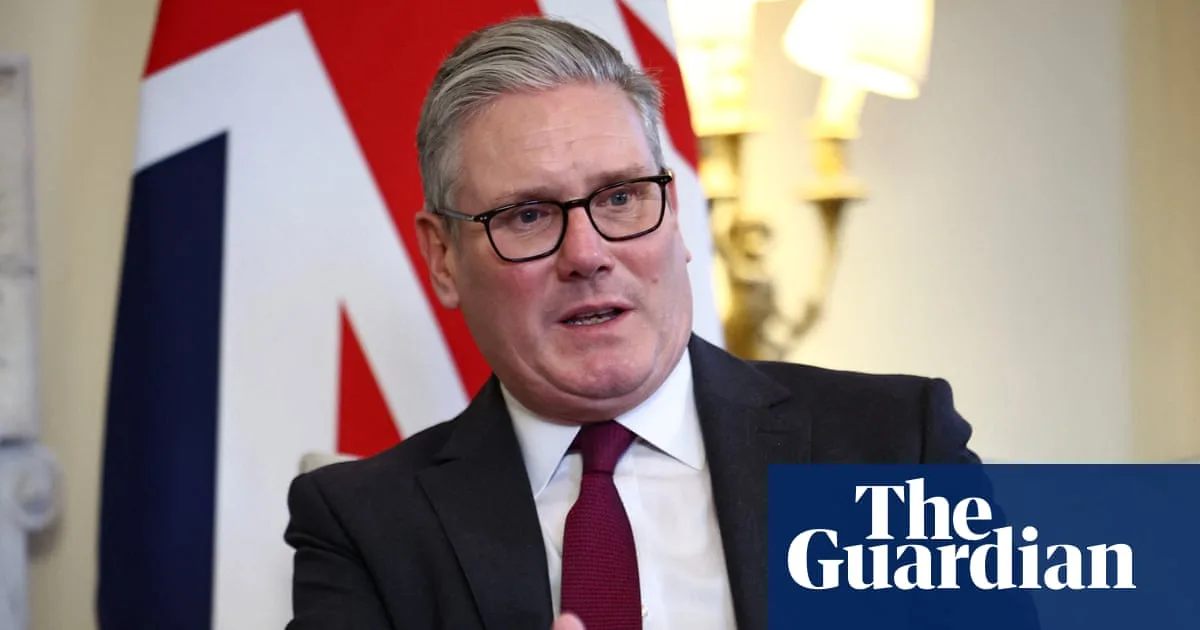
Prime Minister Sir Keir Starmer has arrived in Beijing for the first visit by a UK leader to China in eight years, facing pressure to raise human rights issues including the case of jailed Hong Kong publisher Jimmy Lai. Starmer said he would 'raise the issues that need to be raised' with President Xi Jinping, but rights groups and political opponents have called for stronger action.
Lai, a British citizen, was convicted under Hong Kong's national security law in a case the UK views as politically motivated. His son Sebastien told the BBC his father is 'not well', suffering from diabetes and heart issues, and urged Starmer to attach conditions to any talks. Former security minister Tom Tugendhat criticised Starmer for not securing Lai's release before the trip, saying he had 'shown the Chinese emperor all of his cards'.
Starmer may also discuss the treatment of Uyghurs in Xinjiang, which Labour previously considered recognising as genocide. Downing Street said the PM would maintain 'guardrails' on national security and not trade principles for economic deals. Yvette Cooper, the foreign secretary, has already called for Lai's immediate release and summoned the Chinese ambassador.
Human Rights Watch UK director Yasmine Ahmed urged Starmer not to 'abandon principle in pursuit of profit', warning that failing to press for Lai's release could weaken Britain's standing and leave it vulnerable to economic pressure. Starmer dismissed concerns about Chinese spying on his operation, saying there was 'no evidence' of that and that security measures were robust.