
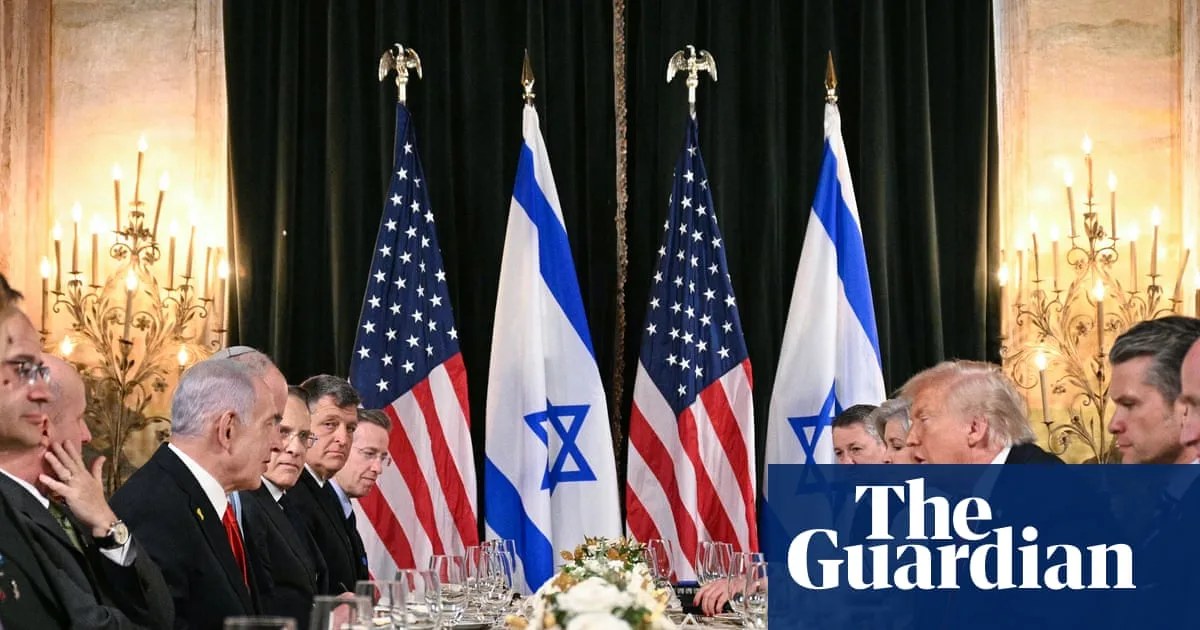
Donald Trump’s so-called “Board of Peace”, initially presented as a temporary mechanism to oversee Gaza’s reconstruction, is quietly evolving into a permanent system of external control, raising urgent questions about Palestinian governance and the path to statehood.
The board, chaired by Trump himself, is now being positioned as a standing global body operating in parallel to the United Nations. Under the new charter, the chair sets the agenda, calls meetings at will and can issue resolutions unilaterally. More than 60 world leaders have been invited to participate, with membership costing $1bn for those wanting to stay beyond three years.
Despite a ceasefire announced in October, Israel has killed 464 Palestinians since then. The board’s transformation has alarmed diplomats, who believed they were signing up to a narrow mechanism to lend UN legitimacy to a Trump-brokered ceasefire. Instead, the plan now resembles an experiment in executive control, with Gaza as its first testing ground.
Palestinian-American historian Rashid Khalidi described the development as a return to “naked imperialism”, noting that the masks are being dropped. “If you go back to 19th-century South Africa, you had the mining magnates dictating British policy. Today, it’s the investments in oil and the billionaires who are driving it,” he said.
The shift undermines prospects for Palestinian self-determination, as the board’s permanent authority could sideline Palestinian institutions. European and Arab diplomats previously accepted the board as a temporary price for peace, but its growing scope now threatens to entrench external control indefinitely.




