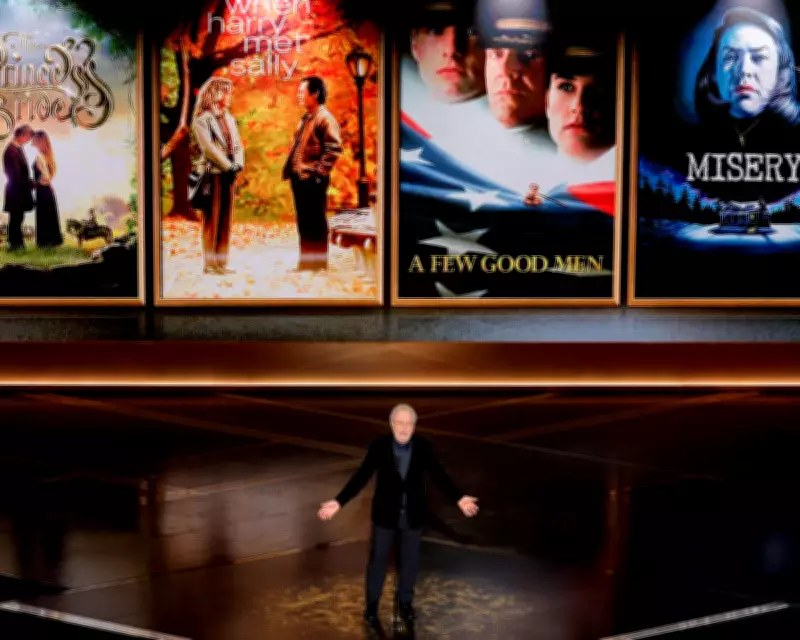
Oscars In Memoriam Segment Faces Annual Scrutiny Over Omissions
The Oscars in memoriam segment, a tradition introduced in 1994, consistently draws criticism for omitting notable figures from the film industry. This year, the absence of stars such as Brigitte Bardot, James Van Der Beek, Malcolm-Jamal Warner, and Bollywood actor Dharmendra sparked significant outrage on social media, highlighting the perennial debate over who deserves inclusion.
Painstaking Selection Process Behind the Scenes
Critics often accuse the Academy of forgetfulness or neglect, but the reality involves a meticulous committee process. Bruce Davis, former executive director of the Academy of Motion Picture Arts and Sciences, described it as "agonising," with hundreds of names whittled down to around 30 final selections. This year, the segment featured 34 names, alongside standalone tributes to Rob Reiner and Michele Singer Reiner by Billy Crystal, and celebrations of Claudia Cardinale, Catherine O’Hara, and Diane Keaton by Rachel McAdams.
Controversial Omissions and Personal Conduct
Bardot's omission is particularly complex due to her controversial later years in France, where she faced convictions for inciting racial hatred and was booed at the Cesar awards. Speculation suggests the Academy may have excluded her to avoid a negative reaction. Similarly, Alain Delon was omitted last year, with reports citing his "bad boy behaviour" and accusations of homophobic, misogynistic, and racist statements as factors.

Space Constraints and Industry Diversity
With limited time and numerous industry deaths annually, space is a primary concern. The segment must accommodate not only actors and directors but also less public-facing roles like casting directors and producers. For instance, Giorgio Armani was included this year for his design work in films such as The Untouchables and American Gigolo.
Qualification Debates and Arbitrary Decisions
Figures better known for work in other entertainment sectors, such as Van Der Beek from Dawson’s Creek or Warner from The Cosby Show, are often omitted, as the Academy prioritises cinema-specific contributions. However, decisions can feel arbitrary, as seen in 2010 when Farrah Fawcett was excluded despite 15 film roles, while Michael Jackson, with limited film involvement, was included.
Future Outlook and Producer Advice
Next year will likely bring similar controversies, as the selection process inherently disappoints some. Gilbert Cates, who introduced the segment in 1994, advised Oscar producers to "do what you want," acknowledging that criticism is inevitable. The ongoing debate underscores the challenges of honouring a diverse industry within a brief televised tribute.