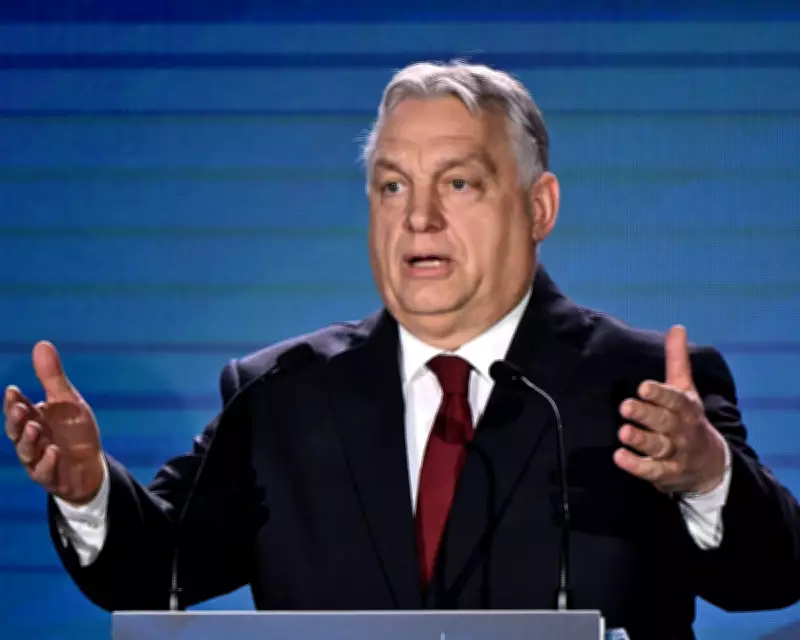
EU Leaders Confront Orbán Over Ukraine Loan Blockade at Brussels Summit
Hungarian Prime Minister Viktor Orbán is set to face mounting pressure from fellow European Union leaders at a critical summit in Brussels, as his last-minute veto of a vital €90bn loan for Ukraine has ignited widespread fury across the bloc. The dispute centres on Orbán's demand for repairs to the Soviet-era Druzhba oil pipeline, which supplies Hungary with Russian oil via Ukraine, before he will release the funds.
Orbán Digs In as Zelenskyy Appeals for Resolution
With elections looming next month in Hungary, Orbán shows no signs of backing down from his hardline stance. In a video message, he declared, "If there is no oil, there is no money," directly linking the loan approval to the restoration of the Druzhba pipeline, which Kyiv claims was damaged by a Russian airstrike. This position was reiterated to European Council President António Costa, with Orbán stating that Ukraine's President Volodymyr Zelenskyy must reopen the pipeline to receive the Brussels funds.
Zelenskyy, during a visit to Madrid, urged EU leaders to uphold their promise of the €90bn loan, essential for military supplies and budget support. He emphasised that Ukraine is undertaking all possible efforts to repair the pipeline, hoping for a swift resolution to the impasse.

EU Diplomats Decry Hungarian Veto as Blackmail
The blockade has infuriated other EU members, particularly as Orbán initially agreed to the funding deal in December, provided Hungary did not participate financially. Alongside Slovakia, Hungary secured a temporary exemption from the EU's ban on Russian oil imports, making them the only beneficiaries of the Druzhba pipeline within the bloc. EU diplomats have expressed frustration, with one senior official insisting, "A deal is a deal. So no plan B, no plan C, no plan D. This [€90bn loan] is what needs to happen." Another diplomat condemned the move as blackmail, noting that criticism of Hungary's government is becoming increasingly open.
An EU official reported that Costa conveyed a clear message to Orbán in a phone call, expecting him to respect prior commitments. Despite scepticism about Orbán backing down before elections, a leaked draft communique indicates EU leaders anticipate the first loan disbursement by early April.
Broader Implications: Sanctions and Electoral Dynamics
Beyond the loan, Hungary and Slovakia are also blocking the EU's 20th round of sanctions against Russia, intended to mark the fourth anniversary of the invasion of Ukraine. Orbán, facing his toughest electoral challenge in 16 years from rival Péter Magyar, is leveraging the Ukraine dispute to rally support. Polls show Magyar leading by up to 20 points, adding urgency to Orbán's political manoeuvres.
The European Commission has offered EU funds and technical support to restore the oil flow, a move criticised as contradictory given the bloc's goal to phase out Russian oil by 2027. Latvian MEP Rihards Kols described the policy as "delusional," highlighting the irony of repairing a Russia-bombed pipeline to aid a country blocking Ukraine aid.
Summit Agenda Overshadowed by Multiple Crises
Thursday's summit, originally focused on boosting EU competitiveness against the US and China, is likely to be dominated by the Hungary-Ukraine dispute and the war in the Middle East. EU leaders are expected to call for de-escalation in the Middle East, condemning Iran's military strikes and expressing concern over hostilities in Lebanon, without direct reference to the US or Israel's roles.
Spanish Prime Minister Pedro Sánchez, standing with Zelenskyy, reaffirmed unwavering support for Ukraine despite the Middle East crisis, stating, "Nothing and no one will make us forget what is happening in Ukraine." As tensions escalate, the outcome of this summit could significantly impact EU unity and its response to global conflicts.