A New Zealand doctor has taken an unconventional stand against rising fuel prices by sending the United States embassy in Wellington an invoice for thousands of dollars. Dr Shane Dunphy, who runs the Onslow medical centre in the capital, is demanding reimbursement for petrol vouchers provided to his staff, citing the energy crisis triggered by US-Israeli attacks on Iran as the direct cause.
Principle Over Payment
In a letter dated 27 March, Dr Dunphy articulated his reasoning with stark clarity. He stated that the clinic had been forced to issue petrol vouchers to ensure staff could afford transport to work and support their families. "We now ask that the USA reimburse us the cost of these vouchers. The USA is responsible for this and therefore should be held accountable," he wrote. The invoice totals NZ$2,790.95, equivalent to approximately US$1,597.
Targeting Trump's Policies
Dunphy did not mince words in his critique of former President Donald Trump and his administration. He labelled the attack on Iran as "immoral and completely unjustified," and attributed the global economic turmoil to what he called an "avoidable war." His letter emphasised that no financial sum could compensate for the human suffering and loss of life he believes the US is responsible for. Yet, he insisted on this symbolic gesture as a matter of principle, urging other affected individuals and businesses to follow suit by submitting their own invoices.
New Zealand's Vulnerability
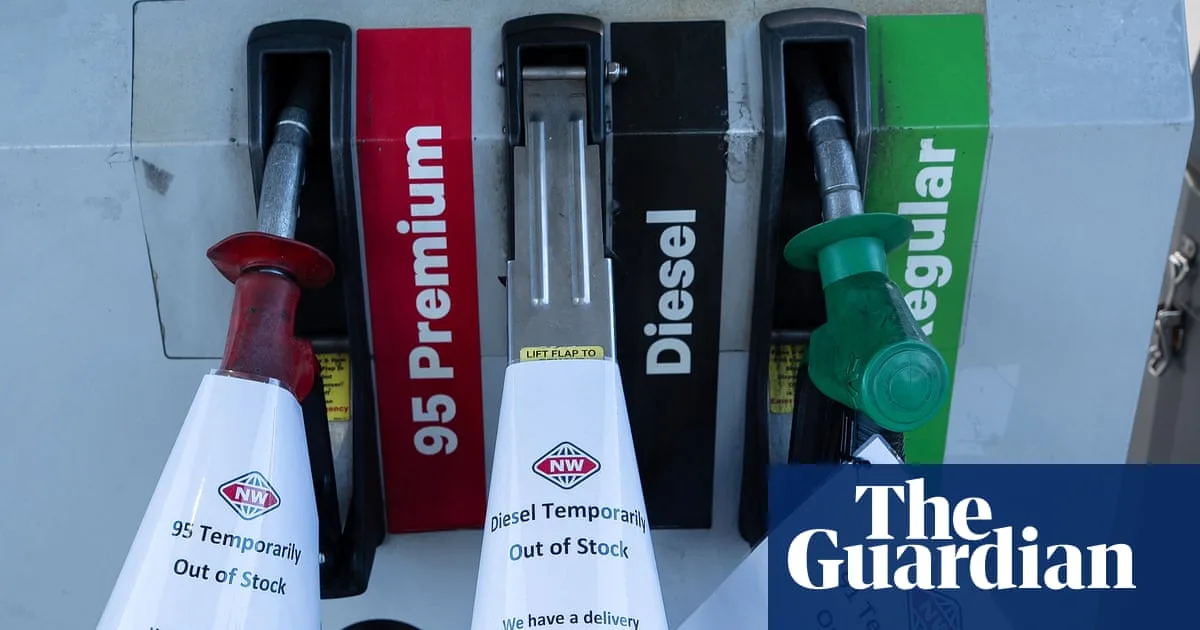
The energy crisis has hit New Zealand particularly hard due to its reliance on global trade and susceptibility to supply chain disruptions. Petrol prices have surged by up to 50 cents per litre, pushing the average cost of unleaded fuel above $3 per litre. This spike has placed significant strain on households and businesses alike, exacerbating financial pressures in a nation already grappling with economic challenges.
A Call for Global Accountability
In an interview, Dunphy expanded on his motivations, framing his action as a broader call for accountability. "If you break something, you should fix it," he asserted, challenging the international community to pressure the US to resolve the crisis. He also criticised nations, including New Zealand under Prime Minister Christopher Luxon, for failing to condemn the war, questioning their commitment to principled stands in global affairs.
Despite his firm stance, Dunphy expressed little expectation that the US embassy would actually pay the invoice. He described the move as a symbolic protest aimed at highlighting the far-reaching consequences of foreign policy decisions. The embassy has yet to issue a public response to the demand, which includes a seven-day payment deadline noted in the letter.
This incident underscores the tangible impacts of geopolitical conflicts on everyday life, from clinic operations to staff welfare. It reflects growing frustrations over how international actions can ripple through economies, affecting even remote nations like New Zealand. As fuel costs continue to climb, such personal protests may become more common, blending financial grievances with political activism in an increasingly interconnected world.






